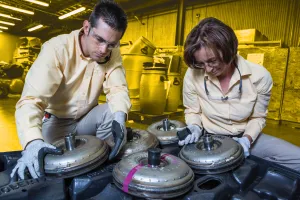
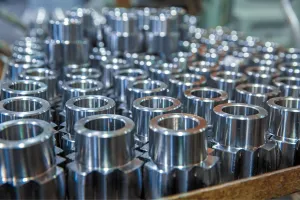
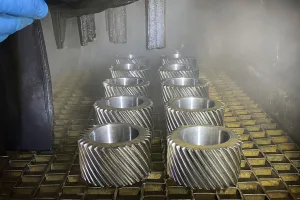
Drying metal parts before VCI packaging prevents flash rust and moisture entrapment.
When wet or warm parts are sealed:
- Trapped water can create localized corrosion cells
- Temperature changes can cause condensation inside the package
- Corrosion can start before VCI protection equilibrates
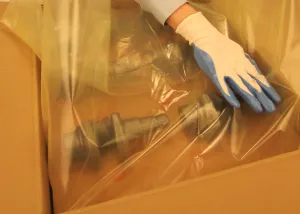
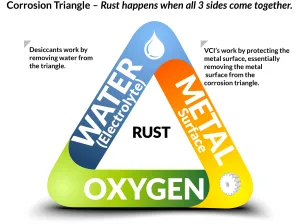
VCI works in the vapor phase. It protects metal surfaces inside an enclosed space. It does not absorb or displace bulk water. That is why proper surface preparation is critical.
Get Rust Under Control in 6 Straightforward Steps
If you are seeing flash rust or recurring corrosion, follow this practical checklist to reduce rust fast and improve packaging outcomes.
What Does “Surface Dry” Mean Before VCI Packaging?
Surface dry means:
- No visible droplets
- No sheen of liquid across the surface
- No trapped moisture in recesses or cavities
Microscopic humidity in the air is normal and expected inside sealed VCI packaging. The concern is free water on the metal surface.
If parts were recently washed or rinsed, allow sufficient drying time using:
- Air drying
- Forced air
- Warm air circulation
- Proper drainage of internal cavities
Risks of Packaging Wet Parts
If parts are not dry enough before VCI packaging, you may see:
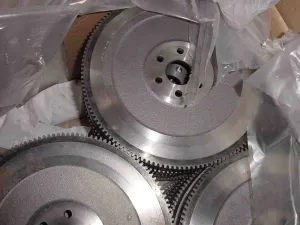
- Flash rust
- Rust spots near water droplets
- Corrosion in tight crevices
- Moisture staining
These issues are often incorrectly blamed on the VCI product. In reality, free moisture was sealed inside the package.
Best Practices for Drying Metal Parts Before VCI Packaging
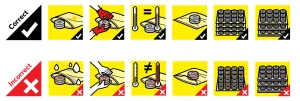
Follow this simple checklist:
- Rinse off machining fluids, salts, and contaminants
- Neutralize corrosive residues if needed
- Allow parts to fully drain
- Ensure parts are visibly dry
- Confirm parts are near ambient temperature
- Immediately seal in ZERUST® VCI packaging
In high-humidity or export conditions, consider combining VCI film with desiccants or corrosion-inhibiting rust-preventative liquids for additional protection.
Learn How to Use ZERUST® VCI Products Correctly
Proper application is critical for corrosion protection. Review step by step guidance to maximize VCI performance during storage and shipment.
Special Considerations for Humid or Export Environments
When shipping overseas or storing long-term:
- Avoid packaging hot parts that can create condensation
- Minimize empty air space in packaging
- Use properly sized VCI bags
- Seal the packaging tightly
ZERUST® VCI packaging works best in a controlled, enclosed environment. Managing moisture before sealing is the foundation of reliable corrosion protection.
Still Have Questions About Drying Parts Before VCI Packaging?
Every application is different. Contact ZERUST® for expert guidance on drying metal parts before VCI packaging and selecting the right corrosion protection solution for your process.
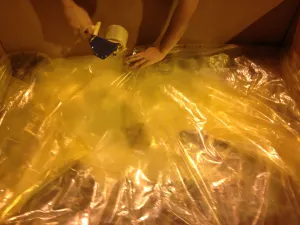
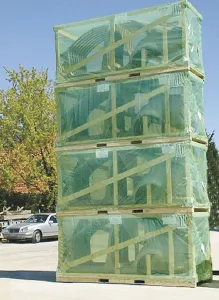
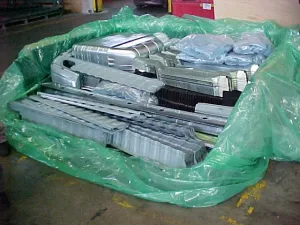
ICT®510-PCR30 Post-Consumer Recycled (PCR) VCI Film is a 30% recycled polyethylene film containing proven ZERUST® Vapor Corrosion Inhibitors (VCI), providing cost-effective and versatile protection against corrosion damage for metals in shipping and storage.
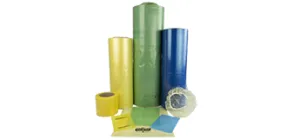
ICT®510-C VCI Film provides cost-effective and versatile protection against rust and corrosion damage for metal assets in shipping and storage. Additionally, it’s available in ferrous, non-ferrous, and multimetal formulations, as well as various-sized rolls, sheets, tubing, and bags.

ICT®510-C VCI Sheeting provides cost-effective and versatile protection against rust and corrosion damage for metal assets in shipping and storage. Additionally, it’s available in ferrous, non-ferrous, and multimetal formulations, as well as various-sized sheeting.

ICT® VCI Poly Bags provide convenient and proven protection against corrosion damage for metals in shipping and storage. In addition, they are available in ferrous, non-ferrous, anti-tarnish, and multimetal protection types and various zipper, flat, and gusseted sizes.

ICT®510-C VCI Tubing provides versatile protection against corrosion, as the tubing offers a tailored packaging solution for parts of various sizes or long metal assets metals in shipping, storage, and work-in-progress.
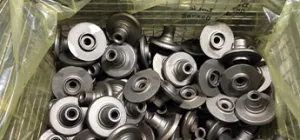
ICT®510C-AN VCI Film series are nitrite-free and non-amine formulated products ideal for protecting highly porous and powdered metals in corrosive environments or for metal types susceptible to flash corrosion.
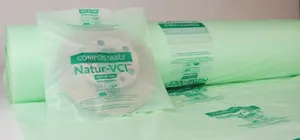
The Natur-VCI® series is an internationally certified, fully biodegradable, and compostable packaging material designed to protect against corrosion damage for metals in shipping, storage, and work-in-progress.
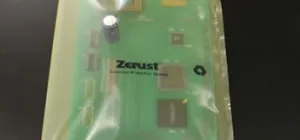
ICT®520-CB1 Anti-Tarnish Film protects silver, copper, bronze, brass, and tin from unsightly and damaging oxidation and tarnish, by blocking corrosion-causing acid gases before they reach and damage sensitive metal surfaces in shipping, storage, and work-in-progress.
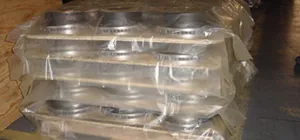
ICT®510-CLHD is a high density VCI Film that’s lightweight yet strong packaging solution. Furthermore, it’s specifically designed for interleaving, laminating, and serving as a superior alternative to VCI kraft paper during shipment, storage, or work-in-progress.
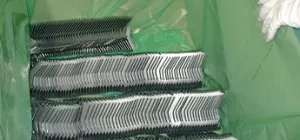
ICT®520-FD VCI Film is a flame-retardant and high-strength packaging solution, meeting the DIN 4102-1 B2 standard, while providing cost-effective and versatile corrosion protection for steel and galvanized steel during work-in-progress, shipping, and storage.

ICT®520-HS High-Strength VCI film is a lightweight and durable packaging solution that’s less likely to puncture or tear compared with traditional polyethylene film. Making it especially suited for applications that have demanding corrosion protection requirements during work-in-progress, shipping, and storage.
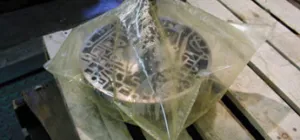
ICT®504-LM Moisture Limiting VCI Film reduces moisture from seeping through the package by lowering the water vapor transmission rate by 30%. As a result, it effectively protects against corrosion damage for metals in international shipments and long-term storage.
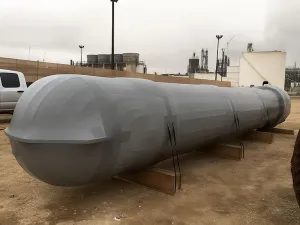
ICT®510-OPS VCI Shrink Film is an 8-mil, high-strength shrink film integrated with ZERUST® Vapor Corrosion Inhibitor (VCI) technology and UV stabilizers, designed specifically for the long-term outdoor preservation of large assets.
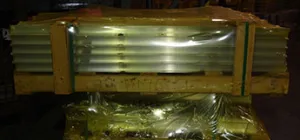
ICT®510-SRK Film is polyethylene shrink film impregnated with Vapor Corrosion Inhibitors that shrinks tightly around the item when subjected to heat, providing a contoured fit and VCI protection.

ICT®540-SDA Advanced VCI Film is a premium corrosion-inhibiting packaging product combining ZERUST® Vapor Corrosion Inhibitor (VCI) chemistry with unique oxygen and gas-blocking properties for use in extreme long-term storage and challenging conditions.