Determining whether your products require VCI protection is an important step in preventing corrosion during storage, handling, or shipment. The need for corrosion protection depends on several factors, including the type of metal, environmental exposure, storage duration, and how parts are packaged or moved through your operation.
The sections below explain how to evaluate corrosion risk and identify when VCI protection is appropriate.
Understanding When VCI Protection Is Needed
VCI is typically required when metal parts are exposed to conditions that promote corrosion. These conditions may not always be obvious, especially if corrosion occurs after shipment or extended storage.
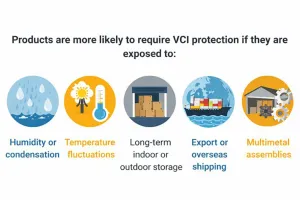
Products are more likely to require VCI protection if they are exposed to:
- Humidity or condensation
- Temperature fluctuations
- Long-term indoor or outdoor storage
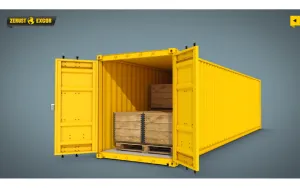
- Export or overseas shipping
- Warehousing without climate control
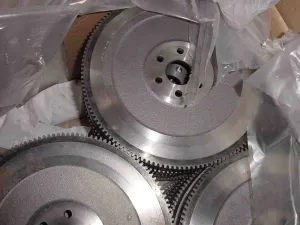
- Multimetal assemblies
If any of these conditions apply, evaluating the need for VCI protection is strongly recommended.
Evaluating Corrosion Risk in Your Application
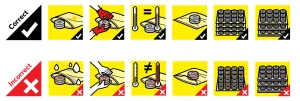
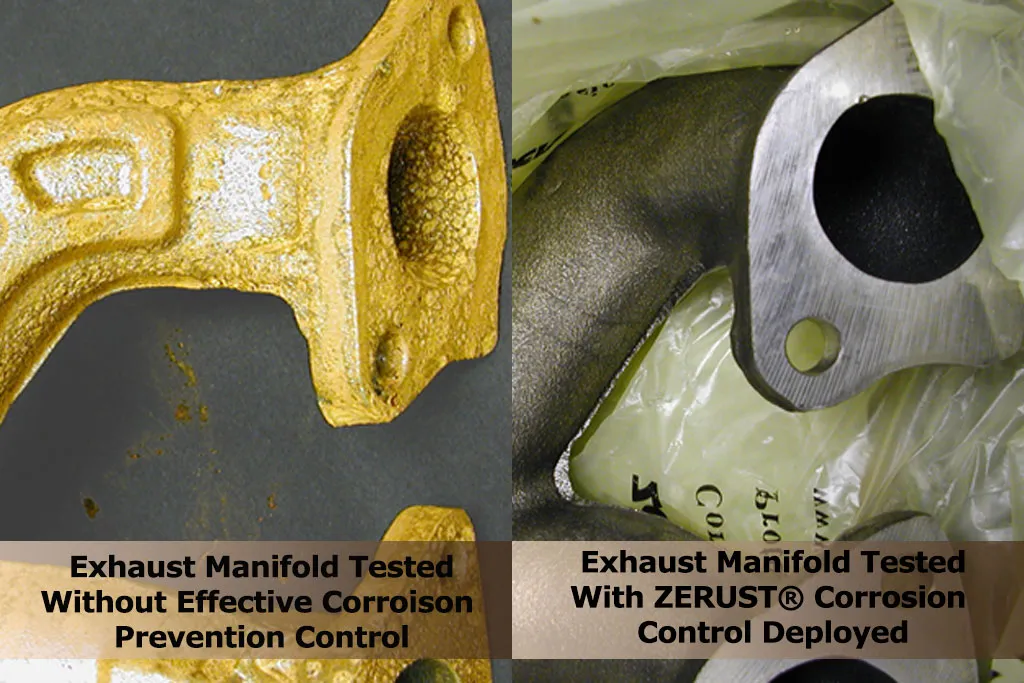
One of the most effective ways to determine whether your products require VCI protection is through side-by-side testing under real or simulated conditions.
A simple evaluation approach includes the following steps:
- Package two identical metal parts at the same time and under the same conditions.
- Use your current packaging method for one part.
- Use VCI packaging for the second part.
- Store both parts together in the most challenging environment they are likely to encounter, such as a high-humidity area or locations with temperature changes.
- Inspect both parts after several days.
If the part packaged without VCI shows corrosion while the VCI-protected part remains corrosion-free, this indicates that VCI is needed for your application.
Not Sure If Your Products Require VCI Protection?
ZERUST® corrosion specialists can help evaluate your materials, storage conditions,
and shipping environment to determine whether VCI protection is needed.
Why Environmental Conditions Matter
Environmental exposure plays a major role in determining whether VCI protection is required. Corrosion often accelerates when parts move between warm and cool areas, which can cause condensation to form on metal surfaces. This commonly occurs during shipping, warehouse transfers, or seasonal temperature changes.
As a result, components that appear stable in controlled environments may still require VCI when exposed to real-world conditions.
 Using Tests to Confirm VCI Protection Requirements
ZERUST®/EXCOR® offers testing capabilities that help identify the most effective corrosion protection method for specific metals and applications. These evaluations help determine whether VCI is required and which VCI format is most appropriate.
In addition, customers may request sample materials for in-house testing. This approach allows teams to validate VCI performance using their actual parts, packaging processes, and storage conditions.
Validate VCI for Your Application
Testing and side-by-side evaluations can confirm whether VCI protection is required
for your specific metals, packaging, and environmental conditions.
Getting Expert Guidance on VCI Protection
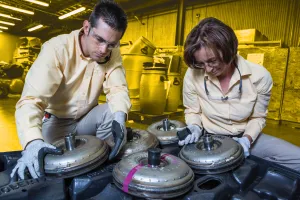
If you are unsure whether your products require VCI protection, consulting a corrosion specialist can help clarify your options. ZERUST®/EXCOR® representatives work with customers to evaluate corrosion risk, review environmental conditions, and recommend appropriate corrosion protection solutions.
By assessing your application early, you can reduce corrosion-related damage, avoid costly rework, and ensure metal parts remain protected throughout their lifecycle.

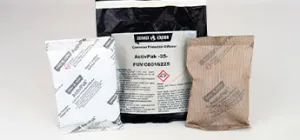
ActivPak® is a versatile and powerful fast-acting VCI sachet designed to address flash rust and corrosion concerns in demanding scenarios, including overseas shipping and polluted factory environments.
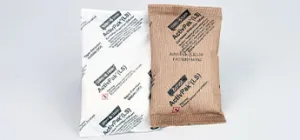
ActivPak®(LS) Flash Corrosion VCI Emitters offer fast-acting corrosion protection in challenging conditions, such as factories, marine environments, waste treatment facilities, and power plants.

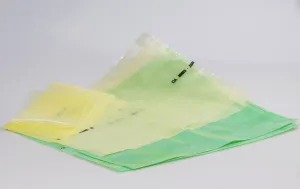
ICT® Flat VCI Poly Bags provide convenient and proven protection against corrosion damage for metals in shipping and storage. In addition, they are available in ferrous, non-ferrous, anti-tarnish, and multimetal protection types.

ICT® Gusset VCI Bags provide convenient and proven protection against corrosion damage for metals in shipping and storage. In addition, they are available in ferrous, non-ferrous, anti-tarnish, and multimetal protection types and gusseted sizes ranging from two inches up to 150 inches.

ICT® Open Cell VCI Foam Emitter Pads are a convenient way to provide added corrosion protection in packaging or an effective way to improve protection in demanding environments and on lightly contaminated parts.

ICT® Plastabs® are thin, light, rigid polyethylene VCI emitter plastic tabs that are made with ZERUST® Vapor Corrosion Inhibiting (VCI) technology. Their small, thin shape makes Plastabs® perfect for protecting critical surfaces within narrow or hard-to-reach areas of electronics or parts of equipment or as a supplement to other ZERUST® VCI packaging products for added protection.

ICT®510-C VCI Weapon Bags are specifically designed to protect weapons, including handguns, rifles, as well as accessories, against corrosion, dust, sand, and humidity damage in shipping, storage, and between operations.

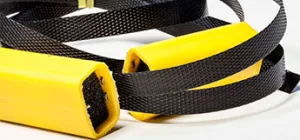
ICT® Tube Strip is a flexible hollow plastic VCI emitter tubing product containing ZERUST® Vapor Corrosion Inhibitor technology. They are used to protect narrow tubes, pipes, and other enclosed spaces from corrosion or as a supplement to other ZERUST® VCI packaging products for added protection.
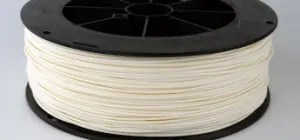
Tube Strip Pro is a flexible solid-core plastic product containing ZERUST® Vapor Corrosion Inhibitor (VCI) technology. The VCI tube is used to protect bolt thread holes, the interior of hollow car chassis frames, confined electronic spaces (such as inside computers, control boxes, etc.), tubes, pipes, gun barrels, and other enclosed spaces from corrosion or as a supplement to other ZERUST® VCI packaging products for added protection.

ICT® VCI Poly Bags provide convenient and proven protection against corrosion damage for metals in shipping and storage. In addition, they are available in ferrous, non-ferrous, anti-tarnish, and multimetal protection types and various zipper, flat, and gusseted sizes.

ICT® Zipper VCI Bags provide convenient and proven protection against corrosion damage for metals in shipping and storage. In addition, they are available in ferrous, non-ferrous, anti-tarnish, and multimetal protection types.

ICT®420-170 are acid-free, pH-neutral, and non-abrasive 170# VCI kraft paper sheets cut into 1” x 1” and 2″ x 2″ VCI chips. Additionally, their small, thin shape makes them perfect for protecting critical surfaces within narrow or hard-to-reach areas of parts or equipment or as a supplement to other ZERUST® VCI packaging products for added protection.

ICT®420-35P VCI Poly Kraft Paper is an acid-free, pH-neutral, and non-abrasive kraft paper coated with a one-mil thick ZERUST® ICT® polyethylene layer containing Vapor Corrosion Inhibitors (VCIs). As a result, providing the kraft paper with increased tear and moisture resistance, making it an efficient and cost-effective solution for the corrosion protection of ferrous metals during work-in-progress, shipping, and storage.

ICT®427 is an acid-free, pH-neutral, and non-abrasive premium VCI paper formulated to provide robust corrosion protection for demanding situations—such as high humidity and challenging metal parts during work-in-progress, shipping, and storage.

ICT®430-35SR VCI Scrim Paper is an acid-free, pH-neutral, and non-abrasive VCI kraft paper that’s scrim-reinforced (3/4 mil polyethylene layer and fiberglass scrim). As a result, providing effective corrosion protection with the convenience and affordability of a paper wrapping product with superior strength that avoids ripping and tearing during work-in-progress, shipping, and storage.

ICT®432-35P is an acid-free, pH-neutral, and non-abrasive VCI kraft paper coated with a 3/4 mil plain polyethylene layer. As a result, providing the kraft paper with increased tear and moisture resistance, making it an efficient and cost-effective solution for the corrosion protection of multiple metal types during work-in-progress, shipping, and storage.
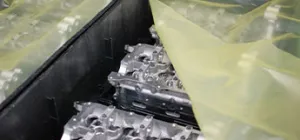
ICT®510-C Ferrous VCI Film provides cost-effective and targeted protection against rust damage for ferrous metals, such as steel, iron, and cast iron in shipping, storage, and work-in-progress.

ICT®510-C VCI Multimetal Film provides cost-effective and versatile protection against rust and corrosion damage for ferrous and non-ferrous metals in shipping, storage, and work-in-progress.

ICT®510-C Non-ferrous VCI Film provides cost-effective and versatile protection against corrosion damage for non-ferrous metals such as aluminum, copper, brass, and bronze, in shipping, storage, and work-in-progress.

ICT®510-C VCI Film provides cost-effective and versatile protection against rust and corrosion damage for metal assets in shipping and storage. Additionally, it’s available in ferrous, non-ferrous, and multimetal formulations, as well as various-sized rolls, sheets, tubing, and bags.

ICT®510-C VCI Sheeting provides cost-effective and versatile protection against rust and corrosion damage for metal assets in shipping and storage. Additionally, it’s available in ferrous, non-ferrous, and multimetal formulations, as well as various-sized sheeting.

ICT®510-C VCI Tubing provides versatile protection against corrosion, as the tubing offers a tailored packaging solution for parts of various sizes or long metal assets metals in shipping, storage, and work-in-progress.