
Page 3 of 7

Chloride Neutralization: Protecting Equipment from Salt-Induced Corrosion with ZERUST® AxxaVis™ HST-10 & Axxatec™ HST-20L
Equipment exposed to salt faces a major risk—corrosion. Industries such as mining, marine, and road maintenance often struggle with rust caused by chloride contamination. To combat this, ZERUST® AxxaVis™ HST-10 and Axxatec™ HST-20L offer powerful Chloride neutralization. These products remove corrosive salts, prevent rust, and extend equipment life. The Impact of Chloride Contamination on Equipment

Corrosion Prevention for Power Generation: Protecting Critical Equipment
Power generation facilities operate in harsh and demanding environments, making corrosion prevention for power generation a critical concern. Components in biomass energy plants, hydroelectric power plants, solar power energy systems, geothermal facilities, and wind power systems face continuous exposure to moisture, fluctuating temperatures, airborne contaminants, and harsh chemicals. If left unchecked, corrosion can lead to
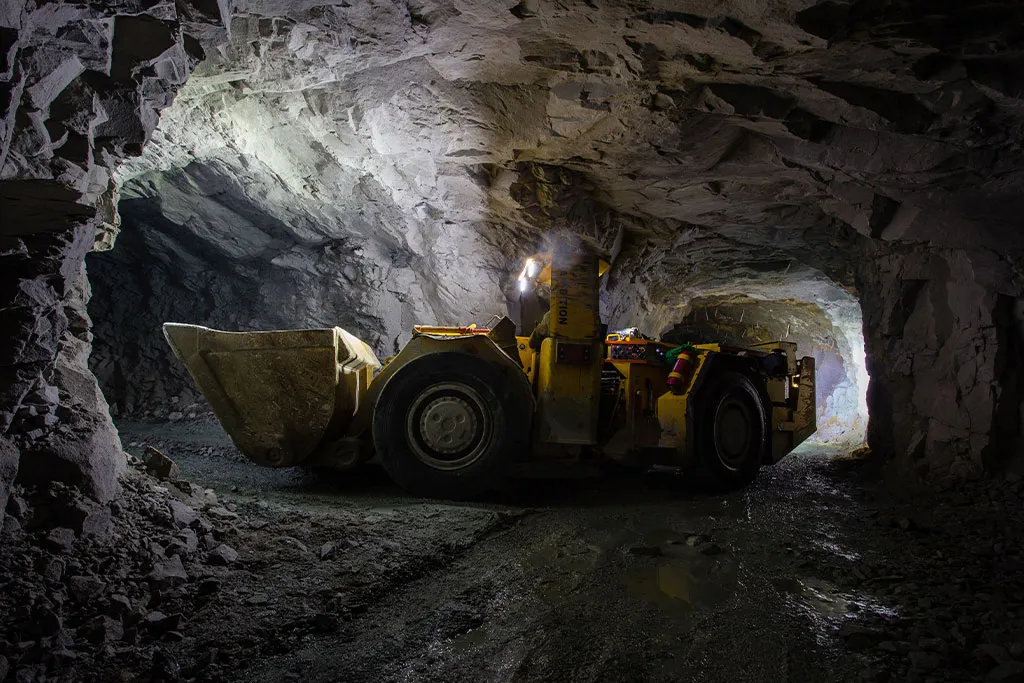
Addressing Corrosion Challenges in the Mining Industry with ZERUST® Solutions
The mining industry faces persistent challenges from corrosion, which is a natural degradation process exacerbated by harsh environments. Consequently, corrosion impacts equipment, safety, and profitability. Therefore, implementing proactive solutions is essential. In addition, this blog explores how ZERUST®’s corrosion prevention and remediation products address corrosion challenges in the mining industry. Corrosion Challenges in the Mining

Hydrostatic Pressure Testing vs. Pneumatic Pressure Testing: Choosing the Right Method for Your Pipeline
When evaluating the integrity and safety of pressurized systems, two widely used methods are pneumatic and hydrostatic pressure testing. For industries such as oil and gas, pipeline integrity is critical. Selecting the right method can ensure safety, accuracy, and cost-efficiency. This blog will focus on the benefits and challenges of each testing method, emphasizing the
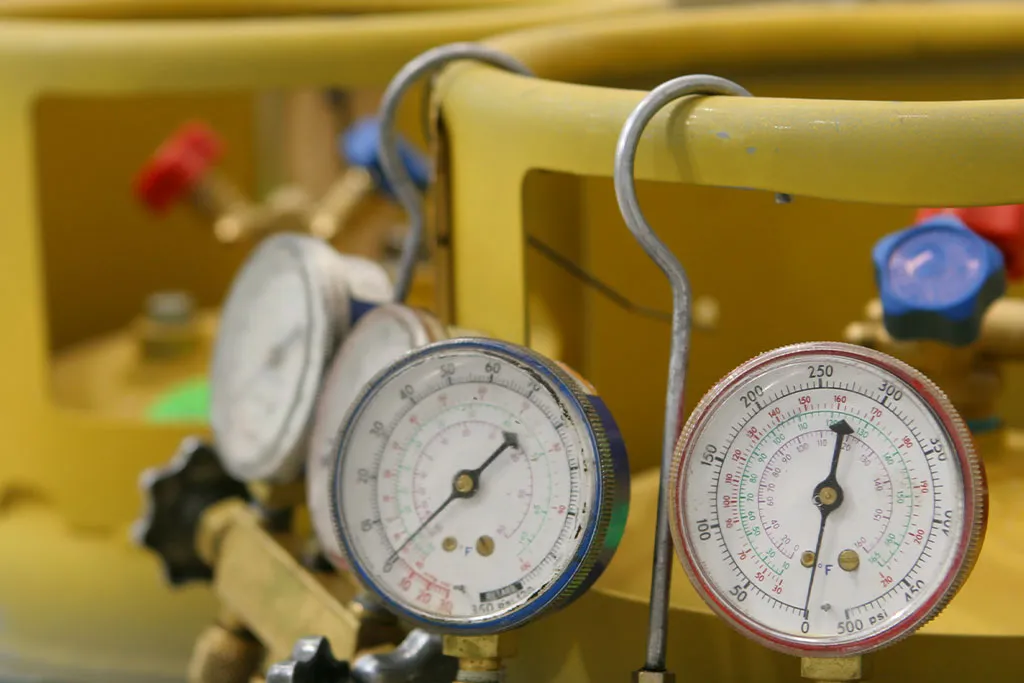
Comprehensive Guide to Hydrostatic Testing: Definition, Process, Advantages, and Corrosion Protection Solutions
What is Hydrostatic Testing? Hydrostatic testing is a technique used to verify the durability of pressure vessels, pipes, and other equipment, essential for detecting leaks and ensuring the structural integrity of these components. By filling items with water and pressurizing them, industries can ensure these assets will endure operational stresses. Purpose and Applications
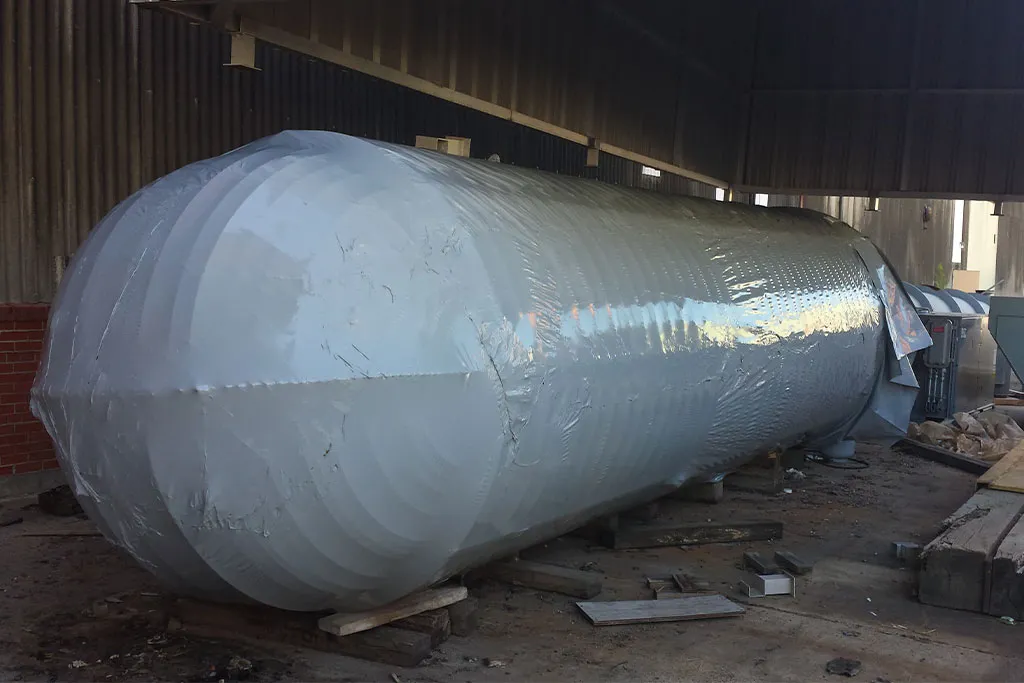
Comprehensive Guide to Heat Exchanger Corrosion Protection
Heat exchangers are critical components in various industries, responsible for transferring heat between fluids to regulate temperature and ensure efficient system operation. Despite their importance, these systems often operate in challenging environments where exposure to humidity, fluctuating temperatures, and corrosive chemicals can lead to significant corrosion. Corrosion issues are particularly prevalent during outdoor storage and

ZERUST® Leading the Way in Sustainable VCI Packaging with Post-Consumer Recycling
In a world where environmental consciousness is on the rise, companies are increasingly seeking innovative ways to reduce their carbon footprint and promote sustainability. One such approach that’s gaining traction is post-consumer recycling, and here at ZERUST®, we’re at the forefront of implementing this technology across our Vapor Corrosion Inhibitor (VCI) polymer packaging solutions. Furthermore,
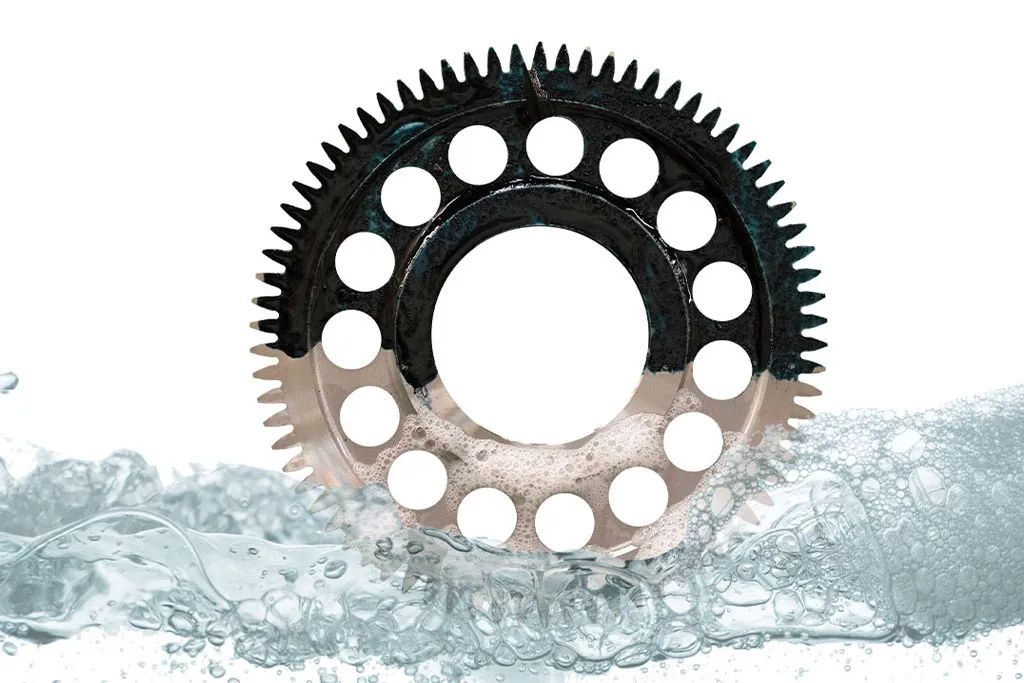
The Crucial Role of Industrial Cleaners & Degreasers in Manufacturing and Their Corrosion Risk
In manufacturing environments, cleanliness is essential for product quality and process reliability. However, with the use of degreasers corrosion can also become a concern if cleaning chemistry and process controls are not properly maintained. Industrial cleaners and degreasers remove oils, metalworking fluids, and contaminants that interfere with downstream operations. At the same time, poorly managed
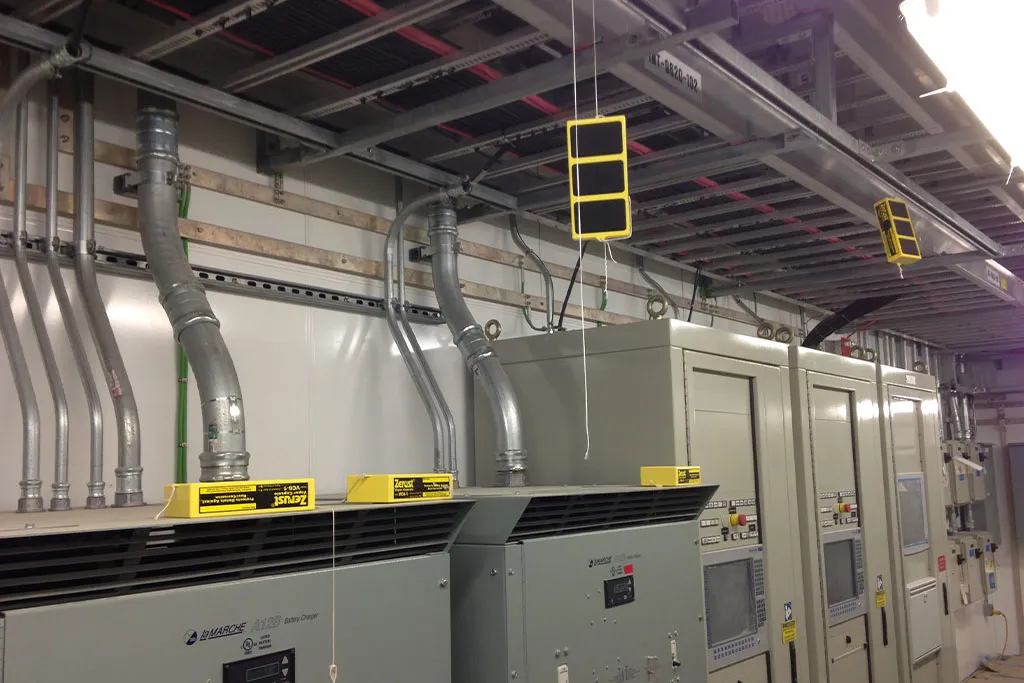
Corrosion Control for Control Rooms and Electronics: A Comprehensive Guide
Corrosion is a silent threat that can quickly damage sensitive electronics in industrial environments. Effective control room corrosion control is essential because corrosion can cause circuitry failures, reduce equipment reliability, and lead to costly production downtime. Industrial control rooms often house critical automation systems, communication networks, and monitoring equipment. When corrosive contaminants enter these environments,
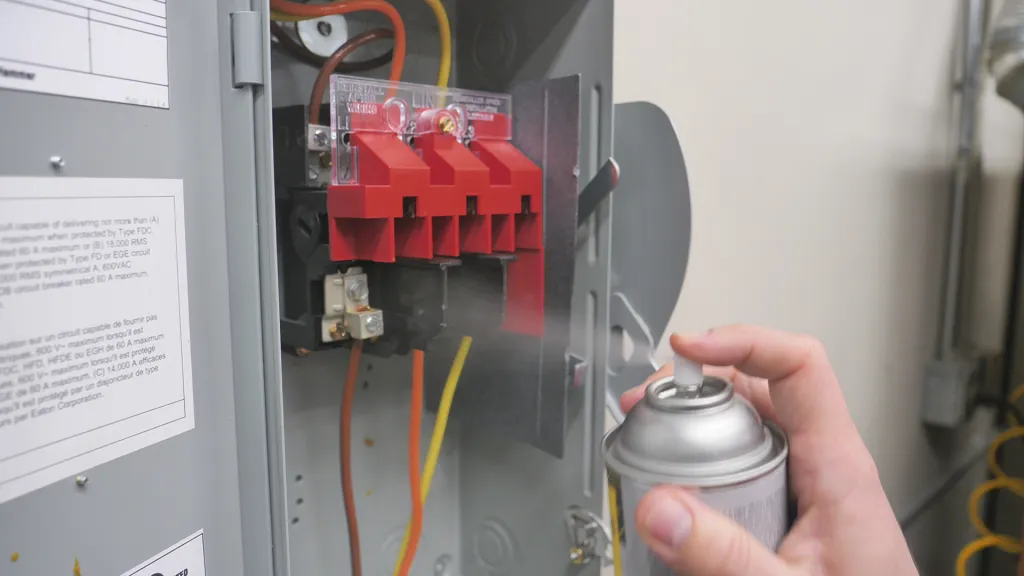
Axxanol™ 718-ESS vs. Conformal Coatings: Choosing the Right Corrosion Protection Solution
Corrosion protection is critical in electrical and electronic applications. Moisture, contaminants, and environmental exposure can quickly damage sensitive circuits and components. Two common approaches used to protect electronics from corrosion include conformal coatings and ZERUST® Axxanol™ 718-ESS, a multi-metal electrical corrosion inhibitor spray. Conformal coatings create a thin polymer barrier over electronic assemblies, while Axxanol™ 718-ESS forms
