Metals Protected
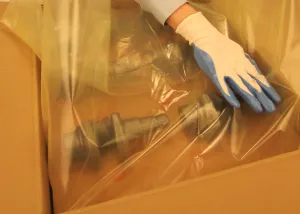
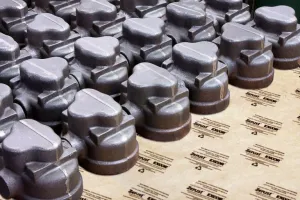
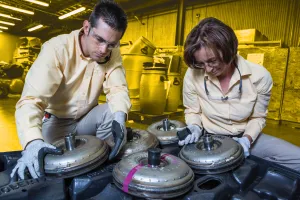
VCI Paper formulations vary depending on the type of corrosion inhibitors used. Manufacturers design different versions to protect specific metals or combinations of metals. Common applications include protection for carbon steel, cast iron, aluminum, copper, brass, and other non-ferrous alloys.
Selecting the correct VCI Paper for the metal type and environment ensures consistent and reliable corrosion protection.
Explore ferrous, non-ferrous, and multi-metal VCI film options designed for reliable corrosion protection.
When Should You Use VCI Paper?
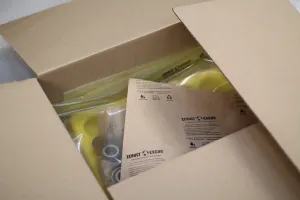
VCI Paper is commonly used for wrapping, interleaving, and cushioning metal parts during storage or shipment. It works well for indoor storage, controlled environments, and situations where ease of handling is important. Many packaging programs combine VCI Paper with VCI Poly products to increase overall protection and packaging efficiency.
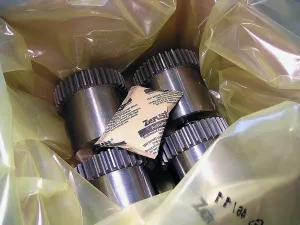
For example, parts may be individually wrapped in VCI Paper and then placed inside a sealed VCI Poly bag or liner. This layered approach increases Vapor Corrosion Inhibitor saturation and helps ensure protection reaches all internal surfaces.
Choosing the Right Solution
Understanding how VCI Paper works is only one part of building an effective corrosion protection program. Factors such as storage duration, humidity levels, packaging configuration, metal type, and handling practices all influence performance.
ZERUST® offers a wide range of VCI Paper options and technical support to help match the right solution to each application. ZERUST® specialists evaluate corrosion risks, review packaging processes, and recommend products and best practices that deliver reliable, long-term protection.
ZERUST® specialists can evaluate your corrosion risks and recommend the right packaging strategy.
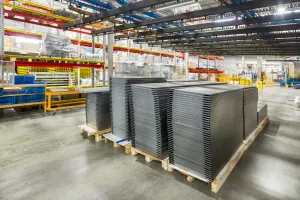
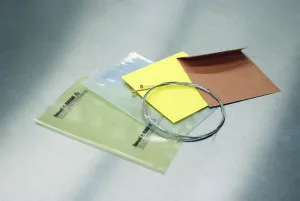
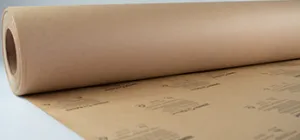
ICT®420 is an acid-free, pH-neutral, and non-abrasive VCI kraft paper that merges the practicality and cost-efficiency of paper-based packaging with advanced corrosion protection. Consequently, it streamlines the preservation of metals during work-in-progress, shipping, and storage.

ICT®420-35P VCI Poly Kraft Paper is an acid-free, pH-neutral, and non-abrasive kraft paper coated with a one-mil thick ZERUST® ICT® polyethylene layer containing Vapor Corrosion Inhibitors (VCIs). As a result, providing the kraft paper with increased tear and moisture resistance, making it an efficient and cost-effective solution for the corrosion protection of ferrous metals during work-in-progress, shipping, and storage.
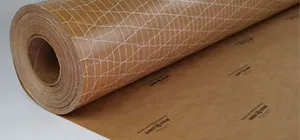
ICT®430-35SR VCI Scrim Paper is an acid-free, pH-neutral, and non-abrasive VCI kraft paper that’s scrim-reinforced (3/4 mil polyethylene layer and fiberglass scrim). As a result, providing effective corrosion protection with the convenience and affordability of a paper wrapping product with superior strength that avoids ripping and tearing during work-in-progress, shipping, and storage.
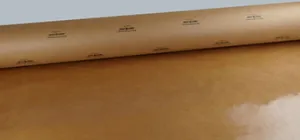
ICT®432-35P is an acid-free, pH-neutral, and non-abrasive VCI kraft paper coated with a 3/4 mil plain polyethylene layer. As a result, providing the kraft paper with increased tear and moisture resistance, making it an efficient and cost-effective solution for the corrosion protection of multiple metal types during work-in-progress, shipping, and storage.
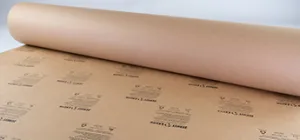
ICT®427 is an acid-free, pH-neutral, and non-abrasive premium VCI paper formulated to provide robust corrosion protection for demanding situations—such as high humidity and challenging metal parts during work-in-progress, shipping, and storage.