When evaluating corrosion protection options, one of the most common questions engineers and operations teams ask is: RP Oils or VCIs? Which protection method is best for my application?

Both methods are widely used across manufacturing, metalworking, and export packaging environments. However, choosing between RP oils or VCIs depends on your process, performance expectations, handling requirements, and total cost considerations.

In this article, we will compare RP oils and VCIs, explain how each works, and help you determine the best fit for your corrosion control strategy.

metal gear being coated with rust preventative oil in rp oils or vcis corrosion protection comparisonWhat Are RP Oils?

RP oils, also known as rust preventive oils, are liquid corrosion inhibitors that are applied directly to metal surfaces. They form a physical barrier that helps block moisture, oxygen, and contaminants from reaching the metal.

Common characteristics of RP oils:

  • Applied by dip, spray, or brush
  • Leave a protective film on the surface
  • May require removal before assembly or painting
  • Available in different film thicknesses and protection durations

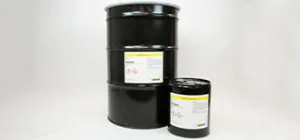
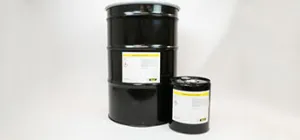
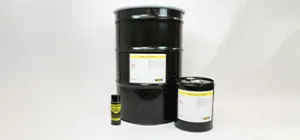
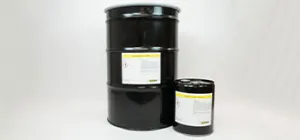
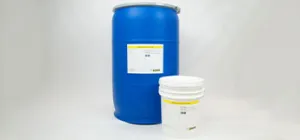
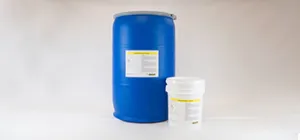
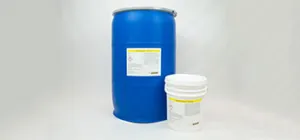
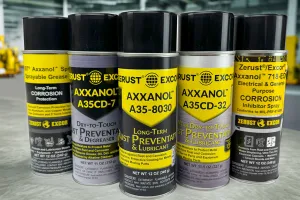
ZERUST® offers oil-based corrosion protection solutions such as:

RP oils are often preferred when:

  • Parts are stored in open or semi-open environments
  • Long-term outdoor protection is required
  • A heavier protective film is acceptable

Explore ZERUST® Rust Preventive Oils

Discover oil-based corrosion protection solutions engineered for industrial storage, export packaging, and harsh exposure environments.

What Are VCIs?

VCIs, or Vapor Corrosion Inhibitors, work differently from RP oils. Instead of forming a liquid barrier, VCIs release corrosion-inhibiting molecules into an enclosed space. These molecules settle on exposed metal surfaces and form a microscopic protective layer.

Key characteristics of VCIs:

  • Work inside enclosed packaging
  • Leave parts clean and dry
  • Do not require degreasing before use
  • Typically require sealing for optimal performance

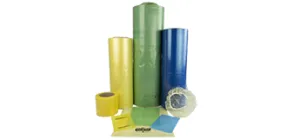
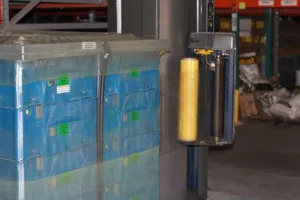
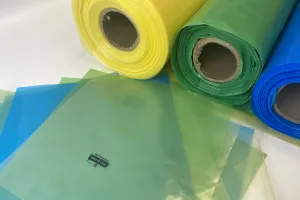
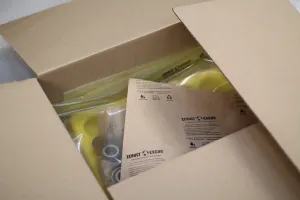
ZERUST® VCI packaging options include:

VCIs are often ideal when:

  • Clean, residue-free parts are required
  • Assembly follows immediately after unpacking
  • Export packaging needs lightweight protection
  • Automated packaging systems are used

Explore ZERUST® VCI Packaging Solutions

Discover high-performance VCI films engineered to protect metal parts during storage, shipment, and export without leaving residue.

RP Oils or VCIs: Side-by-Side Comparison

When comparing RP oils or VCIs, the decision usually comes down to application method, cleanliness requirements, and logistics.

Comparison Factor RP Oils VCIs
Surface Condition After Protection Oily film remains Clean and dry surface
Application Process Spray or dip equipment required Place in packaging and seal
Rework or Cleaning Required Often required before assembly Typically not required
Best Environment Open or harsh exposure conditions Enclosed packaging systems
Labor Impact Higher due to coating and possible removal Lower when integrated into the packaging workflow

When Should You Choose RP Oils?

Choose RP oils when:

  • Parts will be stored outdoors or exposed to airflow
  • Heavy-duty protection is required
  • A visible film is acceptable
  • Long-term preservation without sealed packaging is necessary

In these scenarios, RP oils can provide reliable, robust corrosion control.

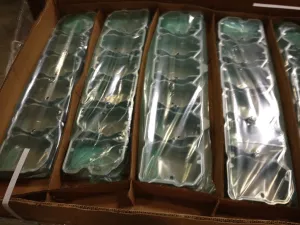
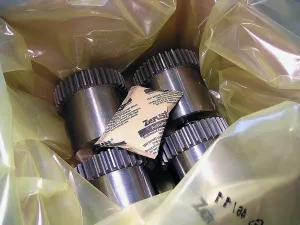
automotive parts packaged with ZERUST VCI protection in rp oils or vcis corrosion prevention comparisonWhen Should You Choose VCIs?

Choose VCIs when:

  • You need clean, ready-to-use components
  • Parts move directly from packaging to assembly
  • You want to reduce labor and secondary cleaning
  • You are shipping in cartons, crates, or sealed containers

For many manufacturers, the RP oils or VCIs decision ultimately becomes a workflow optimization decision rather than just a corrosion question.

Can You Combine RP Oils and VCIs?

Yes. In some applications, a hybrid approach provides the best performance.

For example:

  • Apply a light RP oil film
  • Package using VCI film or paper
  • Seal in a controlled environment

This layered protection strategy is common in export packaging, heavy industrial equipment storage, and multi-continent shipments.

Cost Considerations: RP Oils or VCIs

When evaluating RP oils or VCIs, look beyond material cost.

Consider:

  • Labor time
  • Application equipment
  • Cleaning requirements
  • Waste handling
  • Rework risk
  • Environmental and safety compliance

In many cases, VCIs reduce total operational cost because they eliminate secondary cleaning and simplify packaging workflows.

However, certain outdoor or high-exposure environments still favor RP oils.

The correct answer depends on your specific process.

Related Product Categories

To explore both protection methods in more detail:

Explore the Full Range of ZERUST® Corrosion Protection Solutions

From VCI packaging films to rust preventive oils and water-based inhibitors, discover complete corrosion control solutions engineered for industrial performance.

Work With a Corrosion Specialist

Selecting between RP oils or VCIs should not be a guess.

The right protection strategy depends on:

  • Metal type
  • Surface finish
  • Exposure conditions
  • Storage duration
  • Packaging method
  • Shipping destination

ZERUST® technical specialists can evaluate your application and recommend a validated corrosion protection design. Lab testing and field trials are available to confirm performance before full implementation.

Not Sure Whether RP Oils or VCIs Are Right for You?

Speak with a ZERUST® corrosion specialist to evaluate your metal type, environment, storage conditions, and workflow. We will help you determine the most effective and efficient protection strategy for your application.

Contact ZERUST® Technical Support

Vanessa Gilbert

Vanessa Gilbert served as Marketing Manager at ZERUST® for more than a decade, where she played a key role in shaping the company’s global brand strategy and executing integrated marketing initiatives across digital platforms, trade shows, and product marketing.

During her time at ZERUST®, Vanessa led numerous product launches and marketing campaigns that supported the growth of the company’s corrosion prevention portfolio, including Vapor Corrosion Inhibitor (VCI) packaging, rust preventative coatings, and corrosion management solutions. She worked closely with sales teams, technical experts, and international partners to ensure consistent messaging and effective market positioning across diverse industries and regions.

Vanessa was instrumental in strengthening communication with distributors and customers, helping to improve engagement, brand awareness, and overall market reach. Her efforts contributed to expanding ZERUST®’s presence in key industries such as manufacturing, transportation, and industrial supply chains, where corrosion prevention plays a critical role in protecting valuable assets and maintaining operational reliability.

With a strong understanding of both technical products and customer needs, Vanessa helped bridge the gap between product innovation and market adoption. Her work focused on delivering clear, value-driven messaging that highlighted the performance, reliability, and long-term benefits of ZERUST® solutions.

Although Vanessa has since moved on from ZERUST®, her contributions left a lasting impact on the company’s marketing strategy and global growth. Her work continues to influence how ZERUST® communicates its value and supports customers in implementing effective corrosion prevention solutions.

Explore ZERUST® Corrosion Prevention Solutions

Discover proven technologies designed to protect metal assets, improve reliability, and support long-term performance.

Close