Understanding how moisture affects VCI performance is critical when protecting metal parts during storage and shipment, especially in humid or variable climates. Moisture is a normal and expected condition in many storage and shipping environments, especially during overseas transport or movement through high-humidity regions. ZERUST® VCI packaging is designed to perform reliably even when limited moisture is present, provided the system is properly specified and sealed.
How ZERUST® VCI Packaging Manages Moisture
When Moisture Becomes a Corrosion Risk
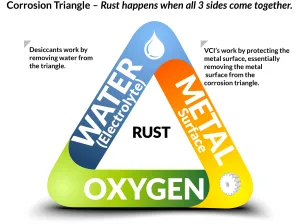
Corrosion issues typically arise when moisture enters a package freely due to improper sealing, damaged packaging, or excessive airflow. In these cases, moisture and oxygen can overwhelm the protective environment, and corrosion-inhibiting vapors may escape the enclosure.
Understanding how moisture affects VCI performance highlights the importance of maintaining packaging integrity. Unimpeded airflow disrupts the protective molecular layer on the metal surface, increasing the risk of corrosion even when VCI materials are present.
Concerned About Moisture Inside Your Packaging?
ZERUST® specialists can evaluate how moisture affects VCI performance in your application and recommend the right corrosion protection system.
Best Practices for Moisture Control with VCI Packaging
To ensure optimal corrosion protection when moisture may be present:
- Use correctly specified ZERUST® VCI films, bags, or rigid packaging for the environment
- Seal packages properly to limit air exchange
- Avoid punctures, tears, or loose closures
- Allow parts to cool before packaging to reduce condensation
- Consider supplemental protection, such as desiccants or VCI emitters, in severe humidity conditions
Following these practices allows ZERUST® VCI technology to function as intended, even in challenging shipping and storage environments.
Need Help Selecting the Right VCI Packaging?
Our team can help you manage moisture, prevent corrosion, and optimize VCI packaging for storage and shipment.
Why Proper Enclosure Matters
VCI technology relies on a controlled internal atmosphere. As long as airflow into and out of the package remains restricted, ZERUST® VCI molecules continuously replenish the protective layer on the metal surface. This enables reliable corrosion protection during long-term storage, domestic and overseas shipment, and exposure to fluctuating humidity levels.
If you anticipate high moisture exposure or have concerns about packaging integrity, ZERUST® technical specialists can help design a corrosion prevention system tailored to your application.
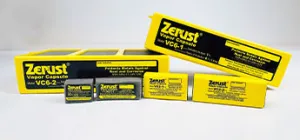
Vapor Capsules are portable VCI emitter diffusers containing proven ZERUST® Vapor Corrosion Inhibitors (VCI). They protect metals in hard-to-reach areas of control panels, electrical cabinets, or other enclosed spaces from corrosion, even when they are in operation. Additionally, use these VCI emitter diffusers as a supplement to other ZERUST® VCI packaging products for added protection.
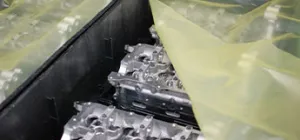
ICT®510-C Ferrous VCI Film provides cost-effective and targeted protection against rust damage for ferrous metals, such as steel, iron, and cast iron in shipping, storage, and work-in-progress.

ICT®510-C VCI Multimetal Film provides cost-effective and versatile protection against rust and corrosion damage for ferrous and non-ferrous metals in shipping, storage, and work-in-progress.

ICT®510-C Non-ferrous VCI Film provides cost-effective and versatile protection against corrosion damage for non-ferrous metals such as aluminum, copper, brass, and bronze, in shipping, storage, and work-in-progress.

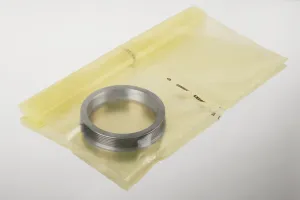
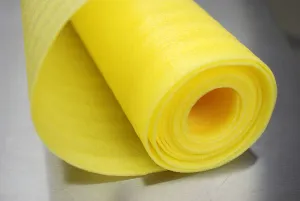
ICT®510-C VCI Film provides cost-effective and versatile protection against rust and corrosion damage for metal assets in shipping and storage. Additionally, it’s available in ferrous, non-ferrous, and multimetal formulations, as well as various-sized rolls, sheets, tubing, and bags.

ICT® VCI Poly Bags provide convenient and proven protection against corrosion damage for metals in shipping and storage. In addition, they are available in ferrous, non-ferrous, anti-tarnish, and multimetal protection types and various zipper, flat, and gusseted sizes.

ICT®420 is an acid-free, pH-neutral, and non-abrasive VCI kraft paper that merges the practicality and cost-efficiency of paper-based packaging with advanced corrosion protection. Consequently, it streamlines the preservation of metals during work-in-progress, shipping, and storage.

ICT®420-35P VCI Poly Kraft Paper is an acid-free, pH-neutral, and non-abrasive kraft paper coated with a one-mil thick ZERUST® ICT® polyethylene layer containing Vapor Corrosion Inhibitors (VCIs). As a result, providing the kraft paper with increased tear and moisture resistance, making it an efficient and cost-effective solution for the corrosion protection of ferrous metals during work-in-progress, shipping, and storage.

ICT®430-35SR VCI Scrim Paper is an acid-free, pH-neutral, and non-abrasive VCI kraft paper that’s scrim-reinforced (3/4 mil polyethylene layer and fiberglass scrim). As a result, providing effective corrosion protection with the convenience and affordability of a paper wrapping product with superior strength that avoids ripping and tearing during work-in-progress, shipping, and storage.

ICT®432-35P is an acid-free, pH-neutral, and non-abrasive VCI kraft paper coated with a 3/4 mil plain polyethylene layer. As a result, providing the kraft paper with increased tear and moisture resistance, making it an efficient and cost-effective solution for the corrosion protection of multiple metal types during work-in-progress, shipping, and storage.