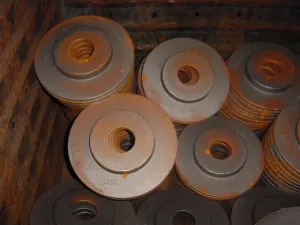
 Rust prevention during overseas container shipping is a critical concern for manufacturers moving metal parts internationally. Imagine this scenario. You load a shipping container with metal parts and send it overseas from North America to Asia. When the container arrives, your customer reports severe rust damage throughout the shipment. Now you plan to ship another container every month, but you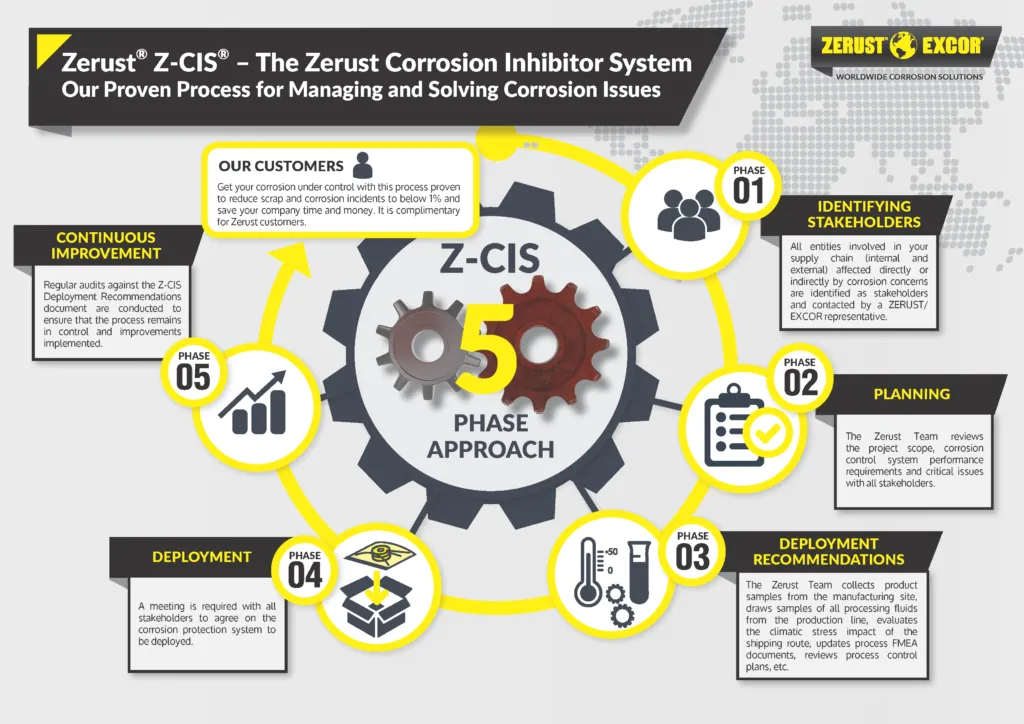

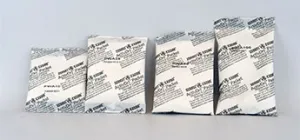
ActivDri™ PWA Packets are patent-pending, economical, effective, and easy-to-use dual-action, moisture control Vapor Corrosion Inhibitor (VCI) packets that protect against environmental contaminants and humidity that aggressively corrode metal parts, components, electronics, and electrical components/equipment
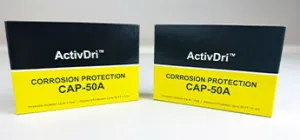
ActivDri™ CAP-50A is a dual-action moisture control capsule designed for enclosed industrial and electrical applications. It incorporates ZERUST® Intelligent Counter-Corrosion Technologies (ICT®) that offer slow and fast-releasing Vapor Corrosion Inhibitors (VCI) that settle on exposed metal surfaces to protect them against environmental contaminants and humidity that aggressively corrode metals during operation, shipping, and storage.
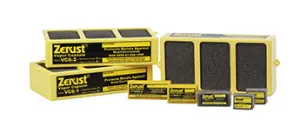
Vapor Capsules are portable VCI emitter diffusers containing proven ZERUST® Vapor Corrosion Inhibitors (VCI). They protect metals in hard-to-reach areas of control panels, electrical cabinets, or other enclosed spaces from corrosion, even when they are in operation. Additionally, use these VCI emitter diffusers as a supplement to other ZERUST® VCI packaging products for added protection.
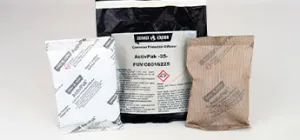
ActivPak® is a versatile and powerful fast-acting VCI sachet designed to address flash rust and corrosion concerns in demanding scenarios, including overseas shipping and polluted factory environments.
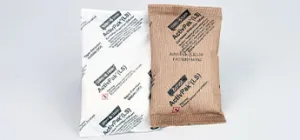
ActivPak®(LS) Flash Corrosion VCI Emitters offer fast-acting corrosion protection in challenging conditions, such as factories, marine environments, waste treatment facilities, and power plants.
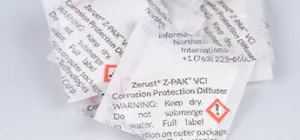
Z-PAK® is an economical, effective, and easy-to-use vapor corrosion inhibitor (VCI) diffuser packet that can be used alone or, more typically, with other ZERUST® packaging products to provide robust temporary corrosion protection for ferrous metals during shipment, storage, or work-in-progress.
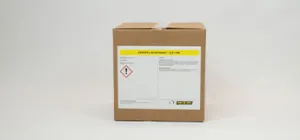
ActivPowder™(LS)-10F is a Vapor Corrosion Inhibitor (VCI) powder designed to protect ferrous metal surfaces in large voids from corrosion. It combines VCI with a Flash Corrosion Inhibitor (FCI™) to prevent flash rust and provide long-term corrosion protection.
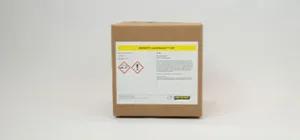
ActivPowder™-10F is a powerful Vapor Corrosion Inhibitor (VCI) powder designed to protect ferrous metal surfaces in large voids from corrosion. It combines VCI with a Flash Corrosion Inhibitor (FCI™) to prevent flash rust and provide long-term corrosion protection.
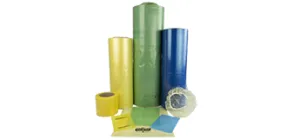
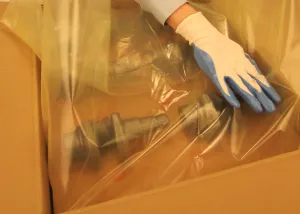
ICT®510-C VCI Film provides cost-effective and versatile protection against rust and corrosion damage for metal assets in shipping and storage. Additionally, it’s available in ferrous, non-ferrous, and multimetal formulations, as well as various-sized rolls, sheets, tubing, and bags.
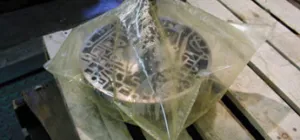
ICT®504-LM Moisture Limiting VCI Film reduces moisture from seeping through the package by lowering the water vapor transmission rate by 30%. As a result, it effectively protects against corrosion damage for metals in international shipments and long-term storage.
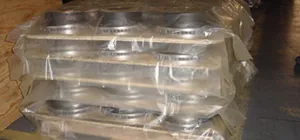
ICT®510-CLHD is a high density VCI Film that’s lightweight yet strong packaging solution. Furthermore, it’s specifically designed for interleaving, laminating, and serving as a superior alternative to VCI kraft paper during shipment, storage, or work-in-progress.
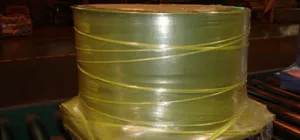
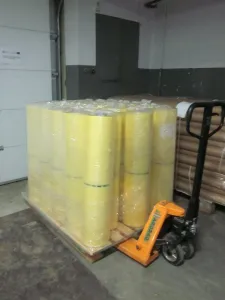
ICT®510-SM Stretch VCI Film is a high-quality cast packaging film that wraps pallet loads, bundles, large items, and irregularly shaped metal objects during storage and shipping. ideal for use with machine-stretch applications, and smaller rolls are also available for hand-stretch applications.
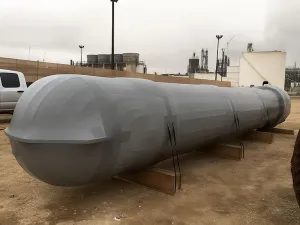
ICT®510-OPS VCI Shrink Film is an 8-mil, high-strength shrink film integrated with ZERUST® Vapor Corrosion Inhibitor (VCI) technology and UV stabilizers, designed specifically for the long-term outdoor preservation of large assets.
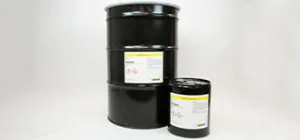
Axxanol™ 33 is a rust preventative oil that forms a light oily film, providing powerful corrosion protection against aggressive environments such as salt air and humidity.
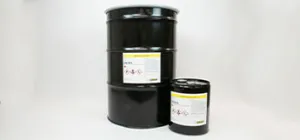
Axxanol™ 33CD is a solvent-based rust preventative that forms a dry-to-touch film, eliminating oily surfaces that attract dust and other contaminants.
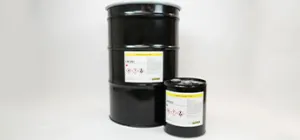
Axxanol™ 34CD is a solvent-based coating that forms a very light, oily, near dry-to-touch rust preventative film that provides powerful corrosion protection against aggressive environments.
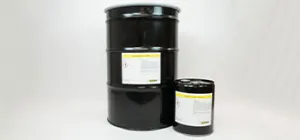
Axxanol™ 758-NV is a non-staining rust preventive oil that forms a clear, thin, oily film on the metal surface, providing a moisture barrier and powerful corrosion protection against aggressive environments such as salt air and humidity.
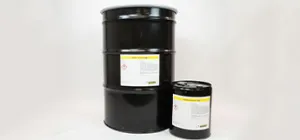
Axxanol™ 758 is a rust prevention oil containing ZERUST® Intelligent Counter-Corrosion Technologies (ICT®), which consists of high-performance non-staining contact inhibitor with dual-action slow and fast release Vapor Corrosion Inhibitors (VCI). When shipped or stored in enclosed packaging, Axxanol™ 758 VCI oil forms a clear, thin, oily film that provides a moisture barrier and contact inhibitor with ZERUST® VCI chemistry that migrates to metal surfaces in hard-to-reach voids, crevices, and chambers providing long-lasting corrosion protection.
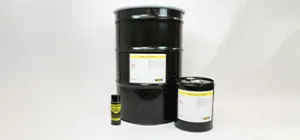
Axxanol™ A35-8030 is a long-term rust preventative oil that forms a light, thin, oily film. As a result, it provides powerful corrosion protection against aggressive environments, such as salt air and humidity. In addition to corrosion protection, it provides lubricating properties that help reduce friction and support smooth assembly and disassembly of metal parts.