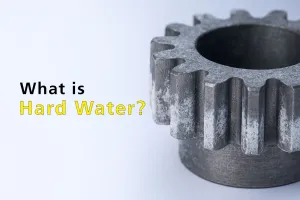
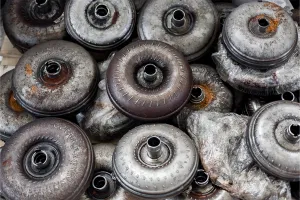
Flash rust is a rapid and aggressive form of corrosion that develops on ferrous metals such as steel or iron shortly after they are exposed to water or moisture. In many cases, flash rust can appear within minutes or hours. It forms a light to reddish-brown discoloration across the metal surface.
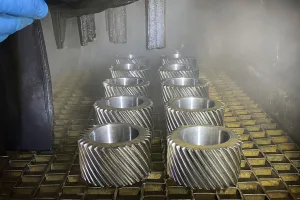
This type of corrosion is most commonly seen after wet manufacturing or maintenance processes, including aqueous cleaning, pressure washing, wet blasting, hydrostatic testing, or machining with water-based coolants.
How Does Flash Rust Form?
To understand what is flash rust, it is important to look at how freshly exposed metal reacts with its environment. When water contacts bare steel or iron, it removes protective oils or films that normally slow rust. Oxygen in the air then reacts quickly with the clean metal surface in the presence of moisture, triggering flash rust almost immediately.
Several factors can influence how quickly and severely it develops, including:
- High humidity levels
- Elevated temperatures
- Poor air circulation
- Residual salts, chlorides, or cleaning chemicals
- Extended surface wetness after processing
Because the corrosion process begins so quickly, even brief delays between washing and protection can result in visible flash rust.
Why is it a Problem?
While often considered a surface-level issue, it can create significant downstream problems. It can interfere with coatings, paints, adhesives, and surface treatments by reducing adhesion and surface uniformity. In precision manufacturing environments, it can also affect part tolerances, appearance, and quality acceptance.
If left untreated, flash rust can progress into deeper corrosion, increasing rework, scrap rates, and overall production costs.
How Can Flash Rust Be Prevented?
Preventing flash rust requires immediate and effective corrosion protection after wet processes. Best practices typically include ensuring parts are visibly dry, minimizing exposure time to humid air, and applying a compatible rust prevention method as soon as possible.
ZERUST® offers multiple solutions designed specifically to help protect during production, storage, and shipment. These include Vapor Corrosion Inhibitor VCI packaging systems and water-based rust inhibitors that protect metal surfaces without interfering with downstream operations.
When properly selected and applied, ZERUST® solutions create a protective environment around the metal that interrupts the corrosion process and reduces the risk of flash rust forming after cleaning or machining.
ZERUST® Solutions
Preventing flash rust requires immediate, reliable corrosion protection after wet processes. ZERUST® offers proven Vapor Corrosion Inhibitor VCI packaging and water-based rust inhibitors designed to protect freshly cleaned or machined metal parts during production, storage, and shipment.
When Should Protection be Applied?
Flash rust protection should be applied immediately after wet processing and before parts are exposed to uncontrolled air or humidity. Even short delays can allow corrosion to initiate. Early protection is especially critical for components destined for storage, export, or high-humidity environments.
By understanding and implementing preventative measures early in the process, manufacturers can preserve surface quality, reduce corrosion-related losses, and maintain consistent product performance.
Experiencing Issues?
Flash rust can have multiple causes related to process conditions, moisture control, chemistry, and environment. The ZERUST® technical team can help identify the root cause of your challenges and recommend the most effective corrosion protection solution for your application.



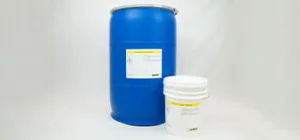
AxxaWash™ KMS-220 is a low foam, low temperature, mildly alkaline water-based part cleaner with excellent oil-splitting capabilities. In addition, AxxaWash™ KMS-220 provides flash-rust inhibition.
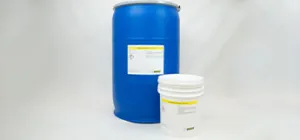
ZERUST®/EXCOR® AxxaWash™ KF-123 is a low-foaming, mildly alkaline, high-performance water-based industrial parts washer that is designed for cleaning ferrous substrates. In addition, AxxaWash™ KF-123 provides flash-rust inhibition.
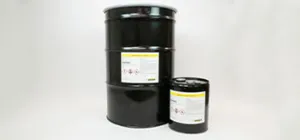
Axxanol™ 34CD-HF is a solvent-based high-flash rust preventative coating that forms a very light, oily film that is near dry-to-touch, providing powerful corrosion protection against aggressive environments, such as salt air and humidity.
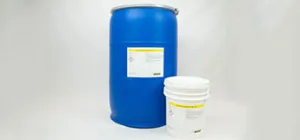
AxxaWash™ NW-12C is a mildly alkaline, water-based ultrasonic cleaning solution with a wide range of operating temperatures. In addition, it can be used in immersion and spray cleaning modes.
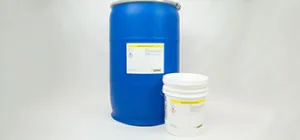
Axxatec™ 8110C is an easy-to-use water-based corrosion-inhibiting additive for the protection of interior surfaces and parts comprised of iron, steel, aluminum, copper, and brass within closed systems.
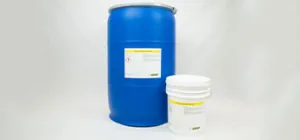
AxxaWash™ NW-10C is a mildly alkaline, water-based preservation cleaner with a wide range of operating temperatures. In addition to flash-rust inhibition, it also removes and deactivates sources of corrosion such as chlorides, oils, and contaminants.
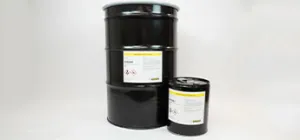
Axxanol™ 33CD-HF is a solvent-based high-flash corrosion inhibitor coating that dries-to-touch, eliminating oily surfaces that attract dust and other contaminants.
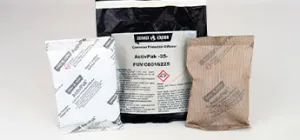
ActivPak® is a versatile and powerful fast-acting VCI sachet designed to address flash rust and corrosion concerns in demanding scenarios, including overseas shipping and polluted factory environments.
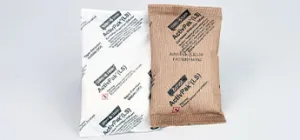
ActivPak®(LS) Flash Corrosion VCI Emitters offer fast-acting corrosion protection in challenging conditions, such as factories, marine environments, waste treatment facilities, and power plants.

ActivPowder™(LS)-10F is a Vapor Corrosion Inhibitor (VCI) powder designed to protect ferrous metal surfaces in large voids from corrosion. It combines VCI with a Flash Corrosion Inhibitor (FCI™) to prevent flash rust and provide long-term corrosion protection.
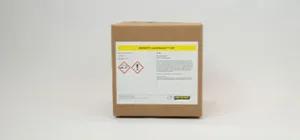
ActivPowder™-10F is a powerful Vapor Corrosion Inhibitor (VCI) powder designed to protect ferrous metal surfaces in large voids from corrosion. It combines VCI with a Flash Corrosion Inhibitor (FCI™) to prevent flash rust and provide long-term corrosion protection.
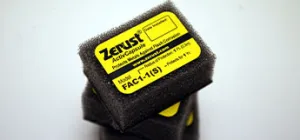
ActivCapsule™ FAC1-1(S) is a drop-in capsule containing proven ZERUST® Vapor Corrosion Inhibitor (VCI) technology used as a flash-corrosion prevention product to protect metals from corrosion in hard-to-reach areas in almost any enclosure or as a supplement to other ZERUST® VCI packaging products for added protection.