How Does a Rust Inhibitor Work?
Rust inhibitors interrupt corrosion before it can start. When applied, the inhibitor molecules either adsorb onto the metal surface or create a continuous coating that isolates the metal from its environment. As a result, the metal remains protected even in humid or fluctuating conditions that typically accelerate corrosion.
Some products actively neutralize corrosive agents, while others passively shield the surface. This flexibility allows them to perform across a wide range of environments and metal types.
Common Types of Rust Inhibitors
Available in several formulations to suit different applications and operating conditions:
- Oil-based – Provide long-lasting protection for machined or finished parts during storage or shipment
- Water-based – Ideal for post-wash protection and environmentally conscious operations
- Solvent-based – Offer fast drying and strong adhesion for temporary protection
- Grease-based – Used for heavy-duty or long-term outdoor storage
- Oil additives – Integrated directly into lubricants or process fluids for in-process protection
Browse oil-based, water-based, and oiil-based products designed to protect metal parts across storage, transport, and production environments.
Where Are Rust Inhibitors Used?
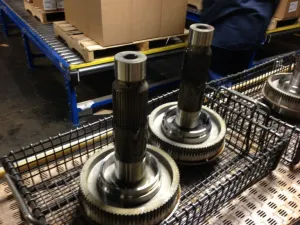
Rust inhibitors are widely used to protect metal components between manufacturing steps, during warehousing, and throughout domestic or international shipping. They are especially valuable when parts face exposure to humidity, temperature changes, or airborne contaminants.
ZERUST®/EXCOR® offers a comprehensive range of rust inhibitor coatings and fluids designed to work as standalone solutions or alongside advanced packaging technologies such as ICT® Poly Packaging and ICT® Kraft Packaging Paper. These solutions help manufacturers maintain part quality while reducing rework, scrap, and downtime.
Benefits
Using the right rust inhibitor helps manufacturers:
- Extend the service life of metal components
- Prevent surface degradation without altering part dimensions
- Reduce maintenance and re-cleaning costs
- Improve reliability during storage and transport
- Support consistent quality across global supply chains
Choosing the Right Product
Selecting the right product depends on several factors, including metal type, exposure conditions, protection duration, and compatibility with existing processes. Oil-based inhibitors may work best for long-term storage, while water-based options suit freshly washed parts or cleaner operations.
For optimal results, rust inhibitors are often paired with corrosion-inhibiting packaging systems to create a layered protection strategy.
Our corrosion experts can evaluate your metal type, environment, and protection goals to recommend the best solution for your application.

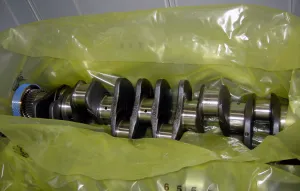


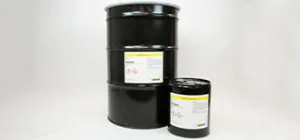
Axxanol™ 33 is a rust preventative oil that forms a light oily film, providing powerful corrosion protection against aggressive environments such as salt air and humidity.
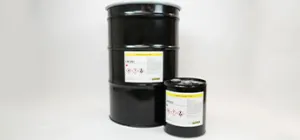
Axxanol™ 34CD is a solvent-based coating that forms a very light, oily, near dry-to-touch rust preventative film that provides powerful corrosion protection against aggressive environments.
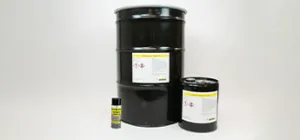
Axxanol™ A35CD-32 is a solvent-based, non-staining rust preventative that forms a clear, thin, near dry-to-touch RP film. As a result, it provides powerful corrosion protection against aggressive environments, such as salt air and humidity.
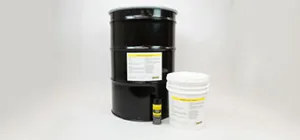
Axxanol™ Spray-G is a sprayable rust preventative grease that provides the protection of a grease in the convenience of a sprayable form. It’s designed to protect metal parts, equipment, and assemblies during long-term indoor and outdoor storage and challenging overseas shipping applications where a removable coating is essential.
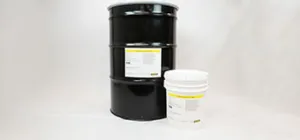
Axxanol™ Z-Maxx Anti-Corrosion Grease Series consists of two products, Axxanol™ Z-Maxx and Z-Maxx LV. Z-Maxx is a thick NLGI 2 grease and is also offered as a lower viscosity (LV) NLGI 0 grease that is designed for spreadability and light lubrication properties.
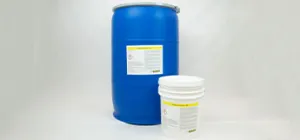
Axxatec™ 30C is a water-based rust Inhibitor designed to provide short-term indoor storage and in-transit protection. In addition to the corrosion protection offered, Axxatec™ 30C may also be used as a light-duty cleaner-rust preventative combination product.
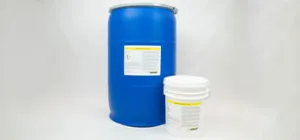
Axxatec™ 80C is a water-based liquid concentrate rust preventative designed to provide long-lasting protection during indoor storage, shipping, and assembly.
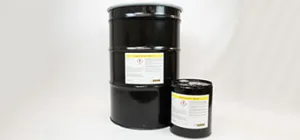
AxxaCoat™ 90B HFS is a sprayable high-flash outdoor rust preventative coating designed to protect metal parts and assemblies during long-term indoor and outdoor storage and challenging overseas shipping applications.