Does VCI protection continue after the packaging is opened?
VCI protection does not function like a permanent coating or oil. Instead, it relies on a controlled vapor environment. After removal from packaging, the protection window is limited and should be viewed as a short handling buffer, not long-term corrosion prevention.
During this short period, parts may remain corrosion-free, but VCI does not actively protect metal once the vapor source is no longer present.
What factors affect corrosion after VCI removal?
The time it takes for corrosion to develop after removal from VCI packaging varies significantly based on several conditions, including:
- Surface cleanliness: Residues such as salts, fingerprints, fluids, or cleaners can accelerate corrosion once the VCI layer dissipates.
- Relative humidity: Higher humidity levels increase the likelihood of corrosion forming soon after exposure.
- Airborne contaminants: Pollutants, chlorides, or organic acids from nearby materials such as wood can promote corrosion.
- Temperature and condensation: Temperature swings can cause condensation on exposed metal surfaces, especially in uncontrolled environments.
Because these variables differ from one facility to another, corrosion may appear quickly in some settings and much later in others.
How long can metal parts remain corrosion-free after VCI removal?
There is no single guaranteed timeframe. However, under clean, dry, and controlled conditions, parts may remain corrosion-free for several hours after removal from VCI packaging. In harsher environments, corrosion can begin much sooner once the molecular layer dissipates.
For this reason, VCI packaging should be viewed as part of a system, not a standalone solution.
Best practices after removing metal parts from VCI packaging
To reduce corrosion risk after removal:
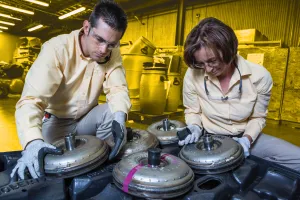
- Handle parts with clean gloves to avoid contamination
- Move parts promptly into assembly, coating, or secondary protection
- Avoid prolonged exposure in humid or uncontrolled environments
- Repackage parts with VCI or apply a suitable rust preventative if delays are expected
Following these practices helps maintain surface quality and prevent unexpected corrosion.
When is additional corrosion protection needed after VCI packaging?
If parts will be stored, staged, or transported again after removal from VCI packaging, additional protection may be necessary. This could include re-packaging with VCI materials, using corrosion-inhibiting coatings, or implementing environmental controls.
Evaluating the full handling and storage process ensures corrosion protection remains effective beyond the initial packaging stage.
Not sure how long your parts can remain exposed?
Environmental conditions, surface cleanliness, and handling time all influence
corrosion risk after VCI packaging is opened. ZERUST® corrosion specialists can
help determine whether additional protection or process changes are needed for
your application.
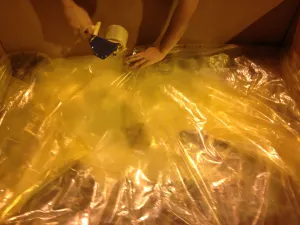

ICT® VCI Poly Bags provide convenient and proven protection against corrosion damage for metals in shipping and storage. In addition, they are available in ferrous, non-ferrous, anti-tarnish, and multimetal protection types and various zipper, flat, and gusseted sizes.
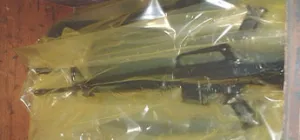
ICT®510-C VCI Weapon Bags are specifically designed to protect weapons, including handguns, rifles, as well as accessories, against corrosion, dust, sand, and humidity damage in shipping, storage, and between operations.

ICT®510-C VCI Film provides cost-effective and versatile protection against rust and corrosion damage for metal assets in shipping and storage. Additionally, it’s available in ferrous, non-ferrous, and multimetal formulations, as well as various-sized rolls, sheets, tubing, and bags.

ICT®510-C VCI Tubing provides versatile protection against corrosion, as the tubing offers a tailored packaging solution for parts of various sizes or long metal assets metals in shipping, storage, and work-in-progress.
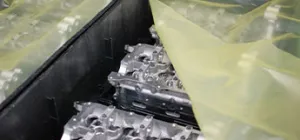
ICT®510-C Ferrous VCI Film provides cost-effective and targeted protection against rust damage for ferrous metals, such as steel, iron, and cast iron in shipping, storage, and work-in-progress.
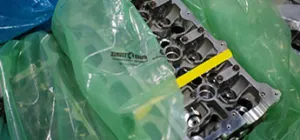
ICT®510-C VCI Multimetal Film provides cost-effective and versatile protection against rust and corrosion damage for ferrous and non-ferrous metals in shipping, storage, and work-in-progress.
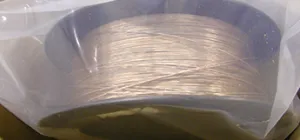
ICT®510-C Non-ferrous VCI Film provides cost-effective and versatile protection against corrosion damage for non-ferrous metals such as aluminum, copper, brass, and bronze, in shipping, storage, and work-in-progress.