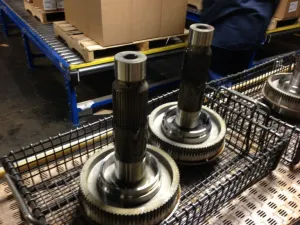
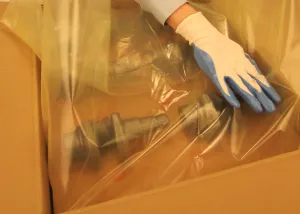
How long do rust inhibitors last depends on several key factors, including the inhibitor type, application method, storage conditions, and exposure environment. Different rust inhibitor chemistries are designed for different protection timelines, ranging from short-term in-process protection to multi-year preservation.
Understanding rust inhibitor protection duration helps ensure you select the right solution for your storage, shipment, or work-in-progress application.
What Factors Affect Rust Inhibitor Lifespan?
The rust inhibitor lifespan can vary significantly based on real-world conditions. Key factors include:
- Type of rust inhibitor formulation
- Film thickness and coverage consistency
- Indoor vs outdoor exposure
- Humidity and temperature fluctuations
- Frequency of handling or part disturbance
- Compatibility with packaging or coatings
Selecting a product that matches both the environment and the required protection time is critical for effective corrosion prevention.
ZERUST® corrosion experts can help you choose a product that matches your environment, handling conditions, and required protection time.
How Long Do Oil-Based Rust Inhibitors Last?
Oil-based rust inhibitor protection time is among the longest available for temporary corrosion prevention.
Axxanol™ oil-based products typically provide up to 1 to 3 years‡ of protection under controlled indoor storage conditions. These products form a thin oil protective film that resists moisture intrusion and oxygen exposure.
Oil-based inhibitors are ideal for:
- Long-term storage
- Finished or machined components
- Indoor preservation with minimal handling
How Long Do Water-Based Rust Inhibitors Last?
Water-based rust inhibitor duration is generally shorter but offers important processing advantages.
Axxatec™ water-based products deliver approximately 3 to 12 months‡ of protection, depending on part cleanliness and environmental exposure. They are commonly used after aqueous cleaning operations where fast drying and easy removal are required.
Water-based inhibitors are well-suited for:
- Post-wash protection
- Environmentally conscious operations
- Short- to mid-term indoor storage
How Long Do Solvent-Based Rust Inhibitors Last?
Solvent-based rust inhibitors provide up to 1 year‡ of protection and are valued for their fast-drying characteristics.
Axxanol™ solvent-based products leave behind a thin, uniform protective film once the carrier solvent evaporates. This makes them ideal for intermittent protection or in-process corrosion control.
Typical applications include:
- Work-in-progress parts
- Temporary storage between operations
- Applications requiring minimal residue
How Long Does Grease-Based Protection Last?
Grease-based rust inhibitor protection offers some of the most durable temporary corrosion protection available.
Axxanol™ grease-based coatings can provide up to 2 to 3 years‡ of protection, even in harsh or variable environments. Their thick, moisture-resistant barrier makes them effective for extended storage or outdoor exposure.
Grease-based coatings are commonly used for:
- Heavy-duty components
- Long-term storage
- Harsh or fluctuating environments
How Long Does Rust Protection Last in Real-World Conditions?
Even the best rust inhibitors are affected by exposure conditions. Moisture, temperature cycling, and repeated handling can reduce the duration of temporary rust protection.
For extended storage or shipment, ZERUST® recommends:
- Periodic inspection of protected parts
- Reapplication when necessary
- Selecting packaging and storage methods that minimize environmental exposure
Explore corrosion inhibitor liquids, additives, and rust removers and understand which products best match your application and required protection duration.

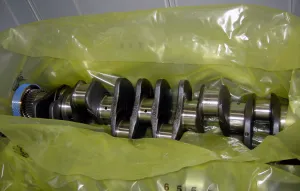

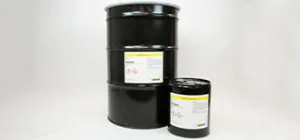
Axxanol™ 33 is a rust preventative oil that forms a light oily film, providing powerful corrosion protection against aggressive environments such as salt air and humidity.
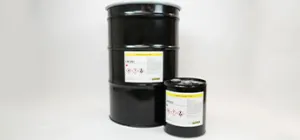
Axxanol™ 34CD is a solvent-based coating that forms a very light, oily, near dry-to-touch rust preventative film that provides powerful corrosion protection against aggressive environments.
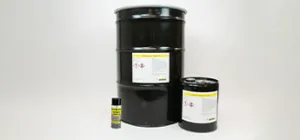
Axxanol™ A35CD-32 is a solvent-based, non-staining rust preventative that forms a clear, thin, near dry-to-touch RP film. As a result, it provides powerful corrosion protection against aggressive environments, such as salt air and humidity.
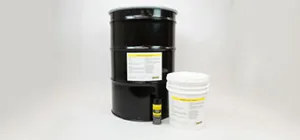
Axxanol™ Spray-G is a sprayable rust preventative grease that provides the protection of a grease in the convenience of a sprayable form. It’s designed to protect metal parts, equipment, and assemblies during long-term indoor and outdoor storage and challenging overseas shipping applications where a removable coating is essential.
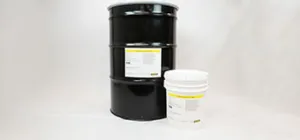
Axxanol™ Z-Maxx Anti-Corrosion Grease Series consists of two products, Axxanol™ Z-Maxx and Z-Maxx LV. Z-Maxx is a thick NLGI 2 grease and is also offered as a lower viscosity (LV) NLGI 0 grease that is designed for spreadability and light lubrication properties.
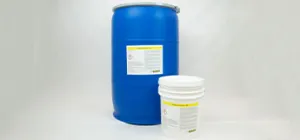
Axxatec™ 30C is a water-based rust Inhibitor designed to provide short-term indoor storage and in-transit protection. In addition to the corrosion protection offered, Axxatec™ 30C may also be used as a light-duty cleaner-rust preventative combination product.
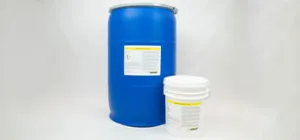
Axxatec™ 80C is a water-based liquid concentrate rust preventative designed to provide long-lasting protection during indoor storage, shipping, and assembly.
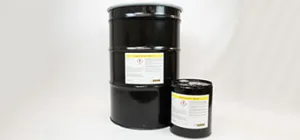
AxxaCoat™ 90B HFS is a sprayable high-flash outdoor rust preventative coating designed to protect metal parts and assemblies during long-term indoor and outdoor storage and challenging overseas shipping applications.