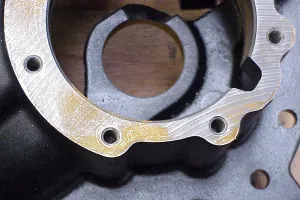
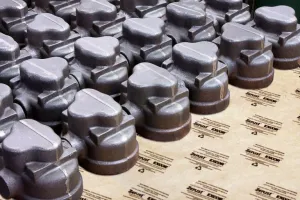
To protect steel components in an unheated warehouse, manufacturers need a corrosion control strategy that accounts for moisture, condensation cycles, and temperature swings. Even though parts are stored indoors, unheated warehouses frequently experience dew point fluctuations that allow condensation to form on steel surfaces. Furthermore. without proper protection, this moisture can quickly initiate corrosion.
ZERUST® addresses these risks with a system-based approach that combines environmental control, rust preventative coatings, and ICT® Vapor Corrosion Inhibitor packaging to protect steel throughout storage.
Why it is difficult to protect steel components in an unheated warehouse
Unheated warehouses are especially challenging environments for steel storage. Consequently, temperature changes between day and night can cause warm, moist air to condense on cooler metal surfaces. Over time, these repeated condensation cycles accelerate oxidation.
Common risk factors include:
- Seasonal humidity swings
- Poor air circulation
- Cold floors and exterior walls
- Contaminants such as dust, salts, and acids
These conditions make it essential to protect steel components in an unheated warehouse using more than a single corrosion prevention method.
Environmental controls to help protect
Environmental controls are the first line of defense. While they cannot eliminate corrosion risk on their own, they significantly improve overall protection.
Best practices include:
- Increase airflow to reduce stagnant air pockets
- Store components off the floor using racks or pallets
- Avoid placing steel directly against exterior walls
- Minimize rapid temperature changes when possible
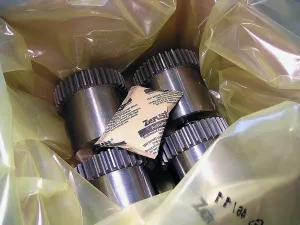
Wooden pallets can introduce additional risk because they emit acids and retain moisture. When steel must be stored on wood, always isolate it using ZERUST® ICT® VCI paper or sealed ICT® VCI bags.
If relative humidity regularly exceeds 50%, place an ActivDri™ PWA Packet inside the VCI enclosure to absorb excess moisture and reduce condensation risk.
Learn how wood and pallets can accelerate corrosion
Wooden pallets and dunnage can emit acids and retain moisture that increase corrosion risk during indoor storage. Learn how ZERUST® VCI packaging helps isolate steel components and eliminate corrosion caused by wood-based materials.
Rust preventative coatings to protect steel components in an unheated warehouse
Applying a rust preventative coating creates a physical barrier between steel and moisture. Furthermore, the correct coating depends on storage duration and environmental severity.
Recommended options include:
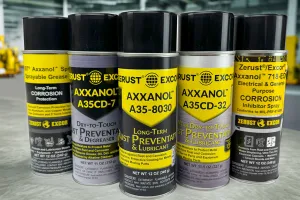
- Short-term indoor storage: Axxanol™ 33 provides a thin, water-repellent oil film that resists humidity-driven corrosion.
- Medium to long-term storage: Axxanol™ Spray-G and Axxanol™ Z-Maxx offer grease-based protection for extended exposure and fluctuating humidity.
These coatings remain stable during temperature swings and can be removed easily with ZERUST® AxxaWash™ industrial cleaners or standard alkaline wash systems.
Explore ZERUST® rust preventative coatings
ZERUST® rust preventative coatings are engineered to protect steel components stored in unheated warehouses where condensation and humidity fluctuations increase corrosion risk. Find oil-based, grease-based, and water-based solutions designed for short- and long-term indoor storage.
Using VCI packaging to enhance protection
Vapor Corrosion Inhibitor (VCI) packaging technologies add a critical layer of protection in environments where condensation cannot be fully controlled. ZERUST® ICT® VCI paper and VCI film release corrosion-inhibiting molecules that migrate through the enclosed airspace and form an invisible protective layer on metal surfaces.
Key advantages include:
- Protection of exposed and hard-to-reach areas
- Continued corrosion inhibition during humidity fluctuations
- No residue on metal surfaces
For large enclosures or packaged equipment, ZERUST® VCI emitters such as Vapor Capsules, ActivPak®, or Z-PAK® help maintain a corrosion-inhibiting atmosphere throughout the space.
Always use ZERUST® ICT® VCI film or bags instead of conventional plastic wrap. Standard plastic can trap moisture and worsen corrosion.
Best system-based approach to protect steel components in an unheated warehouse
For maximum reliability, ZERUST® recommends a layered approach:
- Apply an Axxanol™ rust preventative coating when extended storage is expected
- Enclose the component in ZERUST® ICT® VCI packaging
- Add ActivDri™ PWA moisture control if the humidity is high
- Seal packaging tightly to retain VCI molecules
When parts will be painted, welded, or assembled later, VCI-only protection is ideal. ZERUST® VCI products leave no residue and allow components to move directly into production.
Inspection and maintenance for unheated warehouses
Long-term storage requires routine inspection. Check components every one to three months for:
- Signs of condensation
- Coating degradation
- Package integrity
Reapply rust preventatives as needed and document inspection intervals to maintain consistency and traceability.
Proven solution to protect steel components in an unheated warehouse
By combining Axxanol™ rust preventative coatings, ICT® VCI packaging, AxxaWash™ cleaners, and environmental controls, ZERUST® delivers a proven corrosion management system. This approach follows the ZERUST® Z-CIS® Corrosion Inhibiting System methodology and helps reduce rework, downtime, and asset loss.
For application-specific guidance, contact ZERUST® to speak with a technical service representative.
Need help protecting steel components in an unheated warehouse?
Every storage environment presents unique corrosion risks. ZERUST® technical
experts can help you select the right combination of rust preventative coatings,
VCI packaging, and moisture control solutions to protect your steel components
and reduce long-term corrosion costs.
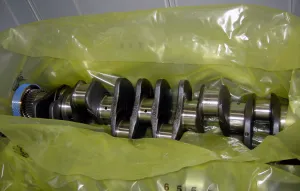
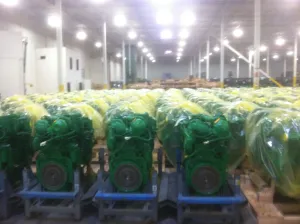
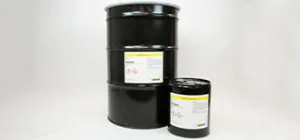
Axxanol™ 33 is a rust preventative oil that forms a light oily film, providing powerful corrosion protection against aggressive environments such as salt air and humidity.
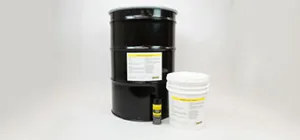
Axxanol™ Spray-G is a sprayable rust preventative grease that provides the protection of a grease in the convenience of a sprayable form. It’s designed to protect metal parts, equipment, and assemblies during long-term indoor and outdoor storage and challenging overseas shipping applications where a removable coating is essential.
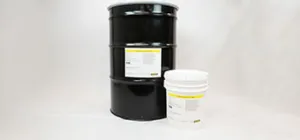
Axxanol™ Z-Maxx Anti-Corrosion Grease Series consists of two products, Axxanol™ Z-Maxx and Z-Maxx LV. Z-Maxx is a thick NLGI 2 grease and is also offered as a lower viscosity (LV) NLGI 0 grease that is designed for spreadability and light lubrication properties.
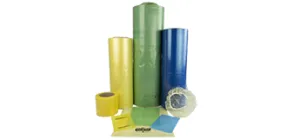
ICT®510-C VCI Film provides cost-effective and versatile protection against rust and corrosion damage for metal assets in shipping and storage. Additionally, it’s available in ferrous, non-ferrous, and multimetal formulations, as well as various-sized rolls, sheets, tubing, and bags.

ICT® VCI Poly Bags provide convenient and proven protection against corrosion damage for metals in shipping and storage. In addition, they are available in ferrous, non-ferrous, anti-tarnish, and multimetal protection types and various zipper, flat, and gusseted sizes.
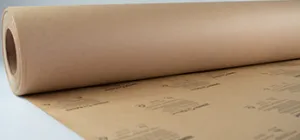
ICT®420 is an acid-free, pH-neutral, and non-abrasive VCI kraft paper that merges the practicality and cost-efficiency of paper-based packaging with advanced corrosion protection. Consequently, it streamlines the preservation of metals during work-in-progress, shipping, and storage.
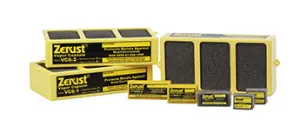
Vapor Capsules are portable VCI emitter diffusers containing proven ZERUST® Vapor Corrosion Inhibitors (VCI). They protect metals in hard-to-reach areas of control panels, electrical cabinets, or other enclosed spaces from corrosion, even when they are in operation. Additionally, use these VCI emitter diffusers as a supplement to other ZERUST® VCI packaging products for added protection.
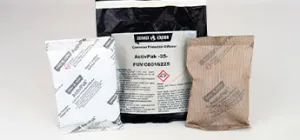
ActivPak® is a versatile and powerful fast-acting VCI sachet designed to address flash rust and corrosion concerns in demanding scenarios, including overseas shipping and polluted factory environments.
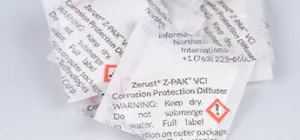
Z-PAK® is an economical, effective, and easy-to-use vapor corrosion inhibitor (VCI) diffuser packet that can be used alone or, more typically, with other ZERUST® packaging products to provide robust temporary corrosion protection for ferrous metals during shipment, storage, or work-in-progress.
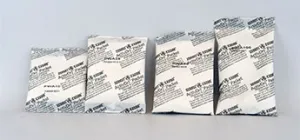
ActivDri™ PWA Packets are patent-pending, economical, effective, and easy-to-use dual-action, moisture control Vapor Corrosion Inhibitor (VCI) packets that protect against environmental contaminants and humidity that aggressively corrode metal parts, components, electronics, and electrical components/equipment