In manufacturing environments, cleanliness is essential for product quality and process reliability. However, with the use of degreasers corrosion can also become a concern if cleaning chemistry and process controls are not properly maintained. Industrial cleaners and degreasers remove oils, metalworking fluids, and contaminants that interfere with downstream operations. At the same time, poorly managed cleaning systems can create conditions where corrosion begins to develop on freshly cleaned metal surfaces.
Because of this, manufacturers must balance two important goals: achieving effective cleaning while ensuring that degreasers do not become a hidden cause of corrosion during processing or storage. When properly selected and maintained, industrial cleaning solutions help prepare parts for finishing operations and support long-term corrosion control.
Cleaning Processes Where Degreasers Influence Corrosion Risk
Manufacturing industries produce a wide range of components, each requiring specific preparation before moving to the next production step. Industrial cleaners and degreasers play a critical role in removing contamination that can interfere with coatings, welding, assembly, or corrosion protection.
Degreasers and Corrosion Considerations Before Painting
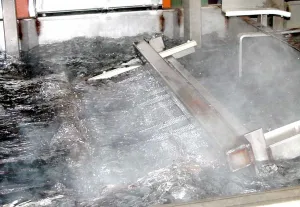
One of the most common uses of industrial cleaners and degreasers is preparing metal surfaces for painting or coating. Clean surfaces allow paint to bond properly and create a consistent finish.
If oils or residues remain on a part, the coating may fail to adhere or produce surface defects. In industries such as automotive manufacturing, surface quality directly affects both durability and appearance.
Degreasers and Corrosion Risks in Welding and Fabrication
Clean metal surfaces are also essential during welding and fabrication. Oils and contaminants can weaken weld joints and introduce defects.
Contaminated surfaces may also produce harmful fumes when exposed to high welding temperatures. Proper cleaning before welding helps improve weld strength, reduce defects, and create a safer working environment.
Degreasers and Corrosion Control Before Rust Prevention Coatings
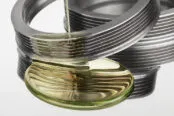
Industrial cleaners and degreasers are often used before applying rust prevention coatings. These cleaning steps remove existing corrosion products, oils, and debris so corrosion protection coatings can bond properly to the metal surface.
Effective surface preparation improves coating performance and extends the service life of components that operate in challenging environments.
Need the Right Degreaser to Reduce Corrosion Risk in Metal Finishing?
Explore ZERUST® industrial cleaners and degreasers designed to support metal finishing processes while helping reduce corrosion risk and improve surface preparation.
Although degreasers are essential for cleaning operations, they can also introduce corrosion risks when cleaning systems are not properly controlled. In some cases, degreasers become a cause of corrosion because of improper bath chemistry, contamination buildup, or inadequate rinsing.
Freshly cleaned metal surfaces are highly reactive. If cleaning solutions leave residues or alter the surface chemistry of the metal, corrosion may begin soon after the cleaning process.
Understanding this relationship between degreasing operations and corrosion risk is essential for maintaining product quality.
Preventing Corrosion When Using Degreasing Systems
Manufacturers can reduce the risk of corrosion associated with degreasers by maintaining proper cleaning system conditions and process controls.
Maintain Proper Bath Chemistry to Prevent Degreasers Causing Corrosion
The chemical balance of the cleaning bath plays a major role in corrosion control. An incorrect ratio of detergents, solvents, and water can increase the risk of corrosion instead of preventing it.
Routine monitoring and adjustment of bath chemistry helps maintain cleaning effectiveness while protecting metal surfaces.
Control Temperature and Agitation to Reduce Degreasers Corrosion Risk
Cleaning efficiency often improves with higher temperatures and agitation. However, excessive heat or aggressive agitation can accelerate corrosion reactions on metal surfaces.
Maintaining controlled operating parameters helps ensure effective cleaning without damaging the parts being processed.
Prevent Corrosion After Degreasing with Proper Rinsing and Drying
After degreasing, parts must be thoroughly rinsed to remove cleaning solution residues. Any remaining chemicals can trap moisture or alter surface chemistry, which may trigger corrosion.
Proper drying methods are equally important. Removing residual moisture reduces the likelihood of flash corrosion on freshly cleaned parts.
Maintain Degreasing Equipment to Prevent Degreasers Causing Corrosion
Degreasing systems require regular maintenance to operate effectively. Filters, pumps, and seals should be inspected and serviced to prevent contamination buildup or leaks.
Flash rust can form quickly after cleaning if metal surfaces are not properly protected. Learn how using a flash rust inhibitor cleaner during degreasing can help prevent corrosion and protect freshly cleaned parts.
Managing Corrosion Risks When Using Industrial Degreasers
Industrial cleaners and degreasers are essential tools in modern manufacturing. They prepare parts for painting, welding, coating, and assembly by removing contaminants that interfere with downstream processes.
However, when degreasing systems are poorly maintained, corrosion can develop quickly on newly cleaned metal surfaces. By managing cleaning chemistry, maintaining equipment, and controlling rinse and drying steps, manufacturers can reduce this risk.
With the right approach, industrial degreasing operations can support both effective cleaning and reliable corrosion prevention, helping manufacturers maintain product quality while reducing costly corrosion-related failures.
Need Help Preventing Corrosion After Degreasing?
Degreasing processes can sometimes introduce corrosion risks if cleaning chemistry and drying methods are not properly controlled. ZERUST® corrosion specialists can help evaluate your cleaning process and recommend solutions that protect metal surfaces while maintaining effective cleaning performance.
Tom White is the Marketing Manager at ZERUST®, bringing nearly a decade of experience in Vapor Corrosion Inhibitor (VCI) technologies and corrosion prevention solutions. He holds a degree in marketing from St. Cloud State University and specializes in translating complex technical solutions into clear, effective messaging that resonates with industrial audiences.
In his role, Tom leads strategic marketing initiatives that promote ZERUST®’s global product portfolio, including sustainable VCI packaging films, rust preventative coatings, and industrial cleaning solutions. He works closely with technical teams, sales leaders, and international partners to ensure that product positioning aligns with real-world applications and customer needs across industries such as manufacturing, transportation, and infrastructure.
Tom is actively involved in product launches, trade show planning, digital marketing strategy, and content development. His work focuses on connecting ZERUST®’s corrosion prevention technologies with engineers, manufacturers, and decision-makers who rely on effective asset protection and operational reliability.
With a strong emphasis on customer engagement and market insight, Tom helps bridge the gap between technical expertise and business impact. He supports initiatives that highlight how corrosion prevention improves equipment lifespan, reduces downtime, and contributes to more sustainable operations.
Through his contributions to the ZERUST® blog, Tom shares insights on corrosion prevention strategies, industry trends, and product applications. His content is designed to educate and inform while helping organizations identify the right solutions to protect valuable metal assets and optimize long-term performance.
Discover Proven Corrosion Prevention Solutions
Explore ZERUST® technologies designed to protect your metal assets, improve reliability, and support long-term performance.
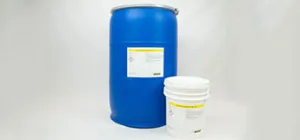
AxxaWash™ KF-121 is a low foam, alkaline, water-based metal cleaner that effectively removes light to medium-duty hydrocarbon soils from ferrous substrates. Additionally, it also serves as the ideal metal cleaner for applications requiring low temperatures.
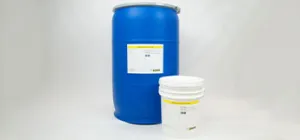
AxxaWash™ KF-122 is a low-foaming, heavy-duty alkaline, water-based cleaner compatible with very hard water in a wide range of operating temperatures. Additionally, it also maintains low foaming under spray conditions.
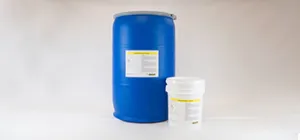
ZERUST®/EXCOR® AxxaWash™ KF-123 is a low-foaming, mildly alkaline, high-performance water-based industrial parts washer that is designed for cleaning ferrous substrates. In addition, AxxaWash™ KF-123 provides flash-rust inhibition.
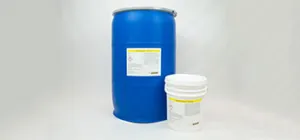
AxxaWash™ KF-124 is a low-foaming, mildly alkaline, water-based degreaser & cleaner with low operating temperatures. In addition to cleaning, AxxaWash™ KF-124 provides flash-rust inhibition.
AxxaWash™ KMS-220 is a low foam, low temperature, mildly alkaline water-based part cleaner with excellent oil-splitting capabilities. In addition, AxxaWash™ KMS-220 provides flash-rust inhibition.
AxxaWash™ KMS-305AL is a low foam, low temperature, alkaline water-based aluminum part cleaner designed for use with aluminum and ferrous metals in spray systems with its excellent oil-splitting capabilities.
AxxaWash™ KMS-310AL is a low-foaming, alkaline, water-based aluminum and ferrous cleaner that’s designed to be used in immersion, ultrasonic, spray, or drum washer processes.
AxxaWash™ NW-10C is a mildly alkaline, water-based preservation cleaner with a wide range of operating temperatures. In addition to flash-rust inhibition, it also removes and deactivates sources of corrosion such as chlorides, oils, and contaminants.
AxxaWash™ NW-12C is a mildly alkaline, water-based ultrasonic cleaning solution with a wide range of operating temperatures. In addition, it can be used in immersion and spray cleaning modes.
Axxatec™ DA-23C is a dual-action water-based rust preventative and cleaner with low or no foaming that is designed to provide short-term rust protection and light-duty cleaning.
Axxatec™ DA-24C is a dual-action water-based yellow metal rust preventative and cleaner with low or no foaming that is designed to provide short-term rust protection and light-duty cleaning.
Axxatec™ DA-40AL is a dual-action aluminum rust preventative and cleaner with low foaming that is designed to provide short-term rust protection and light-duty cleaning.

 Degreasers and Corrosion Considerations Before Painting
 Degreasers and Corrosion Risks in Welding and Fabrication
 Degreasers and Corrosion Control Before Rust Prevention Coatings