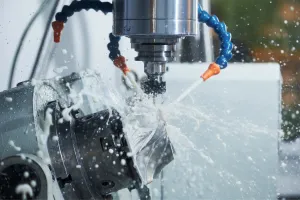
Metalworking fluids such as washes, rinses, machining coolants, lubricants, and rust preventatives are essential in industrial manufacturing. However, proper metalworking fluid filtration is just as important as the fluid itself because it helps control contamination, maintain performance, and reduce corrosion risk. When filtration is overlooked, debris and fines can quickly degrade fluid health, shorten sump life, and increase the chance of rust on parts and equipment.
Why Proper Metalworking Fluid Filtration Matters
During normal manufacturing operations, a wide range of contaminants can enter metalworking fluids. Over time, these contaminants accumulate and begin to interfere with fluid performance.
Common sources of particulate contamination include:
Dirt and dust from the surrounding environment
Fibers from rags, wipes, or packaging materials
Plastic particles from components or fixtures
Metal fines and swarf generated during machining
Without proper metalworking fluid filtration, these contaminants can cause several operational problems.
These include:
Clogged or damaged spray nozzles
Faster depletion of corrosion-inhibiting chemistry in the fluid
Surface damage on precision components with tight tolerances
Increased corrosion risk due to longer wetness time and galvanic interactions
As contamination builds, the metalworking fluid becomes less effective at protecting parts and maintaining process stability.
How Contaminated Fluids Increase Corrosion Risk Without Proper Filtration
Particulate contamination does more than disrupt machining processes. It can also increase the likelihood of corrosion.
Particles suspended in the fluid can trap moisture against metal surfaces and create localized electrochemical reactions. In addition, contamination often accelerates the consumption of corrosion inhibitors that are already present in the fluid.
When corrosion inhibitors are depleted too quickly, metal components may remain wet for longer periods without adequate protection. This environment can lead to staining, rust formation, or surface degradation.
For manufacturers producing precision parts or critical components, even small corrosion defects can result in rejected shipments, rework, or costly delays.
See How Fluid Concentration Can Drive Corrosion
Learn how concentration changes in metalworking fluids can affect corrosion risk and what to watch for in your process.
Demonstrating the Value of Proper Metalworking Fluid Filtration
To demonstrate the impact of proper metalworking fluid filtration, a machining coolant sample was collected from a poorly maintained system.
The sample was divided into two portions:
One portion remained contaminated
One portion was filtered to remove particulate contamination
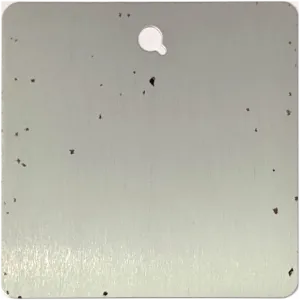
Steel panels were then coated with each fluid and placed in an accelerated corrosion testing environment following IEC 60068-2-30 humidity testing conditions.
After one week, the difference between the two panels was significant. The panel exposed to the contaminated fluid showed clear signs of corrosion. The panel coated with the properly filtered fluid performed much better and exhibited far less corrosion.
This comparison illustrates how proper metalworking fluid filtration can directly reduce corrosion risk and improve manufacturing outcomes.
Figure 1 – Panel coated with a machining coolant collected from the sump, then placed in an accelerated corrosion testing environment for one week.
Figure 2 – Panel coated with a machining coolant after properly filtered, then placed in an accelerated corrosion testing environment for one week.
Best Practices for Maintaining Metalworking Fluids
To maintain fluid performance and reduce corrosion risks, manufacturers should implement several best practices:
Routinely monitor fluid contamination levels
Implement appropriate filtration systems
Remove accumulated swarf and debris regularly
Maintain correct fluid concentration levels
Perform scheduled fluid audits and system inspections
By integrating these practices into routine maintenance procedures, manufacturers can extend fluid life and improve overall process reliability.
Need Help Improving Your Metalworking Fluid Filtration Process?
If corrosion or contamination is affecting your process, the ZERUST® team can help evaluate your metalworking fluids, filtration practices, and corrosion risks to identify the most effective solutions.
Improve Corrosion Control with ZERUST® Filtration Support
If your manufacturing facility is experiencing corrosion issues, poor fluid performance, or contamination challenges, ZERUST® can help.
Our corrosion specialists work with your team to analyze your current processes and identify opportunities for improvement. This includes evaluating metalworking fluid management practices and proper metalworking fluid filtration strategies.
ZERUST® services may include:
Metalworking fluid audits
Corrosion risk analysis
VCI packaging process evaluations
Environmental data logging and analysis
Implementation of corrosion prevention solutions
Our goal is to provide the right products, processes, and procedures so your operation can achieve consistent, corrosion-free results.
Contact ZERUST® today to discuss how our corrosion management experts can help optimize your manufacturing processes and reduce corrosion related costs.
Take Control of Corrosion with the ZERUST® Z-CIS® Approach
Effective corrosion prevention requires more than a single product. The ZERUST® Z-CIS® approach combines expert analysis, proven corrosion prevention technologies, and process improvements to help manufacturers reduce corrosion risk, extend fluid life, and improve overall reliability.
Daniel Neuburger is the Technical Service Manager at ZERUST®, where he specializes in developing tailored corrosion prevention solutions that address complex challenges across a wide range of industrial applications.
In his role, Daniel works directly with manufacturers, engineers, and maintenance teams to evaluate corrosion risks, assess environmental conditions, and design practical strategies that protect metal assets throughout production, storage, and shipment. His hands-on approach ensures that corrosion control solutions are not only technically effective but also easy to implement in real-world operating environments.
Daniel has extensive experience supporting industries such as manufacturing, transportation, heavy equipment, and infrastructure. He provides guidance on the use of ZERUST® Vapor Corrosion Inhibitor (VCI) packaging, rust preventative coatings, and water-based corrosion control technologies to help organizations improve reliability, extend equipment lifespan, and reduce costly downtime.
A key focus of Daniel’s work is helping customers enhance operational efficiency while minimizing material waste and supporting sustainability goals. By optimizing corrosion prevention programs, he helps organizations reduce rework, lower maintenance costs, and improve overall productivity.
Known for his problem-solving mindset and technical expertise, Daniel collaborates closely with customers to troubleshoot corrosion issues, refine processes, and deliver measurable results. Through his contributions to the ZERUST® blog, he shares practical insights, application-driven guidance, and best practices that help readers strengthen their corrosion prevention strategies and protect valuable assets across global operations.
Need Help Solving a Corrosion Challenge?
Connect with ZERUST® experts to develop customized corrosion prevention strategies that improve performance and protect your assets.
AxxaWash™ KF-121 is a low foam, alkaline, water-based metal cleaner that effectively removes light to medium-duty hydrocarbon soils from ferrous substrates. Additionally, it also serves as the ideal metal cleaner for applications requiring low temperatures.
AxxaWash™ KF-122 is a low-foaming, heavy-duty alkaline, water-based cleaner compatible with very hard water in a wide range of operating temperatures. Additionally, it also maintains low foaming under spray conditions.
ZERUST®/EXCOR® AxxaWash™ KF-123 is a low-foaming, mildly alkaline, high-performance water-based industrial parts washer that is designed for cleaning ferrous substrates. In addition, AxxaWash™ KF-123 provides flash-rust inhibition.
AxxaWash™ KF-124 is a low-foaming, mildly alkaline, water-based degreaser & cleaner with low operating temperatures. In addition to cleaning, AxxaWash™ KF-124 provides flash-rust inhibition.
AxxaWash™ KMS-220 is a low foam, low temperature, mildly alkaline water-based part cleaner with excellent oil-splitting capabilities. In addition, AxxaWash™ KMS-220 provides flash-rust inhibition.
AxxaWash™ KMS-305AL is a low foam, low temperature, alkaline water-based aluminum part cleaner designed for use with aluminum and ferrous metals in spray systems with its excellent oil-splitting capabilities.
AxxaWash™ KMS-310AL is a low-foaming, alkaline, water-based aluminum and ferrous cleaner that’s designed to be used in immersion, ultrasonic, spray, or drum washer processes.
AxxaWash™ NW-10C is a mildly alkaline, water-based preservation cleaner with a wide range of operating temperatures. In addition to flash-rust inhibition, it also removes and deactivates sources of corrosion such as chlorides, oils, and contaminants.
AxxaWash™ NW-12C is a mildly alkaline, water-based ultrasonic cleaning solution with a wide range of operating temperatures. In addition, it can be used in immersion and spray cleaning modes.