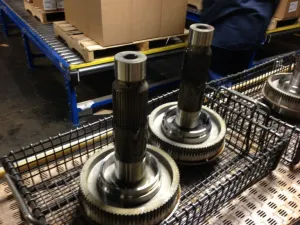
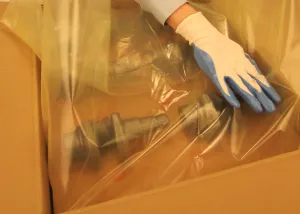
Rust inhibitors are designed to prevent new corrosion, not remove rust that has already formed. If rust develops before applying a rust inhibitor, proper surface preparation is critical to ensure long-term protection and avoid trapping corrosion under the protective layer.
Why Rust Must Be Removed First
Applying a rust inhibitor directly over existing rust can significantly reduce its effectiveness. Furthermore, rust is porous and often retains moisture, salts, and corrosive residues. If these contaminants are sealed in, corrosion may continue beneath the inhibitor and accelerate damage rather than prevent it.
This is why understanding what to do if rust develops before applying a rust inhibitor is essential for effective corrosion control.
Step 1: Remove Existing Rust Completely
If rust is present, it should be fully removed before any inhibitor is applied. Common rust removal methods include:
- Mechanical removal, such as wire brushing, sanding, or blasting
- Chemical rust removers that dissolve corrosion without damaging the base metal
- Rust cleaning solutionsare designed to penetrate cracks, seams, and crevices
Products in the ZERUST® AxxaClean™ series are specifically formulated to remove rust and corrosion residues, even in hard-to-reach areas, helping restore the metal surface for proper protection.
Review how to correctly prepare metal surfaces using ZERUST® rust removers before applying corrosion protection.
Step 2: Clean and Dry the Metal Surface
After rust removal, the metal must be thoroughly cleaned and visibly dry. Any remaining moisture, cleaner residue, or debris can interfere with inhibitor performance.
This step is critical because even trace moisture left behind can lead to flash rust or reduce the lifespan of the applied rust inhibitor.
Step 3: Apply the Correct ZERUST® Rust Inhibitor
Once the surface is clean and dry, apply a ZERUST® rust inhibitor that matches:
- The metal type
- The storage or operating environment
- The required protection duration
- Compatibility with packaging or downstream processes
At this stage, the inhibitor can form a continuous protective layer that blocks moisture and corrosive agents from reaching the metal surface.
Learn proper application techniques, surface preparation steps, and best practices to maximize protection using ZERUST® rust inhibiting coatings.
What to Do if Rust Appears Before Applying a Rust Inhibitor
If rust appears unexpectedly during storage, handling, or processing, do not apply a rust inhibitor immediately. Instead:
- Stop the corrosion process by removing rust first
- Clean and dry the surface thoroughly
- Reapply protection using a suitable ZERUST® rust inhibitor
Applying inhibitors directly to rusted surfaces can reduce their effectiveness and may trap moisture, actually accelerating corrosion instead of preventing it.
Get detailed guidance on rust removal methods, inhibitor chemistries, and how to choose the right ZERUST® solution for your application.

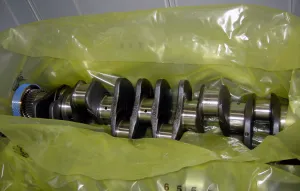


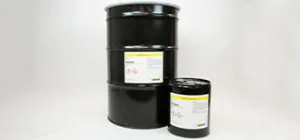
Axxanol™ 33 is a rust preventative oil that forms a light oily film, providing powerful corrosion protection against aggressive environments such as salt air and humidity.
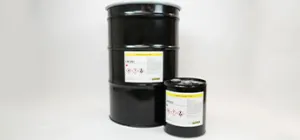
Axxanol™ 34CD is a solvent-based coating that forms a very light, oily, near dry-to-touch rust preventative film that provides powerful corrosion protection against aggressive environments.
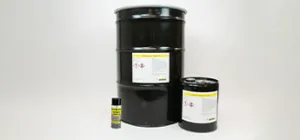
Axxanol™ A35CD-32 is a solvent-based, non-staining rust preventative that forms a clear, thin, near dry-to-touch RP film. As a result, it provides powerful corrosion protection against aggressive environments, such as salt air and humidity.
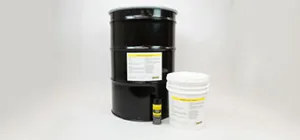
Axxanol™ Spray-G is a sprayable rust preventative grease that provides the protection of a grease in the convenience of a sprayable form. It’s designed to protect metal parts, equipment, and assemblies during long-term indoor and outdoor storage and challenging overseas shipping applications where a removable coating is essential.
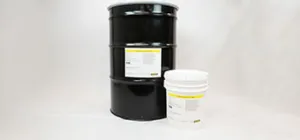
Axxanol™ Z-Maxx Anti-Corrosion Grease Series consists of two products, Axxanol™ Z-Maxx and Z-Maxx LV. Z-Maxx is a thick NLGI 2 grease and is also offered as a lower viscosity (LV) NLGI 0 grease that is designed for spreadability and light lubrication properties.
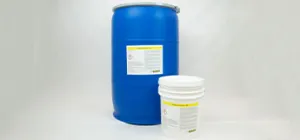
Axxatec™ 30C is a water-based rust Inhibitor designed to provide short-term indoor storage and in-transit protection. In addition to the corrosion protection offered, Axxatec™ 30C may also be used as a light-duty cleaner-rust preventative combination product.
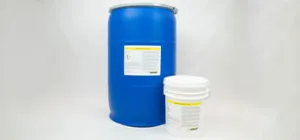
Axxatec™ 80C is a water-based liquid concentrate rust preventative designed to provide long-lasting protection during indoor storage, shipping, and assembly.
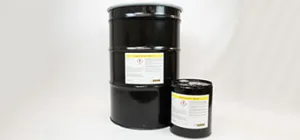
AxxaCoat™ 90B HFS is a sprayable high-flash outdoor rust preventative coating designed to protect metal parts and assemblies during long-term indoor and outdoor storage and challenging overseas shipping applications.