What VCI Packaging Will Not Do
It is important to understand the limitations of VCI packaging for corroded parts:
- VCI does not clean or remove rust
- VCI does not restore pitted or damaged metal
- VCI does not reverse corrosion that has already formed
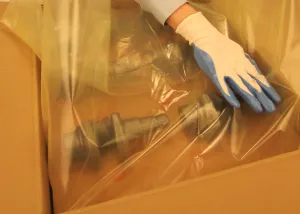
VCI should be viewed as a corrosion control and prevention solution, not a rust removal method.
Best Practices Before Using VCI Packaging on Corroded Parts
To achieve the best results when packaging already corroded components, consider the following steps:
- Assess the severity of corrosion: Light surface rust may be stabilized, while heavy corrosion should be treated first.
- Remove rust when possible: Mechanical cleaning or rust removers can restore metal surfaces before packaging.
- Ensure parts are dry and free of corrosive residues: Trapped moisture or salts can continue to drive corrosion even inside packaging.
- Select the correct ZERUST® VCI product: Film, paper, emitters, or combinations may be recommended depending on storage duration and environment.
Following these steps allows VCI packaging to protect clean metal surfaces more effectively after rust treatment.
When VCI Packaging for Corroded Parts Is Most Useful
VCI packaging is especially valuable when:
- Parts must be shipped or stored before rust removal is possible
- Corrosion has been stabilized but not fully remediated
- Cleaned components need protection after rust removal
- Temporary storage is required between processing steps
In these situations, VCI helps prevent additional corrosion damage while preserving the current condition of the part.
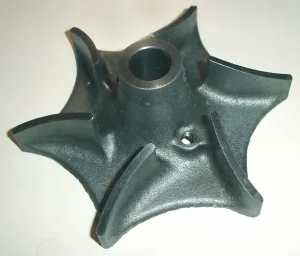
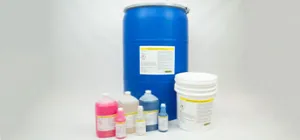
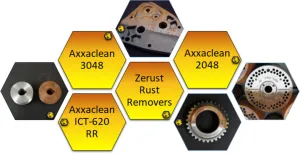
AxxaClean™ 2048 is a moderate-acting (nonhazardous) safe rust remover designed to eliminate medium rust and tarnish, even in the most hard-to-reach cracks and crevices. Additionally, it is mildly acidic (about 2.5 pH), similar to a soda drink that cleans and deoxidizes ferrous metals, brass, copper, and various alloys without leaving a gray residue.
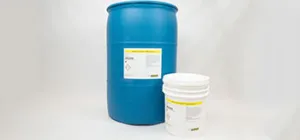
AxxaClean™ 3048 is a rapid-acting industrial rust remover designed to eliminate heavy rust and tarnish, even in the most hard-to-reach cracks and crevices. Additionally, AxxaClean™ 3048 effectively cleans ferrous and yellow metals of rust and tarnish, and with a pH of around 1, it minimizes disposal concerns.