The difference between a
rust inhibitor and rust converter comes down to prevention versus repair. A rust inhibitor is designed to stop corrosion before it starts. These products protect clean metal surfaces by forming a barrier or releasing
corrosion-inhibiting chemistry that blocks moisture, oxygen, and corrosive contaminants.In contrast, a rust converter is used after corrosion has already formed. It chemically reacts with existing rust and converts it into a more stable compound that can be painted over or sealed.
In short, rust inhibitors prevent corrosion, while rust converters treat existing rust.
Rust Inhibitor vs Rust Converter
When comparing a rust inhibitor vs rust converter, the most important factor is the condition of the metal.
- Rust inhibitors are ideal for clean, dry, or freshly processed metal parts. They are commonly used during manufacturing, storage, and shipment to prevent rust from forming in the first place.
- Rust converters are best suited for heavily corroded surfaces that cannot be fully cleaned. They stabilize rust but do not restore the original metal surface.
Because of this, rust inhibitors are preferred in controlled industrial environments, while rust converters are typically used in maintenance or restoration scenarios.
Rust Inhibitor vs Rust Remover
The comparison between rust inhibitor vs rust remover highlights another key distinction.
- A rust remover eliminates rust by dissolving it using acidic or chelating chemistry. This process removes corrosion but also exposes bare metal, which can quickly flash rust if left unprotected.
- Rust inhibitors, on the other hand, do not remove rust. Instead, they protect metal surfaces before corrosion begins and help maintain surface integrity over time.
As a result, rust removers are often followed by a rust inhibitor to prevent corrosion from returning.
Rust Converter vs Rust Remover
The difference between a rust converter vs rust remover lies in how each product treats corrosion.
Rust removers physically remove rust from the metal surface. This leaves clean metal that typically requires immediate protection.
Rust converters chemically change rust into a stable layer that remains on the surface. While this slows further corrosion, it does not provide long-term protection on its own.
Neither option replaces the need for a rust inhibitor when long-term corrosion prevention is required.
Remove Existing Rust Effectively
When rust is already present, ZERUST rust removers help eliminate corrosion and prepare metal surfaces for proper protection and finishing.
View Rust Removers
When Should You Use a Rust Inhibitor?
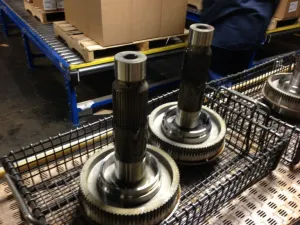
Rust inhibitors are best used when metal parts are clean and corrosion-free. They are commonly applied:
• After machining or washing
• Before storage or shipment
• During work in progress, manufacturing stages
• Inside enclosed spaces where moisture control is needed
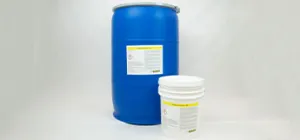
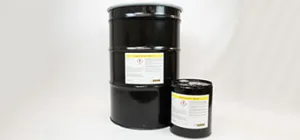
Products such as ZERUST® Axxanol™, Axxatec™, and AxxaCoat™ solutions use proven corrosion-inhibiting technology to protect metal surfaces before rust can form.
Choosing the Right Rust Protection Solution
Understanding the difference between rust inhibitor and rust converter helps ensure the correct product is used for each application.
If rust is already present, a rust remover or converter may be needed first. However, once the metal surface is restored or cleaned, a rust inhibitor is essential to prevent corrosion from returning.
For best results, many industrial corrosion strategies combine cleaning, rust removal if needed, and preventative rust inhibitors as the final protection step.
Prevent Rust Before It Starts
For long-term corrosion prevention, ZERUST® Axxanol™, Axxatec™, and AxxaCoat™ rust inhibitors protect metal surfaces before rust can form and help maintain part quality during storage, processing, and shipment.
View Rust Inhibitor Products