Factors That Affect Application Performance
When learning how to apply rust inhibitors effectively, consider these key variables:
- Metal type and surface condition
- Storage or shipping duration
- Environmental exposure, such as humidity or salt air
- Compatibility with downstream processes like welding, coating, or assembly
Reviewing the product technical data sheet helps ensure the selected inhibitor aligns with your operational needs.
How to Remove Rust Inhibitors
Knowing how to remove rust inhibitors is just as important as applying them. ZERUST® rust inhibitors are formulated for easy removal without damaging metal surfaces.
Typical removal methods include:
- Mild alkaline cleaners
- Water-based detergents
- Compatible solvents
In many cases, simple washing or wiping is sufficient. Removal requirements depend on the inhibitor type and the next process step. For example, parts heading to painting or plating may require more thorough cleaning, while components going directly into service may not need removal at all.
Always follow the specific removal recommendations listed in the product technical data sheet for best results.
Need a Compatible Cleaner to Remove Your Rust Inhibitor?
Not all cleaners are compatible with corrosion protection products. Visit the ZERUST® AxxaWash™ industrial cleaners page to find a proven solution designed to safely and effectively remove rust inhibitors without damaging metal surfaces.
Best Practices for Application and Removal
To ensure optimal protection and efficiency:
- Apply rust inhibitors only to clean, dry metal surfaces
- Match the inhibitor type to your storage or shipping conditions
- Confirm removal requirements before downstream processing
- Validate compatibility with cleaners, coatings, and lubricants
These best practices help prevent rework and ensure corrosion protection performs as intended.
Want Step-by-Step Guidance on Applying Rust Inhibiting Coatings?
View the How to use ZERUST® Rust Inhibiting Coatings handout for clear application tips, coverage guidance, and best practices to achieve consistent corrosion protection.
Learn More About ZERUST® Rust Inhibitor Solutions
For a deeper look at application methods, removal guidance, and available product options, we encourage you to review the ZERUST® Corrosion Inhibitor Liquids, Additives, and Rust Removers Brochure. This resource provides detailed product comparisons, use cases, and technical insights to help you choose the right solution.
Ready to explore application methods, removal guidance, and available rust inhibitor solutions in more detail? Review the ZERUST® Corrosion Inhibitor Liquids, Additives, and Rust Removers Brochure for product comparisons, use cases, and technical insights.


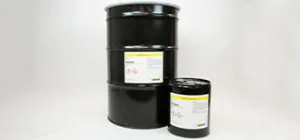
Axxanol™ 33 is a rust preventative oil that forms a light oily film, providing powerful corrosion protection against aggressive environments such as salt air and humidity.
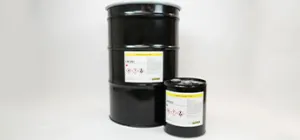
Axxanol™ 34CD is a solvent-based coating that forms a very light, oily, near dry-to-touch rust preventative film that provides powerful corrosion protection against aggressive environments.
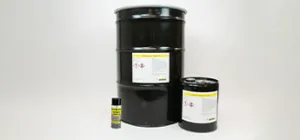
Axxanol™ A35CD-32 is a solvent-based, non-staining rust preventative that forms a clear, thin, near dry-to-touch RP film. As a result, it provides powerful corrosion protection against aggressive environments, such as salt air and humidity.
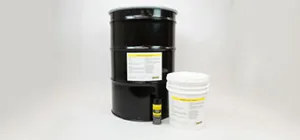
Axxanol™ Spray-G is a sprayable rust preventative grease that provides the protection of a grease in the convenience of a sprayable form. It’s designed to protect metal parts, equipment, and assemblies during long-term indoor and outdoor storage and challenging overseas shipping applications where a removable coating is essential.
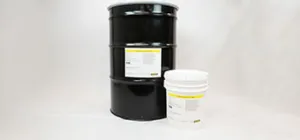
Axxanol™ Z-Maxx Anti-Corrosion Grease Series consists of two products, Axxanol™ Z-Maxx and Z-Maxx LV. Z-Maxx is a thick NLGI 2 grease and is also offered as a lower viscosity (LV) NLGI 0 grease that is designed for spreadability and light lubrication properties.
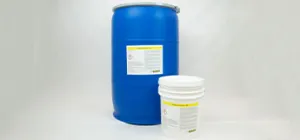
Axxatec™ 30C is a water-based rust Inhibitor designed to provide short-term indoor storage and in-transit protection. In addition to the corrosion protection offered, Axxatec™ 30C may also be used as a light-duty cleaner-rust preventative combination product.
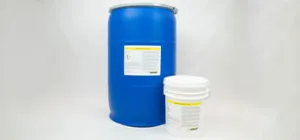
Axxatec™ 80C is a water-based liquid concentrate rust preventative designed to provide long-lasting protection during indoor storage, shipping, and assembly.
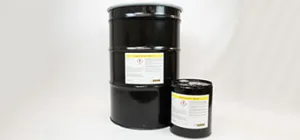
AxxaCoat™ 90B HFS is a sprayable high-flash outdoor rust preventative coating designed to protect metal parts and assemblies during long-term indoor and outdoor storage and challenging overseas shipping applications.