
Page 3 of 3
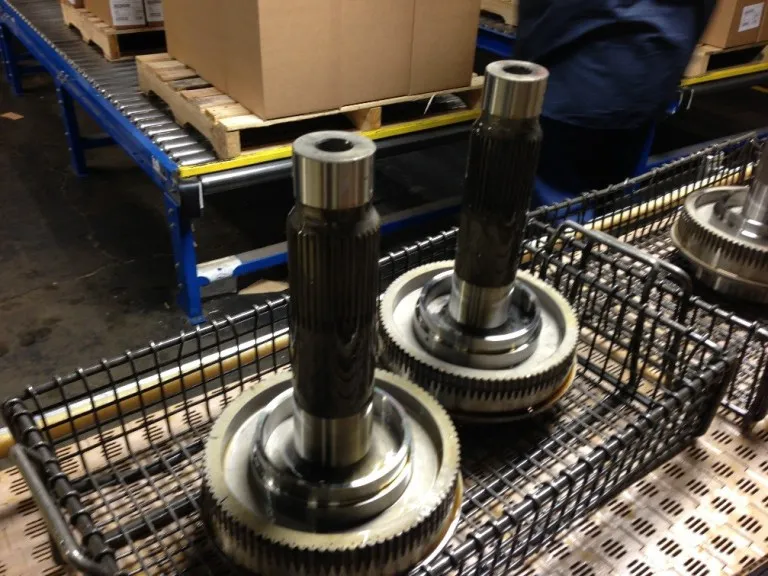
RP Oils or VCIs: Which Protection Method is Best for Me?
When evaluating corrosion protection options, one of the most common questions engineers and operations teams ask is: RP Oils or VCIs? Which protection method is best for my application? Both methods are widely used across manufacturing, metalworking, and export packaging environments. However, choosing between RP oils or VCIs depends on your process, performance expectations, handling requirements,
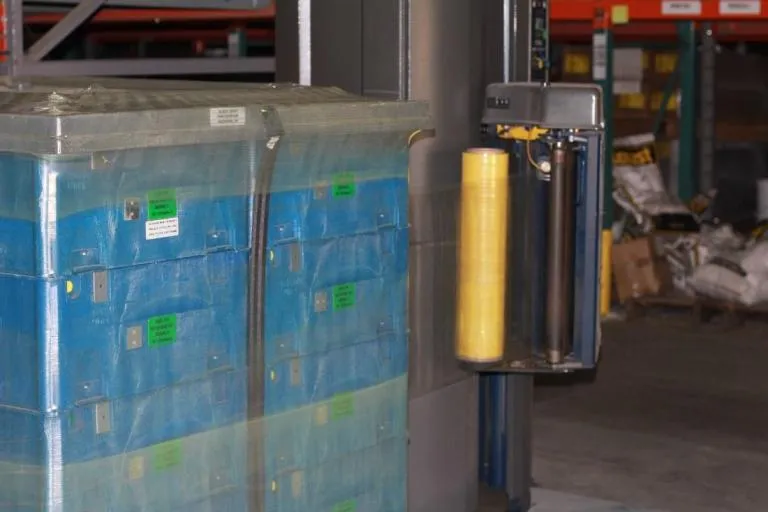
What is the Difference Between VCI Shrink and VCI Stretch Wrap?
When protecting metal parts for shipment or storage, choosing the right packaging matters. Two commonly used options are VCI shrink wrap and VCI stretch wrap. While both contain Vapor Corrosion Inhibitor (VCI) technology, they serve different purposes. If you’re unsure whether VCI shrink wrap or VCI stretch film is right for your application, this guide
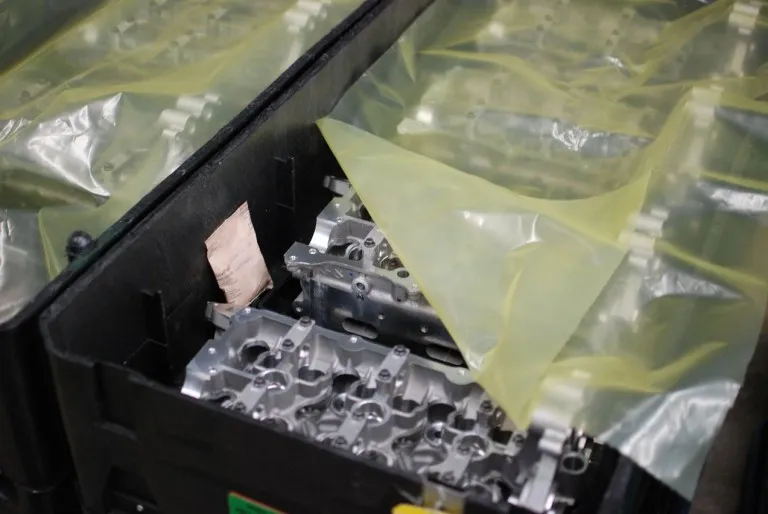
Corrosion Prevention: When to Use VCI Diffusers with VCI Packaging
When evaluating VCI diffusers with VCI packaging, many manufacturers ask: Do I need both? While VCI films, bags, and paper provide reliable corrosion protection in sealed environments, certain applications require additional vapor support. Understanding when to combine Vapor Corrosion Inhibitor (VCI) packaging and VCI diffusers can prevent rust in large enclosures, complex assemblies, electrical panels,
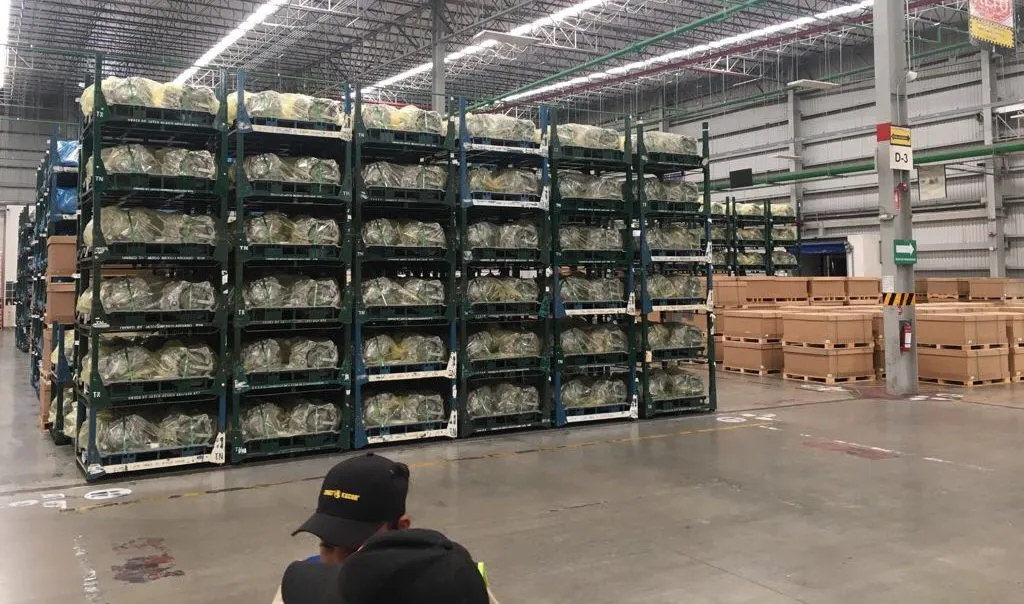
VCI Poly vs VCI Paper? The Advantages and Disadvantages Explained
When comparing VCI Poly vs VCI Paper, it is important to understand how each material evolved and how performance differences affect real-world corrosion protection. Vapor Corrosion Inhibitors, or VCIs, have been used since the 1940s, but not all VCI delivery methods perform the same. This guide explains the advantages and disadvantages of VCI Poly vs
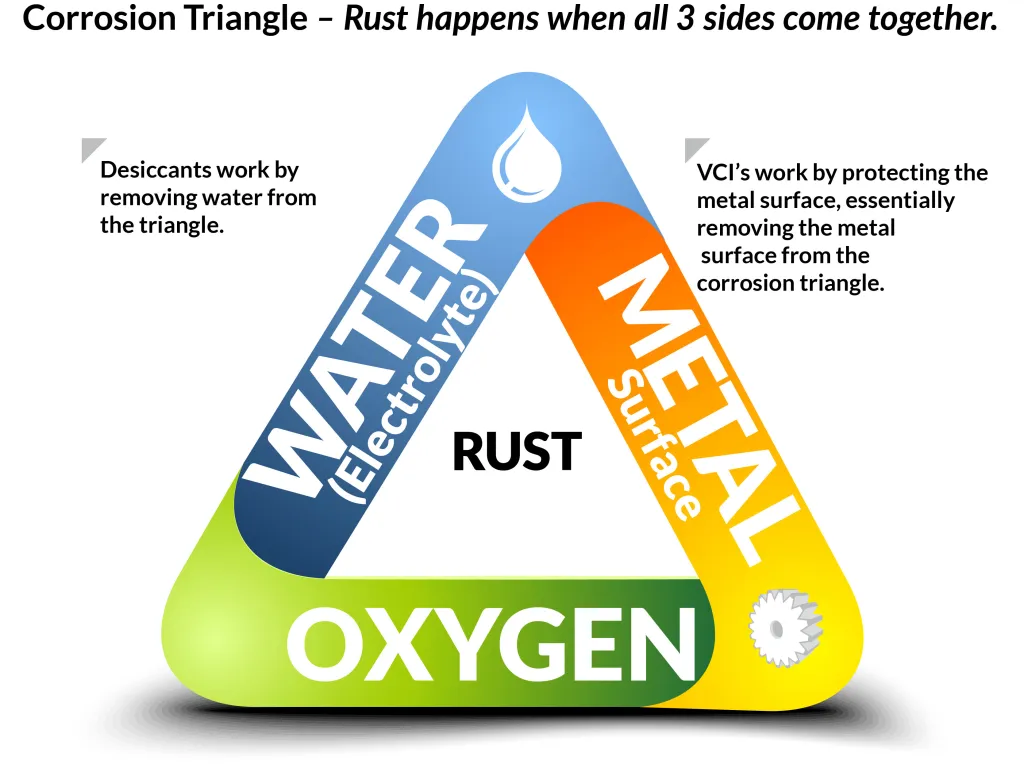
VCIs vs Desiccants. How do they Differ?
When evaluating VCI vs desiccants for corrosion protection, it’s important to understand the difference between VCI and desiccants, because moisture control and corrosion inhibition are not the same thing. While desiccants absorb humidity, Vapor Corrosion Inhibitors (VCI) actively protect metal surfaces inside sealed packaging. Furthermore, choosing the wrong method can lead to rust, warranty claims,
