

Corrosion Prevention for Power Generation: Protecting Critical Equipment
Power generation facilities operate in harsh and demanding environments, making corrosion prevention for power generation a critical concern. As a result, components in biomass energy plants, hydroelectric power plants, solar power energy systems, geothermal facilities, and wind power systems face continuous exposure to moisture, fluctuating temperatures, airborne contaminants, and harsh chemicals. If left unchecked, corrosion

Hydrostatic Pressure Testing vs. Pneumatic Pressure Testing: Choosing the Right Method for Your Pressure Vessel
When evaluating the integrity and safety of pressurized systems, two widely used methods are pneumatic and hydrostatic pressure testing. For industries that rely on pressure vessels, heat exchangers, fire protection systems, and other critical equipment, maintaining asset integrity during hydrostatic testing is essential. Selecting the right method can ensure safety, accuracy, and cost-efficiency. This blog
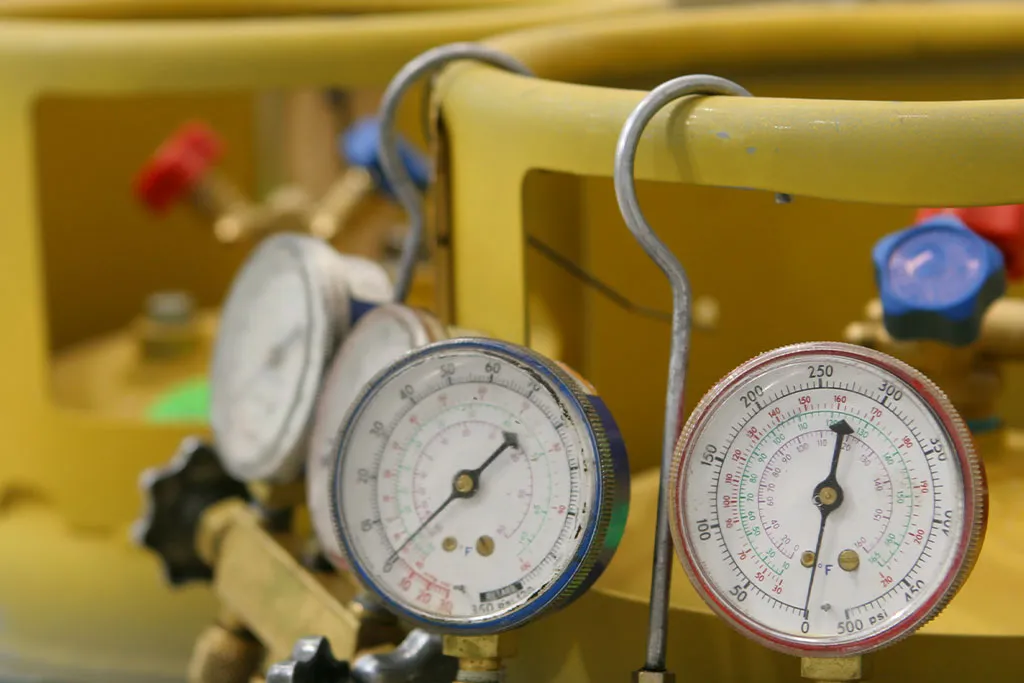
Comprehensive Guide to Hydrostatic Testing: Definition, Process, Advantages, and Corrosion Protection Solutions
What is Hydrostatic Testing? Hydrostatic testing is a widely used method for verifying the structural integrity of pressure vessels, heat exchangers, and other pressurized equipment. During a hydrostatic test, technicians fill the component with water or another testing fluid and raise the pressure to confirm the system can safely withstand operational stresses. A properly executed
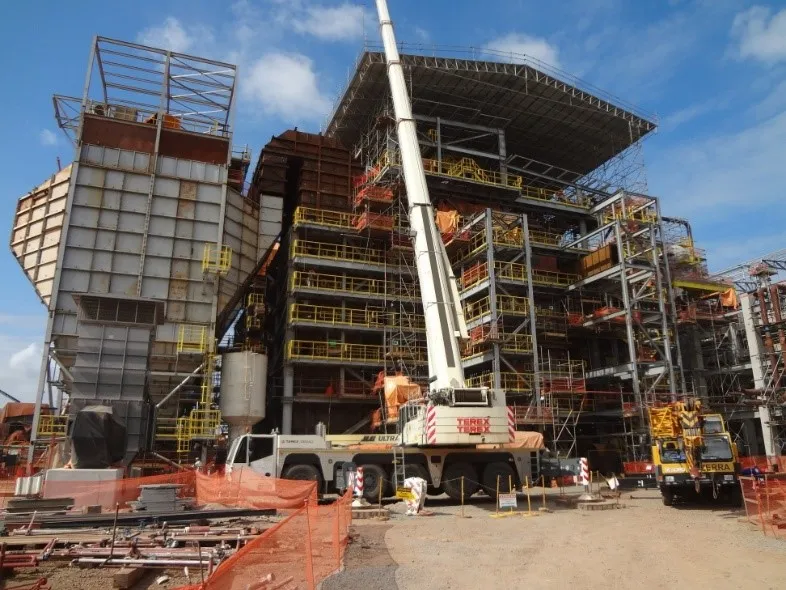
AxxaVis™ HST-10 – An Environmentally Friendly and Effective Hydrostatic Testing Additive
Industry professionals widely perform hydrostatic testing as a standard method to verify the structural integrity and leak-tightness of pressure vessels. These include pipes, plumbing systems, gas cylinders, boilers, storage tanks, and fuel tanks. Testing these vessels is critical, especially when they are intended to transport or store gases. This is because failure under pressure can
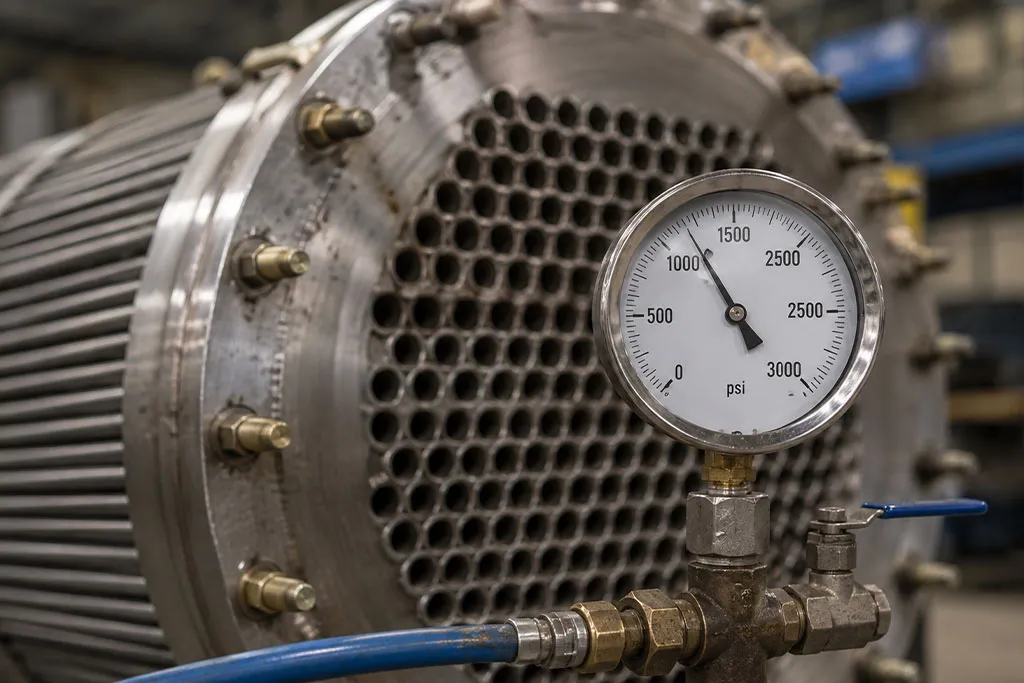
Corrosion Solutions for Hydrostatic Testing: Protecting Pressure Vessels from Rust and Scaling
Hydrostatic testing is a critical process for verifying the integrity of pressure vessels such as pipes, heat exchangers, storage tanks, and ship voids. However, without proper corrosion control, this necessary testing step can introduce new risks. That is why selecting the right Corrosion Solutions for Hydrostatic Testing is essential to protect assets during and after
