 After opening a corrugated box to retrieve a spare part, you discover unexpected rust on the metal surface. The component was dry when packaged, and the box appears intact. Naturally, you begin to wonder: Does Corrugated Affect Corrosion?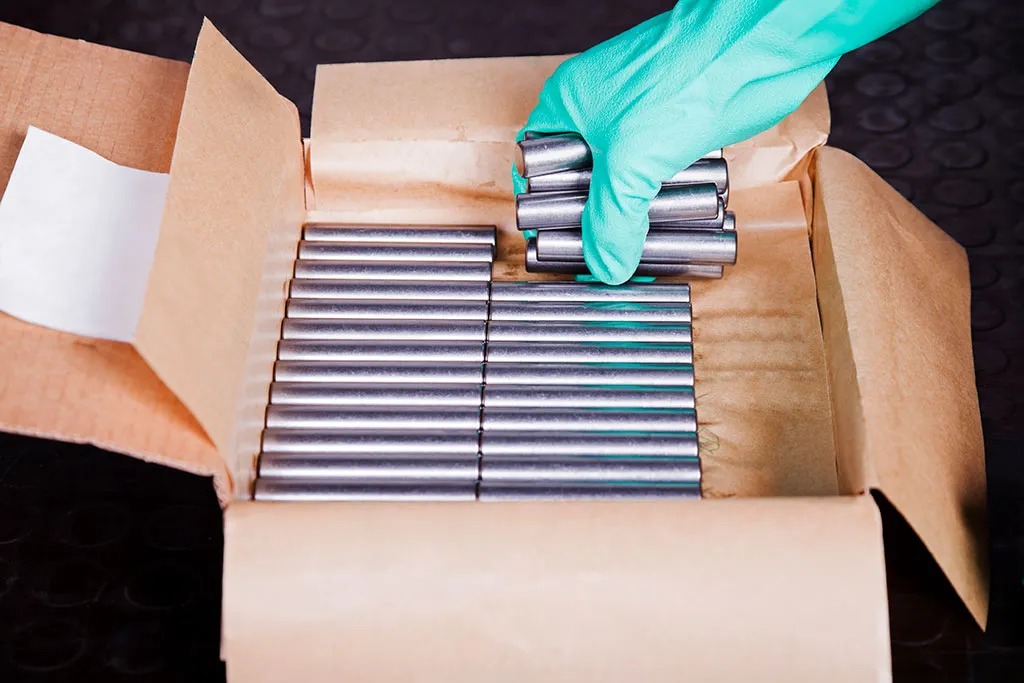

ICT®510-C VCI Film provides cost-effective and versatile protection against rust and corrosion damage for metal assets in shipping and storage. Additionally, it’s available in ferrous, non-ferrous, and multimetal formulations, as well as various-sized rolls, sheets, tubing, and bags.
ICT®510-C Ferrous VCI Film provides cost-effective and targeted protection against rust damage for ferrous metals, such as steel, iron, and cast iron in shipping, storage, and work-in-progress.
ICT®510-C VCI Multimetal Film provides cost-effective and versatile protection against rust and corrosion damage for ferrous and non-ferrous metals in shipping, storage, and work-in-progress.
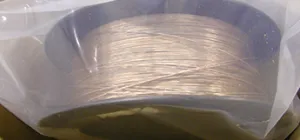
ICT®510-C Non-ferrous VCI Film provides cost-effective and versatile protection against corrosion damage for non-ferrous metals such as aluminum, copper, brass, and bronze, in shipping, storage, and work-in-progress.

ICT® VCI Poly Bags provide convenient and proven protection against corrosion damage for metals in shipping and storage. In addition, they are available in ferrous, non-ferrous, anti-tarnish, and multimetal protection types and various zipper, flat, and gusseted sizes.
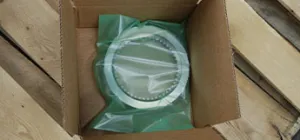
ICT® Flat VCI Poly Bags provide convenient and proven protection against corrosion damage for metals in shipping and storage. In addition, they are available in ferrous, non-ferrous, anti-tarnish, and multimetal protection types.

ICT® Gusset VCI Bags provide convenient and proven protection against corrosion damage for metals in shipping and storage. In addition, they are available in ferrous, non-ferrous, anti-tarnish, and multimetal protection types and gusseted sizes ranging from two inches up to 150 inches.
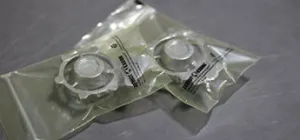
ICT® Zipper VCI Bags provide convenient and proven protection against corrosion damage for metals in shipping and storage. In addition, they are available in ferrous, non-ferrous, anti-tarnish, and multimetal protection types.
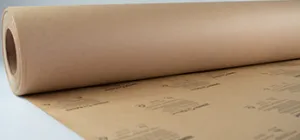
ICT®420 is an acid-free, pH-neutral, and non-abrasive VCI kraft paper that merges the practicality and cost-efficiency of paper-based packaging with advanced corrosion protection. Consequently, it streamlines the preservation of metals during work-in-progress, shipping, and storage.

ICT®420-35P VCI Poly Kraft Paper is an acid-free, pH-neutral, and non-abrasive kraft paper coated with a one-mil thick ZERUST® ICT® polyethylene layer containing Vapor Corrosion Inhibitors (VCIs). As a result, providing the kraft paper with increased tear and moisture resistance, making it an efficient and cost-effective solution for the corrosion protection of ferrous metals during work-in-progress, shipping, and storage.
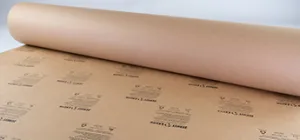
ICT®427 is an acid-free, pH-neutral, and non-abrasive premium VCI paper formulated to provide robust corrosion protection for demanding situations—such as high humidity and challenging metal parts during work-in-progress, shipping, and storage.

ICT®430-35SR VCI Scrim Paper is an acid-free, pH-neutral, and non-abrasive VCI kraft paper that’s scrim-reinforced (3/4 mil polyethylene layer and fiberglass scrim). As a result, providing effective corrosion protection with the convenience and affordability of a paper wrapping product with superior strength that avoids ripping and tearing during work-in-progress, shipping, and storage.
ICT®432-35P is an acid-free, pH-neutral, and non-abrasive VCI kraft paper coated with a 3/4 mil plain polyethylene layer. As a result, providing the kraft paper with increased tear and moisture resistance, making it an efficient and cost-effective solution for the corrosion protection of multiple metal types during work-in-progress, shipping, and storage.

ICT®420-170 are acid-free, pH-neutral, and non-abrasive 170# VCI kraft paper sheets cut into 1” x 1” and 2″ x 2″ VCI chips. Additionally, their small, thin shape makes them perfect for protecting critical surfaces within narrow or hard-to-reach areas of parts or equipment or as a supplement to other ZERUST® VCI packaging products for added protection.

ZERUST® VCI Kraft Paper Sheets are available in various product types, including ICT®420, ICT®420-35P, ICT®427, ICT®430-35SR, and ICT®432-35P, ensuring an ideal packaging solution. Whether in storage or transit, ZERUST® VCI Kraft Paper Sheets deliver unparalleled performance.
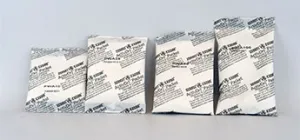
ActivDri™ PWA Packets are patent-pending, economical, effective, and easy-to-use dual-action, moisture control Vapor Corrosion Inhibitor (VCI) packets that protect against environmental contaminants and humidity that aggressively corrode metal parts, components, electronics, and electrical components/equipment
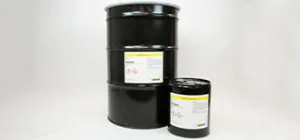
Axxanol™ 33 is a rust preventative oil that forms a light oily film, providing powerful corrosion protection against aggressive environments such as salt air and humidity.
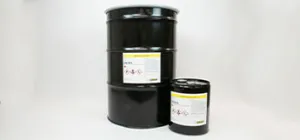
Axxanol™ 33CD is a solvent-based rust preventative that forms a dry-to-touch film, eliminating oily surfaces that attract dust and other contaminants.
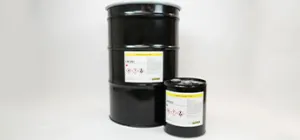
Axxanol™ 34CD is a solvent-based coating that forms a very light, oily, near dry-to-touch rust preventative film that provides powerful corrosion protection against aggressive environments.
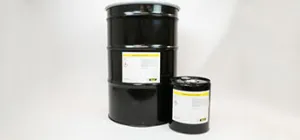
Axxanol™ A35-30 is an oil-based, non-staining rust preventative that forms a light, oily, clear film with excellent water-barrier properties. As a result, it provides powerful corrosion protection against aggressive environments, such as salt air and humidity.
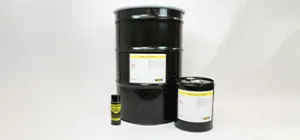
Axxanol™ A35-8030 is a long-term rust preventative oil that forms a light, thin, oily film. As a result, it provides powerful corrosion protection against aggressive environments, such as salt air and humidity. In addition to corrosion protection, it provides lubricating properties that help reduce friction and support smooth assembly and disassembly of metal parts.
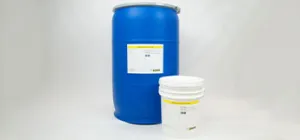
Axxatec™ DA-23C is a dual-action water-based rust preventative and cleaner with low or no foaming that is designed to provide short-term rust protection and light-duty cleaning.
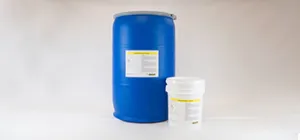
Axxatec™ DA-24C is a dual-action water-based yellow metal rust preventative and cleaner with low or no foaming that is designed to provide short-term rust protection and light-duty cleaning.
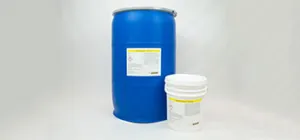
Axxatec™ DA-40AL is a dual-action aluminum rust preventative and cleaner with low foaming that is designed to provide short-term rust protection and light-duty cleaning.
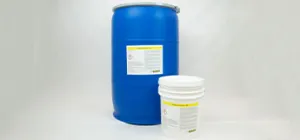
Axxatec™ 30C is a water-based rust Inhibitor designed to provide short-term indoor storage and in-transit protection. In addition to the corrosion protection offered, Axxatec™ 30C may also be used as a light-duty cleaner-rust preventative combination product.
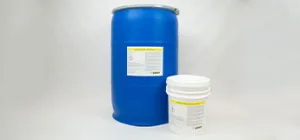
Axxatec™ 48C is a water-based aluminum rust preventative liquid concentrate that also protects ferrous and yellow metals during indoor storage, shipping, and assembly.