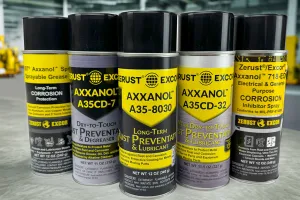
 What Are RP Oils?
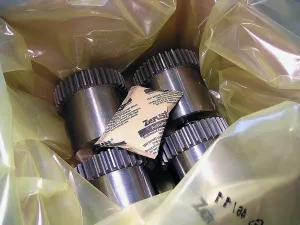
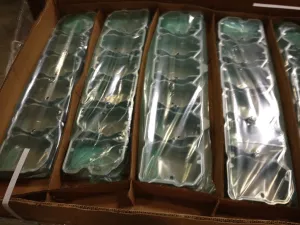 When Should You Choose VCIs?
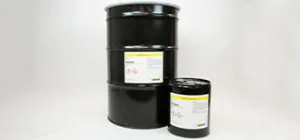
Axxanol™ 33 is a rust preventative oil that forms a light oily film, providing powerful corrosion protection against aggressive environments such as salt air and humidity.
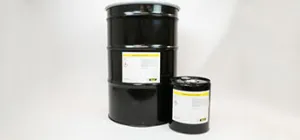
Axxanol™ A35-30 is an oil-based, non-staining rust preventative that forms a light, oily, clear film with excellent water-barrier properties. As a result, it provides powerful corrosion protection against aggressive environments, such as salt air and humidity.
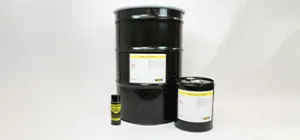
Axxanol™ A35-8030 is a long-term rust preventative oil that forms a light, thin, oily film. As a result, it provides powerful corrosion protection against aggressive environments, such as salt air and humidity. In addition to corrosion protection, it provides lubricating properties that help reduce friction and support smooth assembly and disassembly of metal parts.
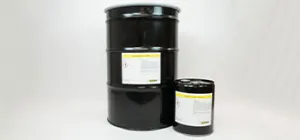
Axxanol™ 758-NV is a non-staining rust preventive oil that forms a clear, thin, oily film on the metal surface, providing a moisture barrier and powerful corrosion protection against aggressive environments such as salt air and humidity.
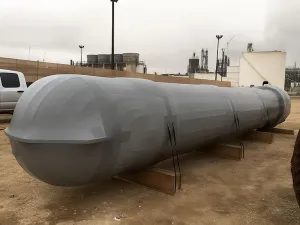
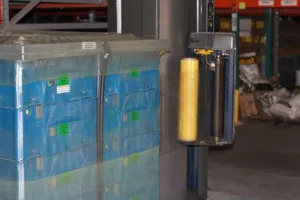
ICT®510-OPS VCI Shrink Film is an 8-mil, high-strength shrink film integrated with ZERUST® Vapor Corrosion Inhibitor (VCI) technology and UV stabilizers, designed specifically for the long-term outdoor preservation of large assets.
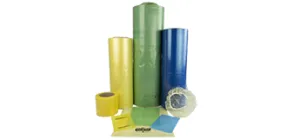
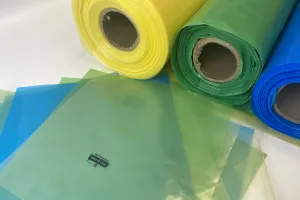
ICT®510-C VCI Film provides cost-effective and versatile protection against rust and corrosion damage for metal assets in shipping and storage. Additionally, it’s available in ferrous, non-ferrous, and multimetal formulations, as well as various-sized rolls, sheets, tubing, and bags.
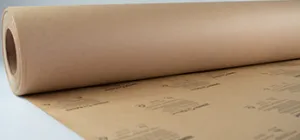
ICT®420 is an acid-free, pH-neutral, and non-abrasive VCI kraft paper that merges the practicality and cost-efficiency of paper-based packaging with advanced corrosion protection. Consequently, it streamlines the preservation of metals during work-in-progress, shipping, and storage.
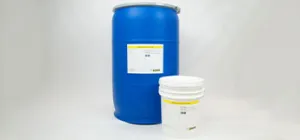
Axxatec™ DA-23C is a dual-action water-based rust preventative and cleaner with low or no foaming that is designed to provide short-term rust protection and light-duty cleaning.
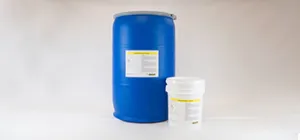
Axxatec™ DA-24C is a dual-action water-based yellow metal rust preventative and cleaner with low or no foaming that is designed to provide short-term rust protection and light-duty cleaning.
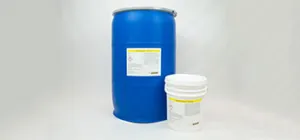
Axxatec™ DA-40AL is a dual-action aluminum rust preventative and cleaner with low foaming that is designed to provide short-term rust protection and light-duty cleaning.

ICT®510-C VCI Sheeting provides cost-effective and versatile protection against rust and corrosion damage for metal assets in shipping and storage. Additionally, it’s available in ferrous, non-ferrous, and multimetal formulations, as well as various-sized sheeting.
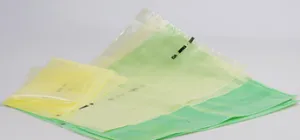
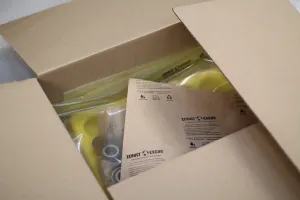
ICT® VCI Poly Bags provide convenient and proven protection against corrosion damage for metals in shipping and storage. In addition, they are available in ferrous, non-ferrous, anti-tarnish, and multimetal protection types and various zipper, flat, and gusseted sizes.
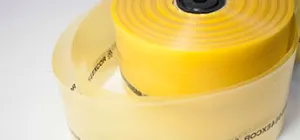
ICT®510-C VCI Tubing provides versatile protection against corrosion, as the tubing offers a tailored packaging solution for parts of various sizes or long metal assets metals in shipping, storage, and work-in-progress.