Choosing the correct VCI packaging tape is critical to maintaining a sealed environment that allows Vapor Corrosion Inhibitor Technology (VCI) to function properly. Consequently, an incomplete or failed seal can allow moisture and contaminants to enter the package, reducing corrosion protection performance.
Why VCI packaging tape selection matters for corrosion protection
VCI packaging works by creating a closed environment where corrosion-inhibiting molecules can saturate the air space and protect exposed metal surfaces. As a result, incorrect sealing reduces vapor concentration and compromises corrosion protection.
Using the correct VCI packaging tape helps:
- Maintain vapor containment inside VCI film and VCI bags
- Prevent moisture ingress during storage and transport
- Support consistent corrosion protection throughout the package
Explore ZERUST® VCI Packaging Films
Selecting the right VCI film is just as important as choosing the correct tape. Learn how ZERUST® VCI packaging films help maintain a sealed environment for reliable corrosion protection.
What tape to use with VCI film and polyethylene VCI bags
When selecting VCI packaging tape, use a high-quality tape specifically designed to adhere to low-energy plastic surfaces such as polyethylene.
Recommended tape characteristics include:
- Acrylic or rubber-based adhesive formulated for poly film
- Strong initial tack and long-term adhesion
- Resistance to humidity and temperature fluctuations
Standard office and carton sealing tapes often fail to adhere to polyethylene, so avoid using them.
Best practices for sealing VCI bags
To achieve an effective seal with VCI packaging tape, follow these best practices:
- Fold excess VCI film neatly to minimize air leaks
- Apply tape with firm pressure to ensure full surface contact
- Overlap tape edges to prevent peeling over time
- Inspect seals after handling or transport
These steps help preserve the enclosed environment needed for corrosion protection.
Can you staple VCI bags?
Use stapling in certain situations, especially for larger or heavier VCI bags, but always seal the punctures that staples create.
If staples are used:
- Fold the bag first, then staple through the folded layers
- Seal over all staple holes using approved VCI packaging tape
- Verify that no exposed punctures remain
This approach helps maintain package integrity while allowing mechanical closure.
When damaged VCI bags should be replaced instead of taped
While VCI packaging tape is effective for sealing folds and staple areas, it should not be used to repair large rips or tears.
Replace the VCI bag if:
- The tear cannot be fully closed with tape
- Adhesion cannot be maintained across the damaged area
- The bag has lost structural integrity
Replacing damaged packaging ensures consistent corrosion protection and avoids unnecessary risk.
Heat-sealing vs VCI packaging tape for long-term protection
Heat sealing provides the most reliable and durable seal for VCI film and VCI bags. When possible, it is the preferred sealing method.
However, VCI packaging tape remains a practical and effective option when:
- Heat-sealing equipment is not available
- Packages require frequent opening and resealing
- Field packaging conditions limit equipment use
Both methods can deliver effective corrosion protection when applied correctly.
Key takeaways for choosing the right VCI packaging tape
- Always use tape designed for polyethylene surfaces
- Avoid general-purpose tapes that fail on VCI film
- Seal all folds, staple holes, and closure points completely
- Replace damaged bags rather than attempting major repairs
- Use heat sealing when maximum protection is required
Following these guidelines helps ensure ZERUST® VCI packaging performs as intended.
Talk to a ZERUST® Corrosion Protection Expert
Need help selecting the right VCI packaging tape, VCI film, or sealing method for your application? ZERUST® experts can help you optimize corrosion protection for storage and shipment.

ICT® VCI Poly Bags provide convenient and proven protection against corrosion damage for metals in shipping and storage. In addition, they are available in ferrous, non-ferrous, anti-tarnish, and multimetal protection types and various zipper, flat, and gusseted sizes.
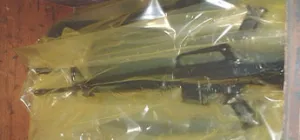
ICT®510-C VCI Weapon Bags are specifically designed to protect weapons, including handguns, rifles, as well as accessories, against corrosion, dust, sand, and humidity damage in shipping, storage, and between operations.
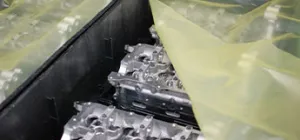
ICT®510-C Ferrous VCI Film provides cost-effective and targeted protection against rust damage for ferrous metals, such as steel, iron, and cast iron in shipping, storage, and work-in-progress.

ICT®510-C VCI Multimetal Film provides cost-effective and versatile protection against rust and corrosion damage for ferrous and non-ferrous metals in shipping, storage, and work-in-progress.

ICT®510-C Non-ferrous VCI Film provides cost-effective and versatile protection against corrosion damage for non-ferrous metals such as aluminum, copper, brass, and bronze, in shipping, storage, and work-in-progress.

ICT®510-C VCI Film provides cost-effective and versatile protection against rust and corrosion damage for metal assets in shipping and storage. Additionally, it’s available in ferrous, non-ferrous, and multimetal formulations, as well as various-sized rolls, sheets, tubing, and bags.

ICT®510-C VCI Tubing provides versatile protection against corrosion, as the tubing offers a tailored packaging solution for parts of various sizes or long metal assets metals in shipping, storage, and work-in-progress.