
Page 2 of 2

Rust Prevention Overseas Container: How to Keep Metal Parts Rust-Free During International Shipping
Rust prevention during overseas container shipping is a critical concern for manufacturers moving metal parts internationally. Imagine this scenario. You load a shipping container with metal parts and send it overseas from North America to Asia. When the container arrives, your customer reports severe rust damage throughout the shipment. Now you plan to ship another
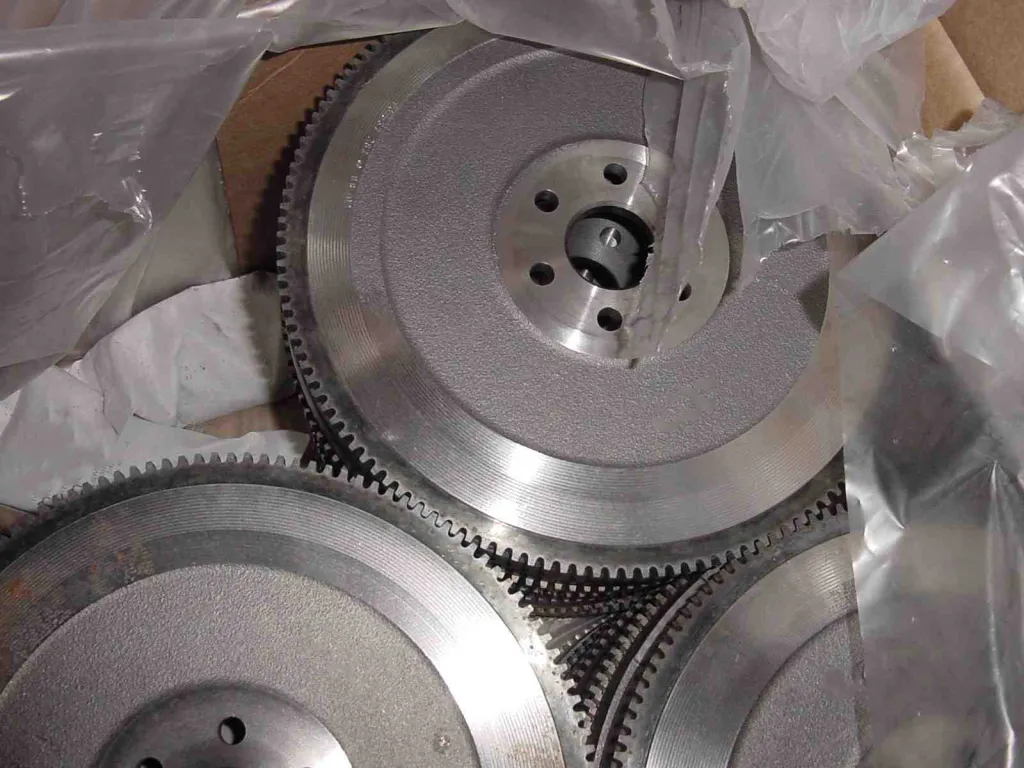
Can you use desiccants with VCI?
The short answer is yes, desiccants and VCI can be used together if applied correctly. Both technologies help reduce corrosion risk, but they work in different ways. VCI releases corrosion-inhibiting molecules that protect the metal surface, while desiccants absorb moisture from the atmosphere to reduce the electrolyte that drives corrosion. Because these two technologies perform
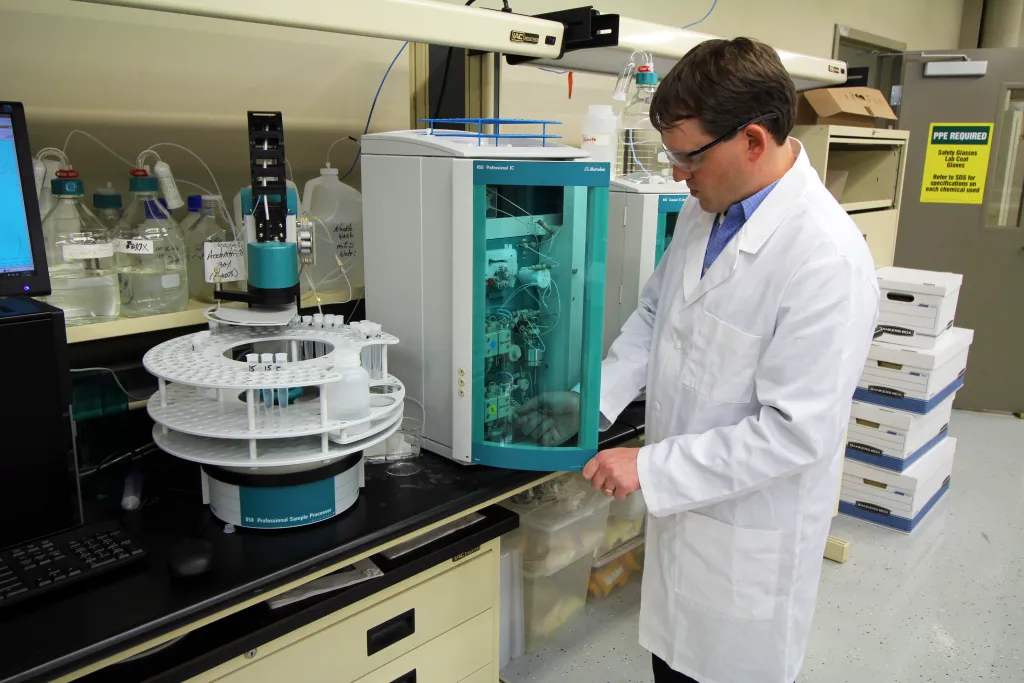
What to Do When Rust Prevention Fails?
In manufacturing, companies invest significant time and resources into protecting metal assets from corrosion during storage and transportation. However, even well-designed protection programs can sometimes fail. When this happens, many teams begin asking the same question: What to do when rust prevention fails? Many operations rely on volatile corrosion inhibitor (VCI) packaging, rust preventative coatings,
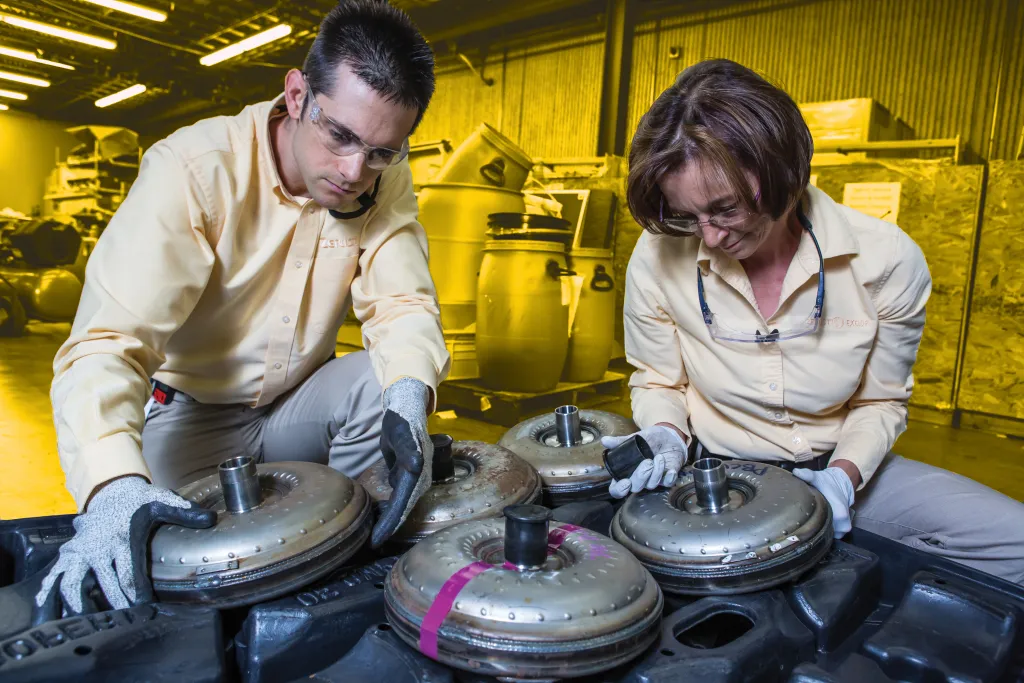
What Should You Consider When Choosing a VCI Supplier?
If you are searching for a VCI supplier, you are likely dealing with one of three situations: a customer specification you must meet, unexpected rust showing up in your process, or frustration with inconsistent protection from your current source. Whatever brought you here, the right VCI supplier should do more than sell packaging. They should
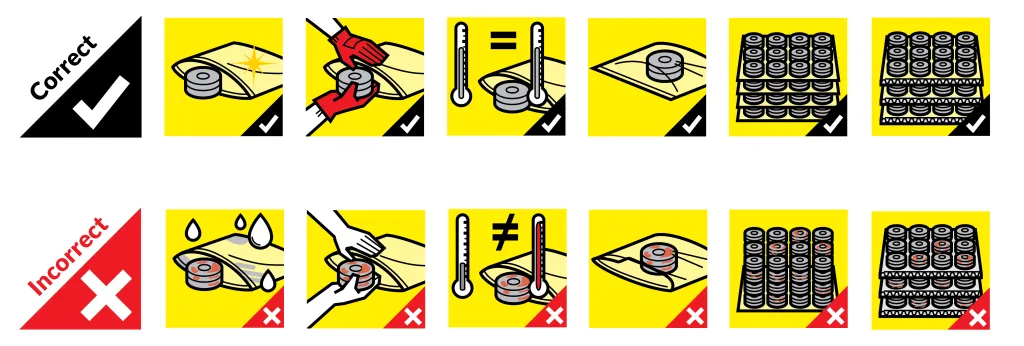
How to use ZERUST® VCI Products Correctly
For nearly five decades, manufacturers and OEMs around the world have relied on ZERUST® Vapor Corrosion Inhibitor products to protect metal parts during shipping and storage. However, many users still ask an important question: how to use VCI correctly to achieve the best corrosion protection. Understanding how to use VCI properly ensures that the corrosion inhibitors
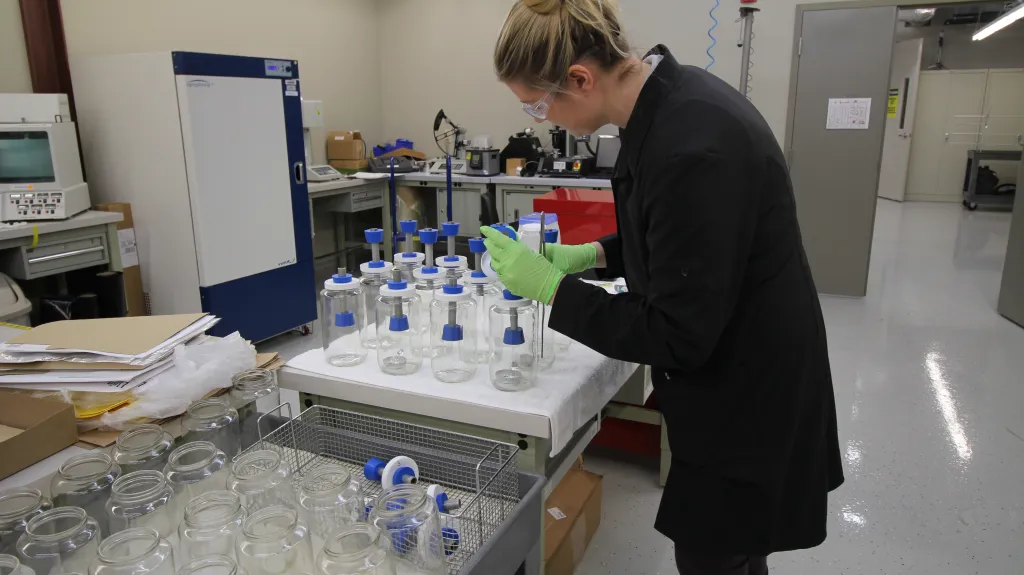
Understanding the VCI Jar Test: Evaluating the Efficacy of Volatile Corrosion Inhibitors (VCI)
The use of anti-corrosive packaging materials functionalized with volatile corrosion inhibitors (VCI) is critical for protecting processed metal parts. Many corrosion management programs rely on these materials to provide off-contact corrosion protection during storage and shipment. To evaluate the effectiveness of these materials, laboratories commonly perform the VCI Jar Test, formally known as the Vapor-phase Inhibition
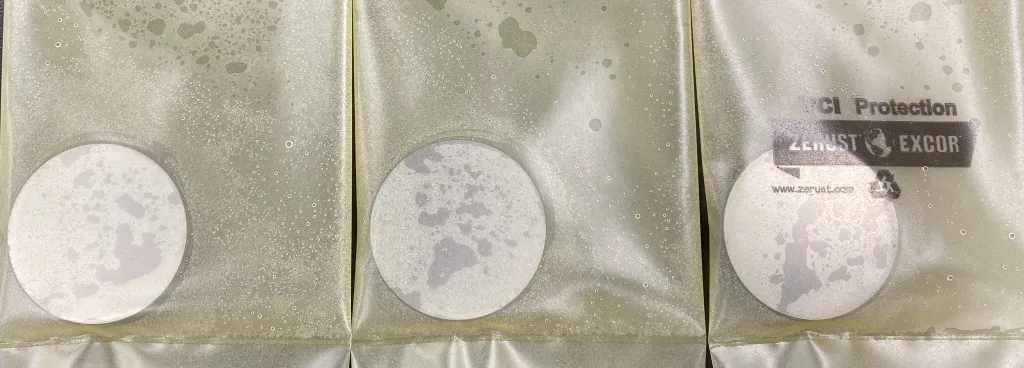
Reduce Corrosion Risk with ZERUST® ICT®510-C VCI Film
Reducing corrosion risk is critical when protecting metal parts during storage and shipment. Without proper protection, exposure to humidity and contaminants can quickly lead to rust, product damage, and costly failures. ZERUST® ICT®510-C VCI film is engineered to reduce corrosion risk for ferrous metals using advanced Vapor Corrosion Inhibitor (VCI) technology. Backed by laboratory testing,

When a VCI Test Is Not Enough
The NACE Standard TM0208 Vapor Inhibition Ability (VIA) test, commonly called the VCI test or VCI jar test, is a valuable tool for evaluating the corrosion protection performance of vapor corrosion inhibitor technology. It allows researchers to quickly compare the vapor phase corrosion protection of different VCI packaging materials and chemistries. However, while a VCI
