
Page 2 of 2
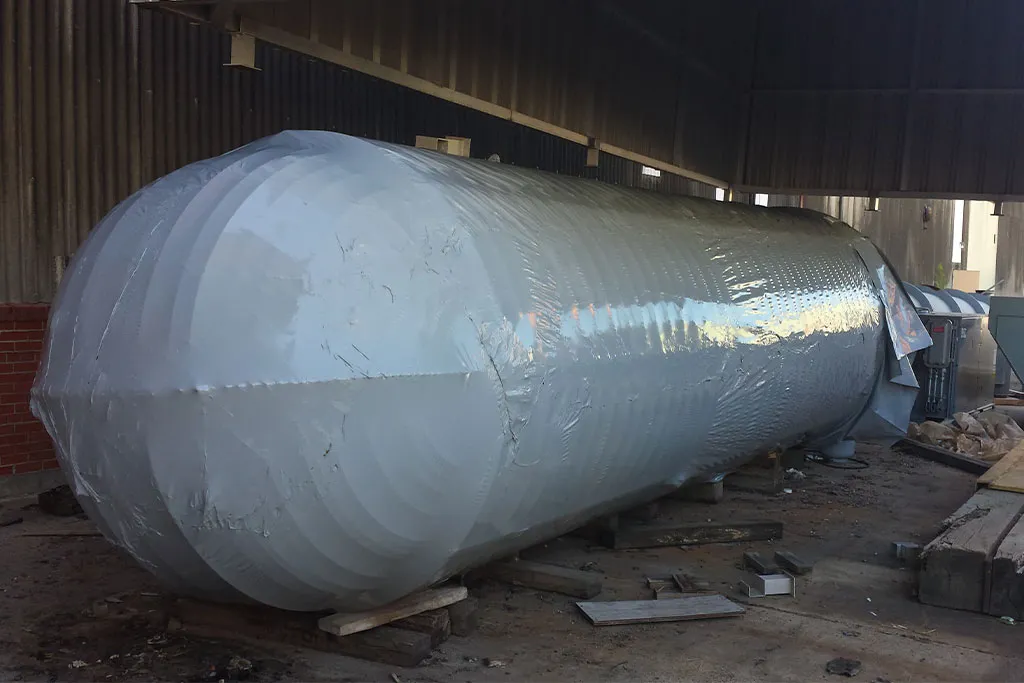
Comprehensive Guide to Heat Exchanger Corrosion Protection
Heat exchanger corrosion protection is essential for maintaining the reliability and efficiency of heat exchangers used in industrial systems. Heat exchangers transfer heat between fluids to regulate temperature and ensure efficient operation in industries such as power generation, manufacturing, oil and gas, and chemical processing. However, these systems often operate in environments where humidity, temperature

Corrosion Control for Control Rooms and Electronics: A Comprehensive Guide
Corrosion is a silent threat that can quickly damage sensitive electronics in industrial environments. Effective control room corrosion control is essential because corrosion can cause circuitry failures, reduce equipment reliability, and lead to costly production downtime. Industrial control rooms often house critical automation systems, communication networks, and monitoring equipment. When corrosive contaminants enter these environments,
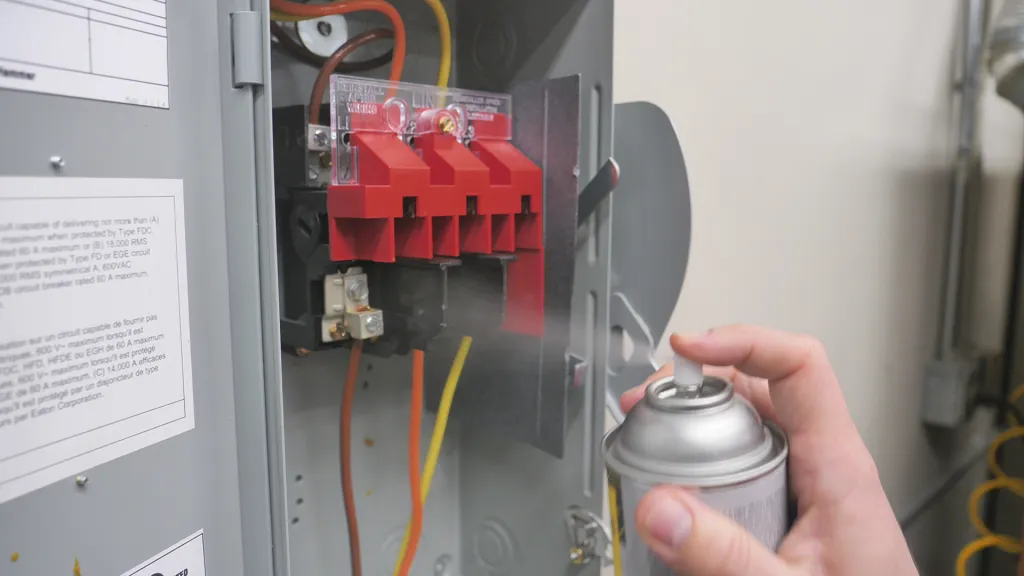
Axxanol™ 718-ESS vs. Conformal Coatings: Choosing the Right Corrosion Protection Solution
Corrosion protection is critical in electrical and electronic applications. Moisture, contaminants, and environmental exposure can quickly damage sensitive circuits and components. Two common approaches used to protect electronics from corrosion include conformal coatings and ZERUST® Axxanol™ 718-ESS, a multi-metal electrical corrosion inhibitor spray. Conformal coatings create a thin polymer barrier over electronic assemblies, while Axxanol™ 718-ESS forms

Preventing Corrosion in Metal Goods During Transit with ZERUST® Transit Coatings
Global manufacturing depends on the reliable transport of metal components and finished goods. However, corrosion during domestic or international transit remains a major challenge. Transit Coatings are an important solution, as temperature changes, humidity, salt exposure, and long shipping durations can quickly cause rust on unprotected metal surfaces. When corrosion occurs during shipping, manufacturers may

What Is the Best Rust Preventative for Your Application?
Rust is a persistent problem for metal surfaces, especially when parts are exposed to moisture, salt, or fluctuating temperatures. Using the best rust preventative can help protect these surfaces and prevent corrosion from developing, which can weaken structural components, damage equipment, and lead to costly repairs or rejected products. Choosing the best rust preventative depends

What to Do When Rust Prevention Fails?
In manufacturing, companies invest significant time and resources into protecting metal assets from corrosion during storage and transportation. However, even well-designed protection programs can sometimes fail. When this happens, many teams begin asking the same question: What to do when rust prevention fails? Many operations rely on volatile corrosion inhibitor (VCI) packaging, rust preventative coatings,

AxxaVis™ HST-10 – An Environmentally Friendly and Effective Hydrostatic Testing Additive
Industry professionals widely perform hydrostatic testing as a standard method to verify the structural integrity and leak-tightness of pressure vessels. These include pipelines, plumbing systems, gas cylinders, boilers, above-ground storage tanks (ASTs), and fuel tanks. Testing these vessels is critical, especially when they are intended to transport or store gases. This is because failure under
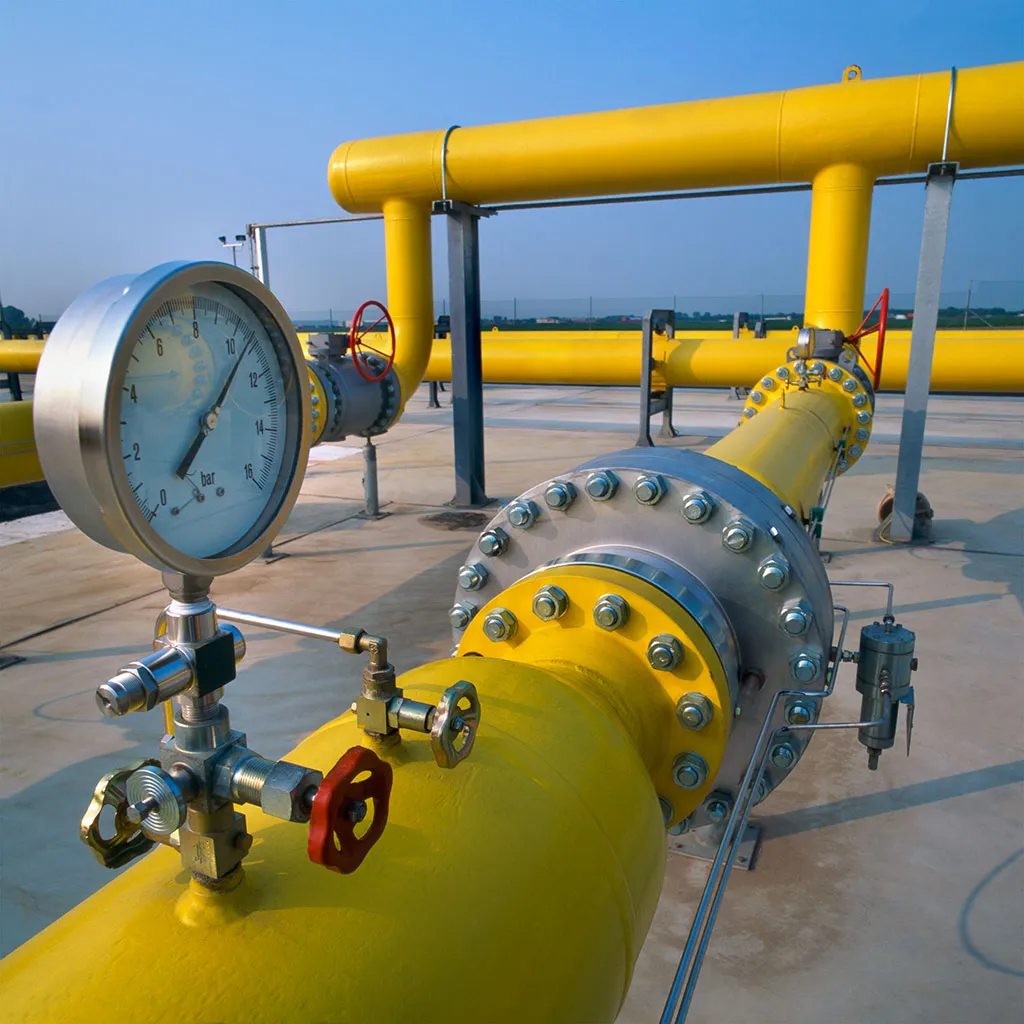
Corrosion Solutions for Hydrostatic Testing: Protecting Pressure Vessels from Rust and Scaling
Hydrostatic testing is a critical process for verifying the integrity of pressure vessels such as pipes, heat exchangers, storage tanks, and ship voids. However, without proper corrosion control, this necessary testing step can introduce new risks. That is why selecting the right Corrosion Solutions for Hydrostatic Testing is essential to protect assets during and after
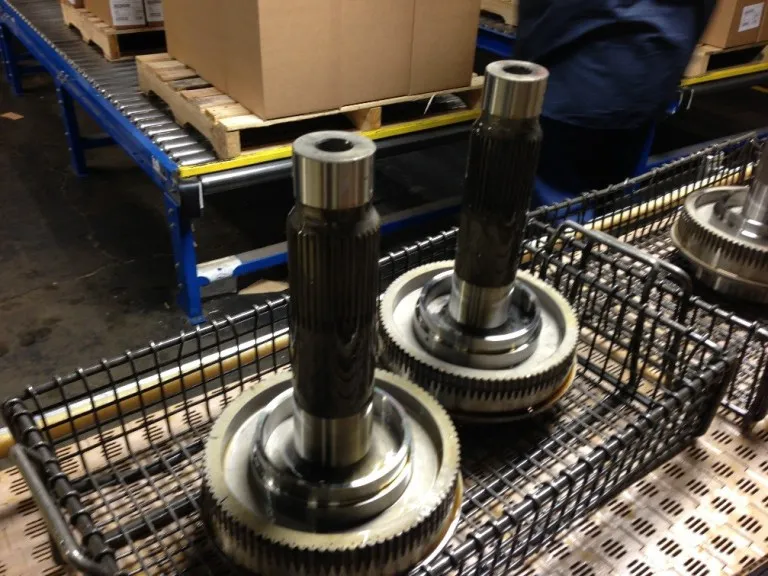
RP Oils or VCIs: Which Protection Method is Best for Me?
When evaluating corrosion protection options, one of the most common questions engineers and operations teams ask is: RP Oils or VCIs? Which protection method is best for my application? Both methods are widely used across manufacturing, metalworking, and export packaging environments. However, choosing between RP oils or VCIs depends on your process, performance expectations, handling requirements,
