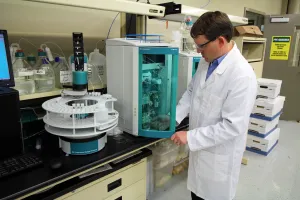
Corrosion protection is critical in electrical and electronic applications. Moisture, contaminants, and environmental exposure can quickly damage sensitive circuits and components. Two common approaches used to protect electronics from corrosion include conformal coatings and ZERUST® Axxanol™ 718-ESS, a multi-metal electrical corrosion inhibitor spray. Conformal coatings create a thin polymer barrier over electronic assemblies, while Axxanol™ 718-ESS forms a corrosion-inhibiting protective layer on metal surfaces. Each method offers advantages depending on the application environment, maintenance requirements, and stage of the product lifecycle.
Understanding how conformal coatings compare with Axxanol™ 718-ESS can help engineers and maintenance teams select the most effective corrosion protection strategy.
Protect Electronics from Rust and Corrosion
Explore proven approaches for electronic rust prevention and learn how ZERUST® solutions help protect sensitive components in real-world environments.
Understanding Conformal Coatings for Electronics Protection
Conformal coatings have long been used in the electronics industry to protect printed circuit boards and assemblies from moisture, chemicals, and airborne contaminants.
These coatings form a thin protective film that follows the contours of electronic components. When properly applied, conformal coatings help isolate circuitry from environmental exposure.
However, several factors must be carefully controlled to ensure reliable performance.
Application Methods for Conformal Coatings
Original equipment manufacturers commonly apply conformal coatings during the electronics manufacturing process.
Typical application methods include:
Brush coating
Spray coating
Dip coating
More specialized processes, such as vacuum deposition, may also be used for certain coatings, although these methods are less common in commercial electronics due to higher cost and complexity.
Surface Preparation Requirements for Conformal Coatings
Conformal coatings require extremely clean surfaces for proper adhesion.
If contamination remains on the circuit board before application, the coating may fail prematurely. Poor preparation can lead to:
Adhesion loss
Osmotic blistering
Pinholes in the coating film
Moisture penetration that leads to corrosion
For this reason, electronics manufacturers often implement strict cleaning and inspection procedures before applying conformal coatings.
Mechanical Properties of Conformal Coatings
Conformal coatings are designed to remain flexible while resisting environmental stress.
High mechanical strength is usually unnecessary and may even be harmful. Rigid coatings can create stress on sensitive electronic components and potentially cause:
Component malfunction
Cracking of the coating layer
Delamination from the surface
Flexibility helps the coating withstand vibration, thermal expansion, and mechanical shock.
Glass Transition Temperature Considerationsfor Conformal Coatings
At temperatures near or below this range, coatings may become brittle or lose flexibility. This can present challenges in electronics exposed to cold environments or temperature cycling.
For example:
Coatings may become rigid and crack when exposed to low temperatures.
Thermal cycling can cause expansion and contraction that stresses the coating layer.
Brittle coatings may separate from surfaces and expose electronics to moisture.
Moisture Permeability for Conformal Coatings
Even when conformal coatings appear intact, some materials allow moisture to slowly diffuse through the coating layer.
For example, silicone conformal coatings are hydrophobic but can still permit moisture migration through defects or micro-permeable areas. Over time, this moisture exposure may allow corrosion to develop on exposed metal surfaces.
Key considerations include:
Microscopic defects can allow moisture to penetrate the protective layer.
Long-term humidity exposure may gradually increase corrosion risk.
Moisture trapped under the coating can accelerate localized corrosion.
Understanding ZERUST® Axxanol™ 718-ESS
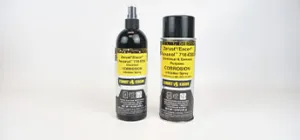
ZERUST® Axxanol™ 718-ESS provides an alternative approach to corrosion protection for electrical and electronic systems.
Rather than forming a rigid polymer film like conformal coatings, Axxanol™ 718-ESS creates a corrosion-inhibiting protective layer that shields metal surfaces from moisture and corrosive contaminants.
This makes it particularly useful for field maintenance, aftermarket corrosion protection, and situations where traditional conformal coatings may not be practical.
Field Application Advantages
One major advantage of Axxanol™ 718-ESS is its ease of application.
Technicians can apply the spray directly in the field without the specialized equipment often required for conformal coatings. It can also be applied to surfaces that may contain light oils or residues.
This flexibility makes Axxanol™ 718-ESS useful for:
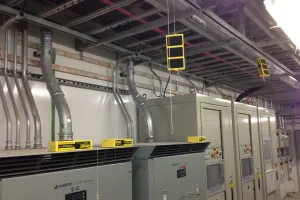
Electrical cabinets
Control panels
Connectors and terminals
Industrial electronics exposed to humid environments
Performance in Humid Environments
Unlike many conformal coatings, Axxanol™ 718-ESS can be applied even when humidity levels are elevated.
The formulation displaces moisture and forms a protective barrier that helps prevent corrosion in challenging environments.
This capability makes it particularly valuable for equipment exposed to:
Outdoor conditions
Marine or coastal environments
Industrial humidity
Condensation cycles
Stress-Free Protection for Electronics
Because Axxanol™ 718-ESS does not cure into a rigid coating, it does not introduce mechanical stress to sensitive electronic components.
This can reduce the risk of coating-related failures in assemblies where thermal expansion, vibration, or mechanical movement may occur.
This approach offers several advantages:
Flexible protection that adapts to thermal expansion and vibration.
No rigid film that can crack or delaminate from the surface.
Reduced risk of coating stress affecting sensitive electronic components.
Temporary Corrosion Protection
Unlike conformal coatings, Axxanol™ 718-ESS functions as a temporary protective coating (TPC).
It provides effective corrosion protection but may require periodic reapplication depending on environmental exposure.
In contrast, conformal coatings are generally treated as permanent protective coatings (PPCs) applied during the manufacturing process.
Typical use cases include:
Short to medium-term corrosion protection during storage or transport.
Maintenance protection for electrical cabinets and field equipment.
Interim corrosion protection before permanent coatings are applied.
Temperature Considerations
Axxanol™ 718-ESS performs well in electronics operating at temperatures up to approximately 80°C (176°F).
Higher temperatures may reduce the longevity of the protective film, so application conditions and service environment should always be considered during product selection.
When evaluating temperature limits:
Elevated temperatures can gradually reduce the life of the protective layer.
Equipment operating within recommended temperature limits maintains optimal corrosion protection.
Periodic inspection helps confirm continued protection in high-temperature environments.
When to Use Conformal Coatings vs. Axxanol™ 718-ESS
ZERUST® Axxanol™ 718-ESS was not designed to replace conformal coatings in electronics manufacturing. Instead, it complements them by addressing situations where traditional coatings may not be practical.
For example:
Axxanol™ 718-ESS is ideal for:
Field maintenance of electrical systems
Aftermarket corrosion protection
Temporary corrosion protection during storage or transport
Protecting connectors, terminals, and exposed electrical contacts
Conformal coatings are typically used for:
Factory-applied protection during electronics manufacturing
Long-term protection of circuit boards in sealed devices
Applications requiring a permanent protective layer
In some situations, Axxanol™ 718-ESS can even support repair or maintenance of systems that already use conformal coatings, particularly when localized corrosion protection is needed.
Learn how ZERUST® Axxanol™ 718-ESS provides reliable corrosion protection for electrical components, connectors, and electronic assemblies in demanding environments.
Selecting between conformal coatings and Axxanol™ 718-ESS depends on several factors, including the stage of the product lifecycle, the environmental conditions, and the maintenance strategy for the equipment.
Manufacturers may rely on conformal coatings during production, while maintenance teams often benefit from the flexibility and ease of application offered by Axxanol™ 718-ESS.
ZERUST® corrosion specialists can help evaluate your application environment, corrosion risks, and equipment requirements to determine the most effective protection strategy.
Our team can visit your facility, review your current corrosion management practices, and recommend products and procedures that improve reliability while reducing maintenance costs.
With the right corrosion protection approach, electronics and electrical systems can operate reliably even in challenging environments.
Need Help Protecting Electronics from Corrosion?
ZERUST® corrosion specialists can help evaluate your environment and recommend the right corrosion protection solution for electrical and electronic systems. Contact our team to discuss your application and start improving your corrosion prevention strategy.
Tom White is the Marketing Manager at ZERUST®, bringing nearly a decade of experience in Vapor Corrosion Inhibitor (VCI) technologies and corrosion prevention solutions. He holds a degree in marketing from St. Cloud State University and specializes in translating complex technical solutions into clear, effective messaging that resonates with industrial audiences.
In his role, Tom leads strategic marketing initiatives that promote ZERUST®’s global product portfolio, including sustainable VCI packaging films, rust preventative coatings, and industrial cleaning solutions. He works closely with technical teams, sales leaders, and international partners to ensure that product positioning aligns with real-world applications and customer needs across industries such as manufacturing, transportation, and infrastructure.
Tom is actively involved in product launches, trade show planning, digital marketing strategy, and content development. His work focuses on connecting ZERUST®’s corrosion prevention technologies with engineers, manufacturers, and decision-makers who rely on effective asset protection and operational reliability.
With a strong emphasis on customer engagement and market insight, Tom helps bridge the gap between technical expertise and business impact. He supports initiatives that highlight how corrosion prevention improves equipment lifespan, reduces downtime, and contributes to more sustainable operations.
Through his contributions to the ZERUST® blog, Tom shares insights on corrosion prevention strategies, industry trends, and product applications. His content is designed to educate and inform while helping organizations identify the right solutions to protect valuable metal assets and optimize long-term performance.
Discover Proven Corrosion Prevention Solutions
Explore ZERUST® technologies designed to protect your metal assets, improve reliability, and support long-term performance.
Axxanol™ 718-ESS is an electrical corrosion inhibitor spray that leaves a thin, water-displacing, non-staining, non-hardening, soft film, providing protection against challenging environments where acid gas vapors and humidity are present.

 Original equipment manufacturers commonly apply conformal coatings during the electronics manufacturing process.
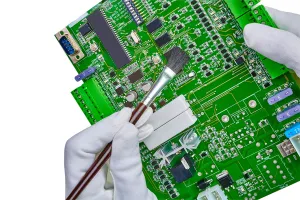 Conformal coatings require extremely clean surfaces for proper adhesion.
 Conformal coatings are designed to remain flexible while resisting environmental stress.
 Traditional conformal coatings often have a
  Even when conformal coatings appear intact, some materials allow moisture to slowly diffuse through the coating layer.
 One major advantage of Axxanol™ 718-ESS is its ease of application.
 Unlike many conformal coatings, Axxanol™ 718-ESS can be applied even when humidity levels are elevated.
 Because Axxanol™ 718-ESS does not cure into a rigid coating, it does not introduce mechanical stress to sensitive electronic components.
 Unlike conformal coatings, Axxanol™ 718-ESS functions as a temporary protective coating (TPC).
 Axxanol™ 718-ESS performs well in electronics operating at temperatures up to approximately 80°C (176°F).
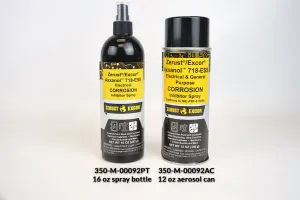 ZERUST® Axxanol™ 718-ESS was not designed to replace conformal coatings in electronics manufacturing. Instead, it complements them by addressing situations where traditional coatings may not be practical.