VCI packaging that can be vacuum sealed is specifically engineered to maintain corrosion protection even when air is removed from the package. Among available options, ZERUST® SDA Advanced VCI Film is designed to be vacuum sealed and provides reliable, extreme long-term corrosion protection, including in aggressive acid gas environments.
Unlike standard VCI films that rely on a stable airspace to distribute protective vapors, vacuum-sealable VCI packaging must maintain inhibitor performance under reduced oxygen and pressure conditions. ZERUST® SDA Advanced VCI Film meets these requirements by combining robust Vapor Corrosion Inhibitor Technology (VCI) with a film structure suitable for vacuum sealing.
Need Vacuum-Sealable VCI Packaging for Long-Term Protection?
Learn how ZERUST® ICT®540-SDA Advanced VCI Film delivers proven corrosion protection when vacuum sealing is required for extreme environments.
Why Vacuum Sealing Matters for Corrosion Protection
Vacuum sealing removes excess air and moisture from a package, which significantly reduces the risk of oxidation and corrosion. When paired with the right VCI packaging, vacuum sealing offers additional advantages, including:
- Reduced internal humidity levels
- Improved protection during long-term storage
- Enhanced performance in export and harsh environments
- Greater resistance to acid gases and industrial pollutants
However, not all VCI materials are compatible with vacuum sealing. Using incompatible films can reduce inhibitor performance or compromise package integrity. Therefore, selecting VCI packaging that can be vacuum sealed is critical for demanding applications.
When to Use Vacuum-Sealable VCI Packaging
Vacuum-sealable VCI packaging is commonly used in applications where metals are exposed to prolonged risks or aggressive conditions. These include:
- Long-term storage and preservation programs
- Export shipments with extended transit times
- Acid gas or industrial atmospheric environments
- Mission-critical or high-value metal components
In these scenarios, ZERUST® SDA Advanced VCI Film provides dependable corrosion protection without the need for oils, greases, or coatings.
Recommended Packaging Best Practices
To achieve optimal results when using VCI packaging that can be vacuum sealed, follow these best practices:
- Ensure metal parts are clean and surface-dry before packaging
- Use the correct VCI film designed for vacuum applications
- Avoid trapping standing water or corrosive residues
- Seal packages tightly to maintain protection over time
- Minimize unnecessary package openings after sealing
Following these steps helps maximize corrosion protection and extends the service life of stored or shipped metal components.
Not Sure If Vacuum-Sealable VCI Packaging Is Right for Your Application?
Talk with ZERUST® corrosion experts to confirm material compatibility, packaging design, and long-term protection requirements before sealing.
VCI packaging that can be vacuum sealed offers an effective solution for extreme long-term corrosion protection when traditional packaging methods fall short. ZERUST® SDA Advanced VCI Film is specifically engineered for vacuum sealing and delivers reliable performance even in acid gas environments. By selecting the right materials and following proven packaging practices, manufacturers can protect critical metal assets with confidence.
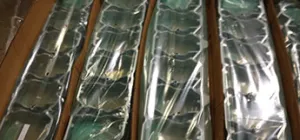
ICT®540-SDA Advanced VCI Film is a premium corrosion-inhibiting packaging product combining ZERUST® Vapor Corrosion Inhibitor (VCI) chemistry with unique oxygen and gas-blocking properties for use in extreme long-term storage and challenging conditions.