
Page 2 of 3
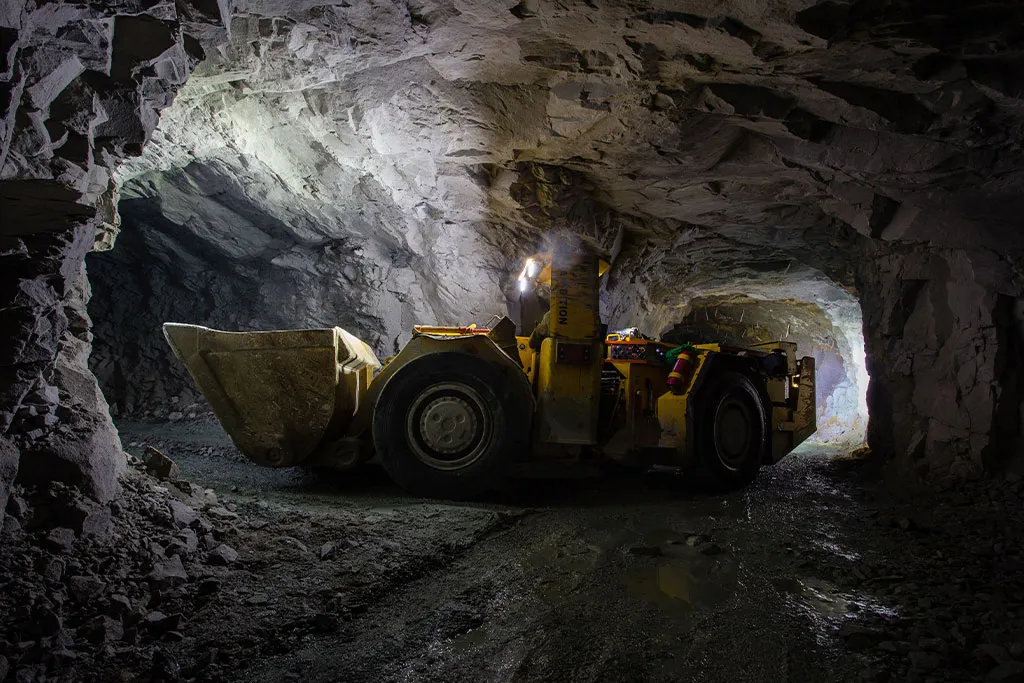
Addressing Corrosion Challenges in the Mining Industry with ZERUST® Solutions
The mining industry faces persistent challenges from corrosion, which is a natural degradation process exacerbated by harsh environments. Consequently, corrosion impacts equipment, safety, and profitability. Therefore, implementing proactive solutions is essential. In addition, this blog explores how ZERUST®’s corrosion prevention and remediation products address corrosion challenges in the mining industry. Corrosion Challenges in the Mining
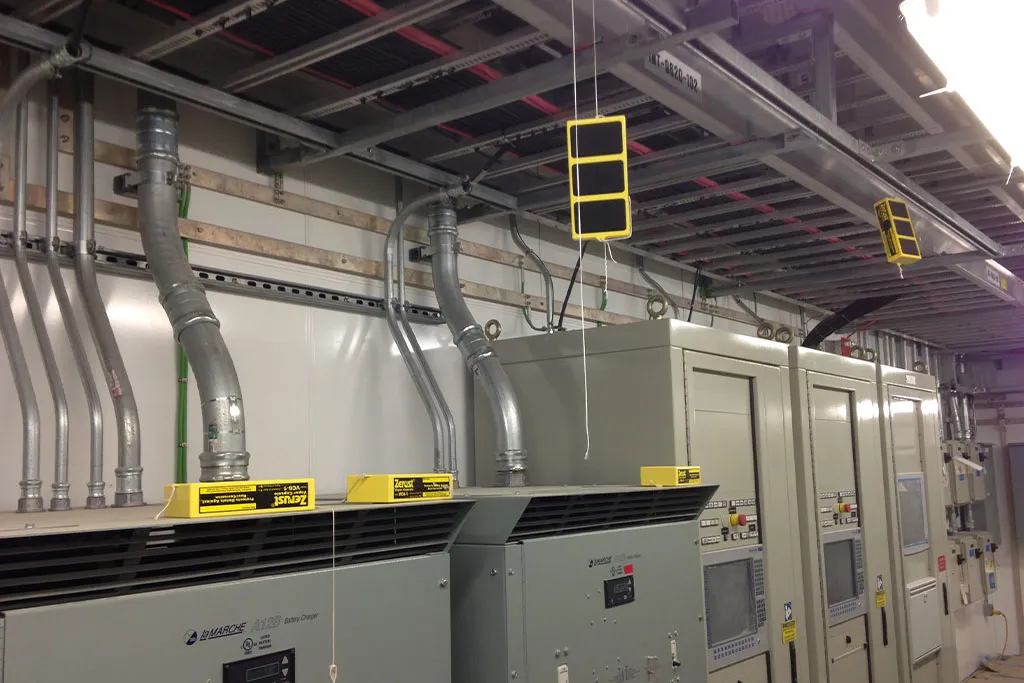
Corrosion Control for Control Rooms and Electronics: A Comprehensive Guide
Corrosion is a silent threat that can quickly damage sensitive electronics in industrial environments. Effective control room corrosion control is essential because corrosion can cause circuitry failures, reduce equipment reliability, and lead to costly production downtime. Industrial control rooms often house critical automation systems, communication networks, and monitoring equipment. When corrosive contaminants enter these environments,
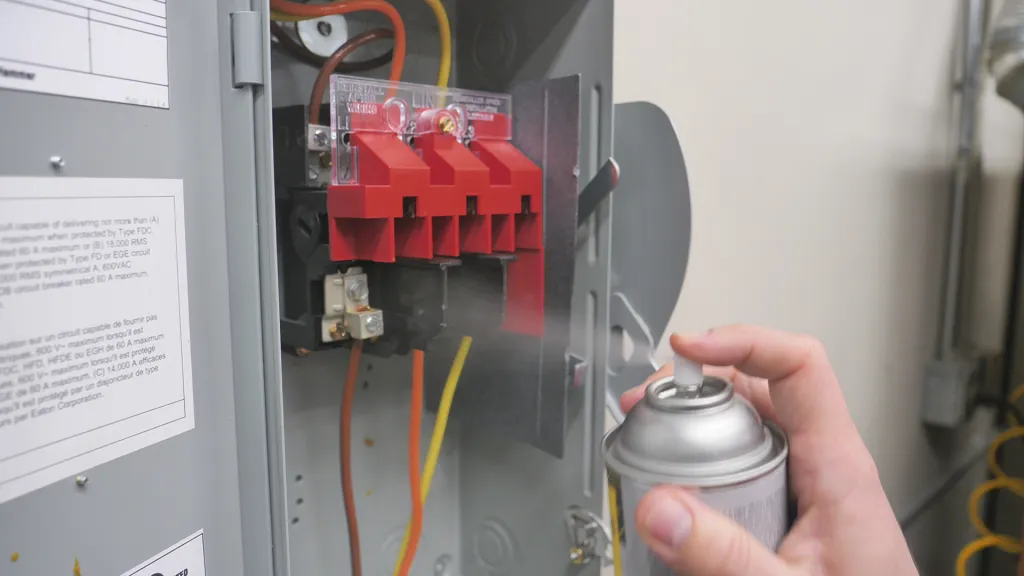
Axxanol™ 718-ESS vs. Conformal Coatings: Choosing the Right Corrosion Protection Solution
Corrosion protection is critical in electrical and electronic applications. Moisture, contaminants, and environmental exposure can quickly damage sensitive circuits and components. Two common approaches used to protect electronics from corrosion include conformal coatings and ZERUST® Axxanol™ 718-ESS, a multi-metal electrical corrosion inhibitor spray. Conformal coatings create a thin polymer barrier over electronic assemblies, while Axxanol™ 718-ESS forms
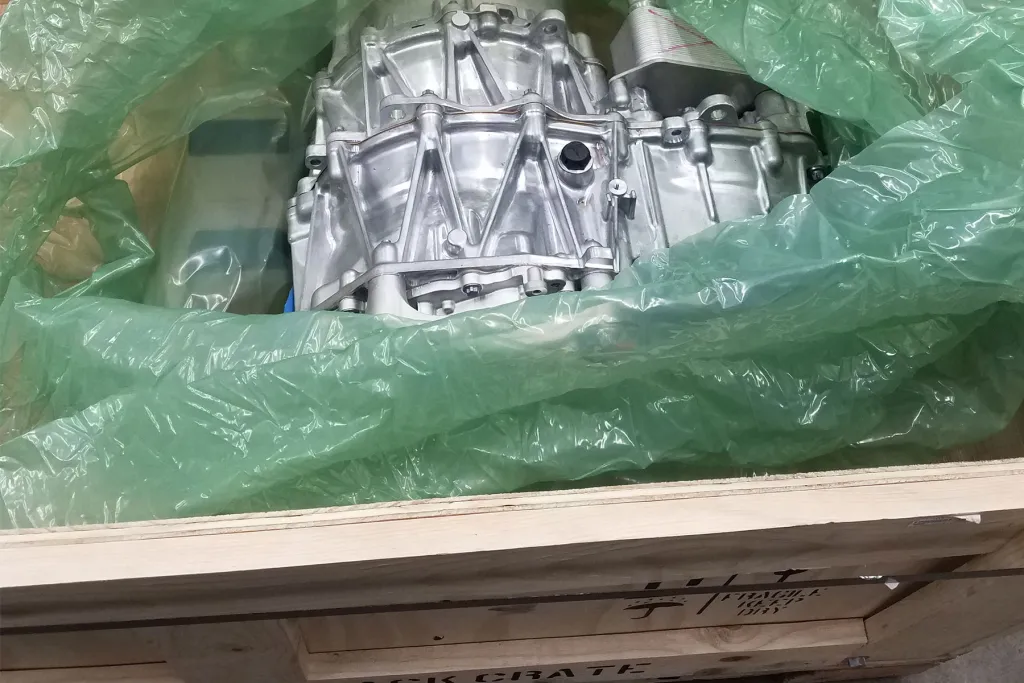
Revolutionizing the Electric Vehicle Market with VCI: Vapor Corrosion Inhibitors
The electric vehicle (EV) market continues to grow rapidly as manufacturers invest in technologies that improve efficiency, reliability, and sustainability. As this growth accelerates, protecting critical metal components from corrosion becomes increasingly important. Vapor corrosion inhibitors (VCI) help the EV market address this challenge by protecting battery enclosures, electrical connectors, structural components, and other sensitive

Rust Prevention Overseas Container: How to Keep Metal Parts Rust-Free During International Shipping
Rust prevention during overseas container shipping is a critical concern for manufacturers moving metal parts internationally. Imagine this scenario. You load a shipping container with metal parts and send it overseas from North America to Asia. When the container arrives, your customer reports severe rust damage throughout the shipment. Now you plan to ship another
What to Do When Rust Prevention Fails?
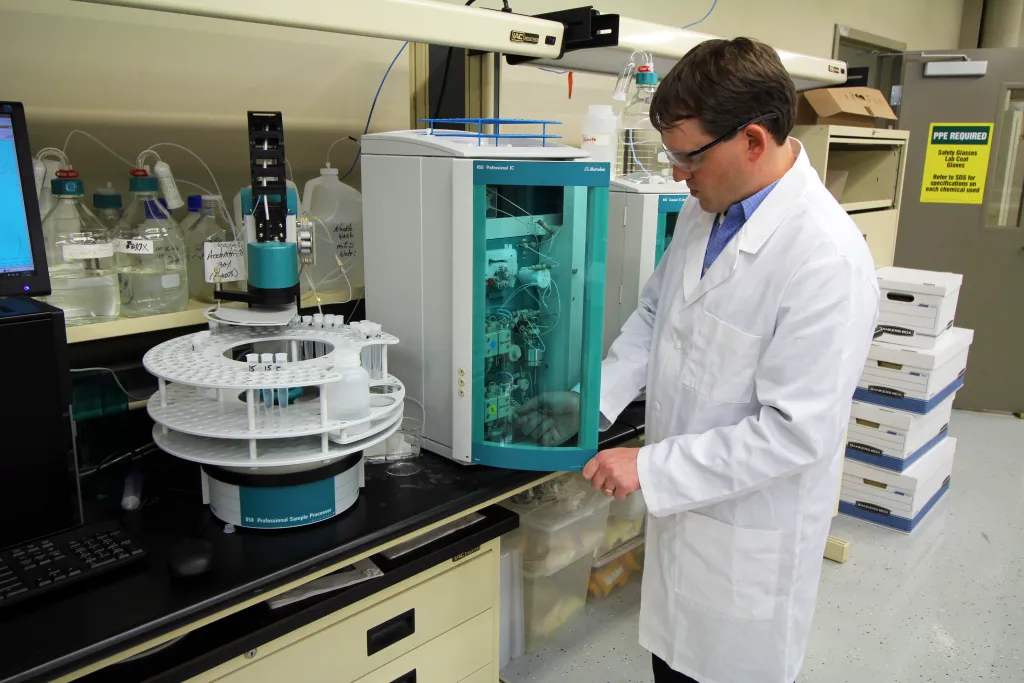
In manufacturing, companies invest significant time and resources into protecting metal assets from corrosion during storage and transportation. However, even well-designed protection programs can sometimes fail. When this happens, many teams begin asking the same question: What to do when rust prevention fails? Many operations rely on volatile corrosion inhibitor (VCI) packaging, rust preventative coatings,
Using Electrochemical Impedance Spectroscopy (EIS) to Better Understand the Corrosion System
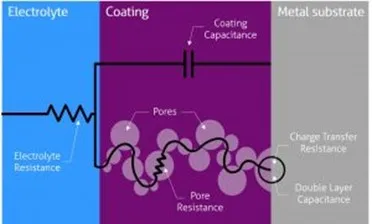
The corrosion rate in a corrosion system is influenced by many variables, including pH, temperature, electrochemical potential, electrolyte composition, and the corrosion control method applied. Because these variables interact with each other, evaluating corrosion protection methods can become complex and time-consuming. Corrosion is fundamentally an electrochemical process. When analyzing a corrosion system, electrical principles can
The Cost of Corrosion
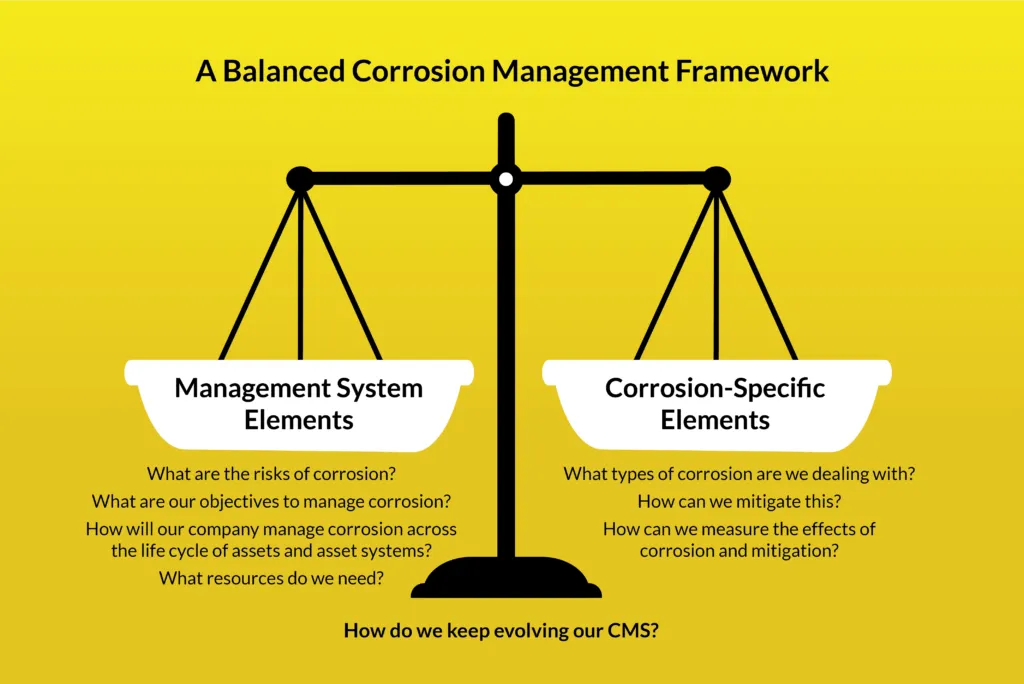
Rust can be an ugly sight. However, industries that rely on non-corroded metal cannot afford rust. It leads to serious consequences that are not always visible, including lost productivity, accidents, and significant financial loss. Companies lose billions of dollars each year due to corrosion and the overall cost of corrosion. Most enterprises don’t understand the
6 Straight Forward Steps to Get Rust Under Control
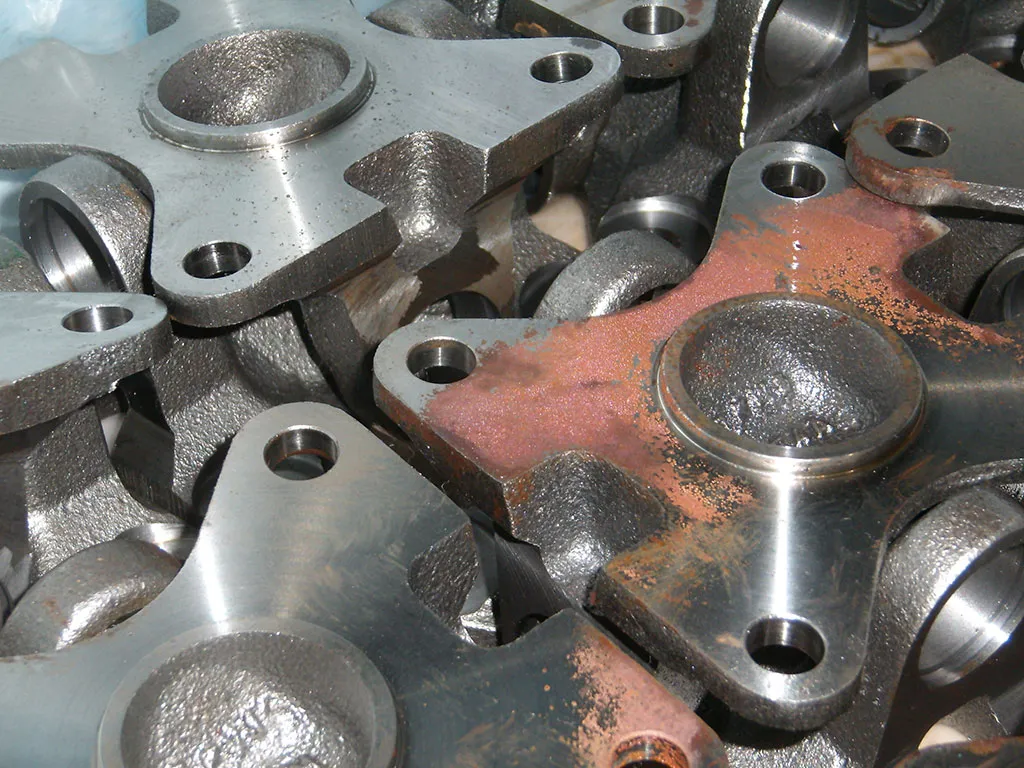
Opening a container and discovering corrosion on metal parts is frustrating. It leads to rework, missed deadlines, warranty claims, and strained supplier relationships. If you are trying to get rust under control, the first step is identifying where corrosion begins. Corrosion rarely has one single cause. Instead, it often results from a combination of handling

Is There a Rust Season or is it Open Season for Rust?
When you mention the words “rust season” to someone in the metalworking industry, you may get a dry smile. Their immediate answer is typically summer, when high heat and humidity create the perfect conditions for corrosion. Unfortunately, that answer is usually quickly followed by reasons why their metals can corrode the rest of the year.
