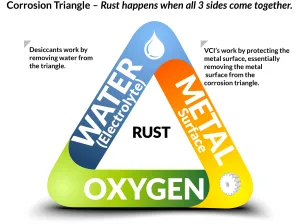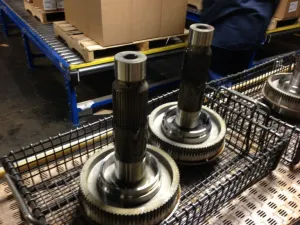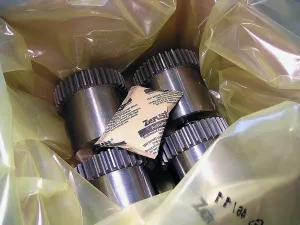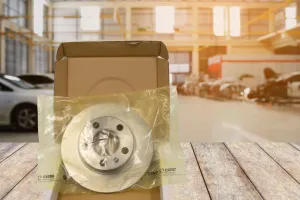
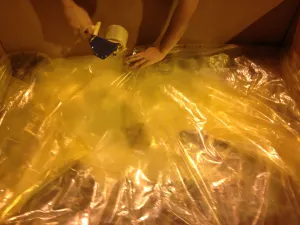
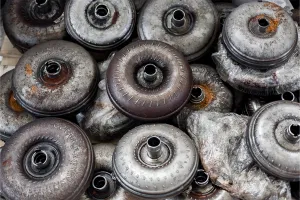
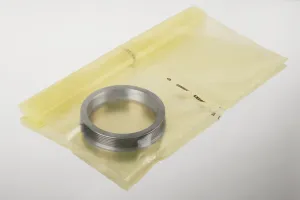

Wet parts should not stay in VCI packaging at all. Vapor Corrosion Inhibitor technology protects metal surfaces inside a sealed enclosure, but it does not remove standing water or absorb visible moisture. If parts are packaged while still wet, corrosion can begin immediately in localized areas.
VCI molecules form an invisible protective layer on exposed metal surfaces. However, they require proper conditions to work effectively. When liquid water is present, corrosion cells can form before the protective molecular layer fully develops.
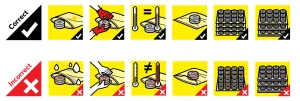
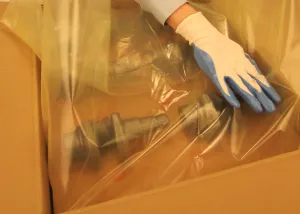
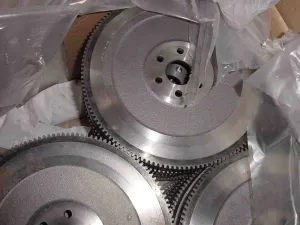
For this reason, metal parts must be clean, cool, and visibly dry before being sealed in VCI film, paper, or bags.
Why Wet Parts Can Corrode Inside VCI Packaging
When moisture is trapped inside a sealed package, several problems can occur:
- Standing water creates direct corrosion sites
- Temperature changes can cause condensation
- Trapped humidity increases corrosion risk
- Dissolved salts or coolant residues accelerate rust formation
VCI protects metal from atmospheric corrosion. It does not displace liquid water. If water remains on the surface, flash rust may occur before the protective environment stabilizes.
This aligns with ZERUST® best practices for corrosion protection for wet components, which emphasize surface preparation before packaging.
Best Practices Before Sealing Parts in VCI
To prevent corrosion, follow this preparation checklist:
- Rinse off corrosive residues such as salts or coolants
- Neutralize if required
- Allow parts to cool to ambient temperature
- Ensure surfaces are visibly dry with no droplets or pooled water
- Seal immediately in appropriate ZERUST® VCI packaging
In high humidity or export environments, additional moisture control, such as desiccants or dual-action moisture control solutions, may be recommended.
Using ZERUST® VCI Products Correctly
Proper preparation and sealing are critical for reliable corrosion protection. Learn step by step best practices for using ZERUST® VCI products to maximize performance.
How Long Can Wet Parts Stay in VCI Packaging During Shipment?
If parts are accidentally sealed while wet, the safe retention time is unpredictable and can be very short. Corrosion may begin within hours, depending on:
- Ambient temperature
- Relative humidity
- Presence of chlorides or contaminants
- Metal type
- Air volume inside the package
There is no guaranteed safe window for wet parts inside VCI packaging. The only reliable approach is proper drying before sealing.
Get Rust Under Control with Proven Steps
If moisture exposure has already occurred, take action quickly. Follow six straightforward steps to stop corrosion and protect metal parts during storage and shipment.
Common Mistakes That Reduce Protection
Avoid these packaging errors:
- Sealing in visible moisture
- Packaging hot parts that later condense
- Trapping humid air inside large enclosures
- Assuming VCI will absorb water
VCI technology prevents corrosion when used correctly. It does not replace drying, cleaning, or proper environmental control.
The answer to how long can wet parts stay in VCI packaging is simple. They should not remain wet inside a sealed enclosure. Proper preparation is critical to achieving the full protection performance of ZERUST® VCI technology.
Ensuring parts are clean, cool, and visibly dry before sealing dramatically reduces corrosion risk during storage, work in progress, and shipment.
Need Expert Guidance on VCI Packaging for Wet Parts?
Every application is different. If you are unsure how long wet parts can stay in VCI packaging or need help selecting the right ZERUST® solution, our corrosion experts are ready to help.
ICT®510-C VCI Film provides cost-effective and versatile protection against rust and corrosion damage for metal assets in shipping and storage. Additionally, it’s available in ferrous, non-ferrous, and multimetal formulations, as well as various-sized rolls, sheets, tubing, and bags.
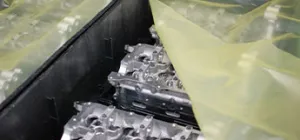
ICT®510-C Ferrous VCI Film provides cost-effective and targeted protection against rust damage for ferrous metals, such as steel, iron, and cast iron in shipping, storage, and work-in-progress.

ICT®510-C Non-ferrous VCI Film provides cost-effective and versatile protection against corrosion damage for non-ferrous metals such as aluminum, copper, brass, and bronze, in shipping, storage, and work-in-progress.
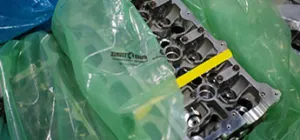
ICT®510-C VCI Multimetal Film provides cost-effective and versatile protection against rust and corrosion damage for ferrous and non-ferrous metals in shipping, storage, and work-in-progress.

ICT®510-C VCI Sheeting provides cost-effective and versatile protection against rust and corrosion damage for metal assets in shipping and storage. Additionally, it’s available in ferrous, non-ferrous, and multimetal formulations, as well as various-sized sheeting.

ICT® VCI Poly Bags provide convenient and proven protection against corrosion damage for metals in shipping and storage. In addition, they are available in ferrous, non-ferrous, anti-tarnish, and multimetal protection types and various zipper, flat, and gusseted sizes.

ICT® Flat VCI Poly Bags provide convenient and proven protection against corrosion damage for metals in shipping and storage. In addition, they are available in ferrous, non-ferrous, anti-tarnish, and multimetal protection types.

ICT® Gusset VCI Bags provide convenient and proven protection against corrosion damage for metals in shipping and storage. In addition, they are available in ferrous, non-ferrous, anti-tarnish, and multimetal protection types and gusseted sizes ranging from two inches up to 150 inches.
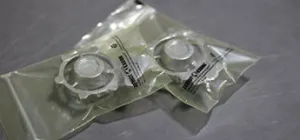
ICT® Zipper VCI Bags provide convenient and proven protection against corrosion damage for metals in shipping and storage. In addition, they are available in ferrous, non-ferrous, anti-tarnish, and multimetal protection types.

ICT®510-C VCI Tubing provides versatile protection against corrosion, as the tubing offers a tailored packaging solution for parts of various sizes or long metal assets metals in shipping, storage, and work-in-progress.