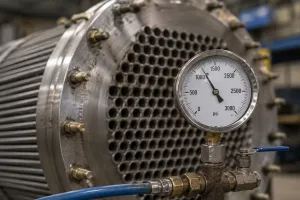
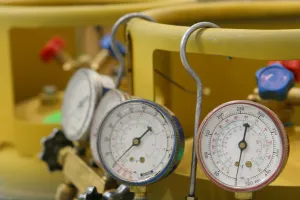
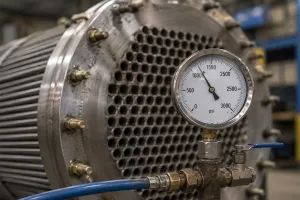
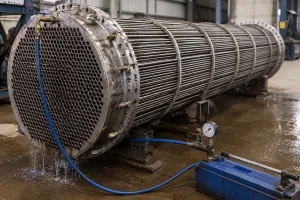
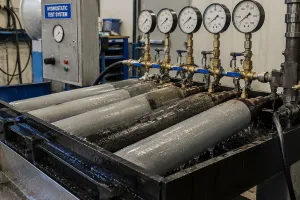
Hydrostatic testing is a widely used method for verifying the structural integrity of pressure vessels, heat exchangers, and other pressurized equipment. During a hydrostatic test, technicians fill the component with water or another testing fluid and raise the pressure to confirm the system can safely withstand operational stresses.
A properly executed hydrostatic testing procedure helps detect leaks, structural weaknesses, and deformation before equipment enters service. This verification step is essential in industries where pressure containment failures could lead to safety hazards, environmental damage, or costly downtime.
Because hydrostatic testing involves water and high-humidity environments, corrosion protection is also an important consideration during and after testing.
Protect Metal Systems During Hydrostatic Testing
Learn how ZERUST® corrosion inhibitors help prevent flash rust and corrosion of pipes, pressure vessels, and heat exchangers.
Industries rely on hydrostatic testing to ensure safe operation, regulatory compliance, and long-term equipment reliability. Common applications include:
Chemical Processing Equipment Reactors, heat exchangers, and process piping are tested to confirm they can withstand corrosive chemicals and elevated pressures.
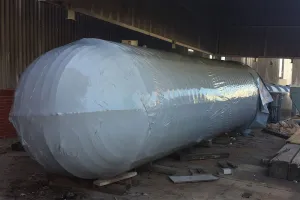
Transport Vessels and Storage Tanks Confirms the safety of tanks and containers used for transporting or storing pressurized materials.
Power Generation Systems Boilers, condensers, and cooling systems require tests to confirm pressure integrity before operation.
Many of these systems must meet strict regulatory standards such as those set by the Department of Transportation (DOT), ASME, or other industry authorities.
How Hydrostatic Testing Works
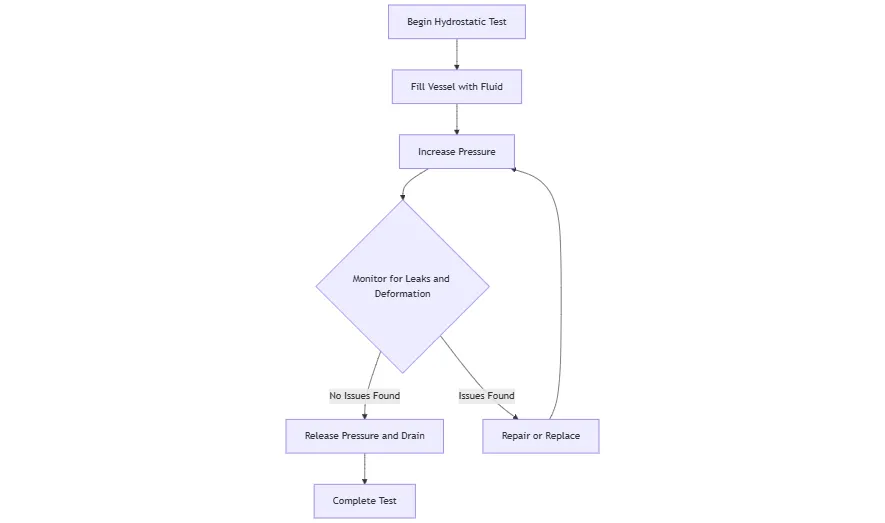
The process follows a structured sequence to safely evaluate pressure containment systems.
1. Filling the Vessel with Test Fluid
The vessel, pipe, or component is completely filled with water or a specialized fluid. Air is removed to prevent compressibility issues that could affect test accuracy.
2. Increasing the Pressure
Pressure is gradually increased using pumps until it reaches the specified test pressure. This pressure is typically higher than normal operating pressure to create a safety margin.
3. Monitoring for Leaks or Deformation
Technicians carefully observe the system for:
Pressure drops
Visible leaks
Structural deformation
Weak welds or joints
If no issues appear during the inspection period, the equipment passes the test.
4. Pressure Release and Draining
After inspection, pressure is slowly released, and the test fluid is drained from the system. The equipment may then undergo drying or corrosion protection procedures before being placed into service.
Types of Hydrostatic Testing
Hydrostatic testing generally falls into two categories, depending on the objective.
Type I Initial Verification
This test occurs after manufacturing or installation. It confirms the entire vessel or system meets pressure design specifications before entering service.
Type II Component Testing
Component testing focuses on individual parts within a system. Valves, pipe sections, and fittings may undergo testing to verify their performance within larger assemblies.
Advantages of Hydrostatic Testing
Hydrostatic testing remains the preferred inspection method for pressure systems because it offers several important benefits.
Reliable Leak Detection Testing under pressure reveals small leaks that could become major failures during operation.
Cost Savings Through Early Detection Identifying structural weaknesses during testing prevents expensive repairs or catastrophic failures later.
Regulatory Compliance Hydro tests help organizations meet industry regulations and safety standards.
Extended Equipment Life Routine testing verifies system integrity and supports long-term asset reliability.
By validating pressure containment systems before operation, hydrostatic testing protects personnel, equipment, and the environment.
Preventing Corrosion During Hydrostatic Testing
While hydrostatic testing provides critical safety validation, it also introduces water into metal systems. If the testing fluid contains dissolved oxygen or ionic contaminants, corrosion may begin almost immediately after the test.
Rust formation can damage the internal surfaces of:
pipes
heat exchangers
storage tanks
pressure vessels
To prevent this issue, many operators add corrosion inhibitors directly to the testing fluid.
ZERUST® additives protect metal surfaces during the test and help maintain equipment integrity after draining.
Learn How ZERUST® Additives Prevent Corrosion
Hydrostatic testing can introduce moisture and ionic contaminants that lead to flash rust. Discover how ZERUST® additives protect pipes, pressure vessels, and industrial equipment from corrosion during and after testing.
Given the high-moisture environments involved, hydrostatic pressure tests can lead to rust and corrosion if unprotected. As a result, ZERUST® offers specialized Hydrostatic Testing Additives that counteract corrosion by treating the water used in the testing process, ensuring long-term integrity for pressure vessels and pipes.
This low-foam additive provides corrosion protection during and after testing. It also deactivates ionic contaminants in the testing water, reducing the risk of corrosion and scaling.
The formulation complies with major environmental regulations, including RoHS, REACH, and TSCA, making it suitable for global operations.
ZERUST® Axxatec™ HST-20L
Axxatec™ HST-20L is a hydrostatic testing water treatment concentrate designed primarily for ferrous metals.
Key features include:
Neutralizes harmful ions in testing fluids
Helps prevent rust formation during testing
Reusable in certain testing scenarios
Easy to apply and flush from systems
This additive provides a cost-effective corrosion protection solution for pressure vessels and industrial equipment undergoing pressure testing.
Explore Proven Corrosion Solutions from ZERUST®
Learn how corrosion inhibitors and additives help protect pressure vessels and industrial systems from rust during and after hydrostatic testing.
ZERUST® hydrostatic corrosion solutions help operators protect metal assets during pressure testing and afterward.
Benefits include:
Reduced risk of flash rust after draining
Protection for pipes, vessels, and heat exchangers
Compliance with environmental regulations
Compatibility with multiple metal types
Cost savings by preventing corrosion damage
Using corrosion inhibitors during testing helps maintain the integrity of valuable equipment while supporting safe operation.
Discover an Environmentally Friendly Hydrostatic Testing Additive
See how ZERUST® AxxaVis™ HST-10 protects pipes, pressure vessels, and industrial systems from corrosion during testing while meeting environmental and regulatory standards.
Ensuring Safety and Reliability Through Hydrostatic Testing
Routine hydrostatic testing plays a critical role in maintaining safe pressure systems across industries. When combined with corrosion prevention solutions such as ZERUST® hydrotesting additives, companies can protect equipment during testing and extend the life of their assets.
By integrating proper hydrostatic testing procedures with effective corrosion protection, operators can reduce maintenance costs, improve safety, and ensure reliable system performance.
Need Help Protecting Equipment During Hydrostatic Testing?
ZERUST® corrosion experts can help you select the right testing additives to prevent rust, protect metal systems, and ensure reliable pressure testing results. Contact our team to discuss your application.
Tom White is the Marketing Manager at ZERUST®, bringing nearly a decade of experience in Vapor Corrosion Inhibitor (VCI) technologies and corrosion prevention solutions. He holds a degree in marketing from St. Cloud State University and specializes in translating complex technical solutions into clear, effective messaging that resonates with industrial audiences.
In his role, Tom leads strategic marketing initiatives that promote ZERUST®’s global product portfolio, including sustainable VCI packaging films, rust preventative coatings, and industrial cleaning solutions. He works closely with technical teams, sales leaders, and international partners to ensure that product positioning aligns with real-world applications and customer needs across industries such as manufacturing, transportation, and infrastructure.
Tom is actively involved in product launches, trade show planning, digital marketing strategy, and content development. His work focuses on connecting ZERUST®’s corrosion prevention technologies with engineers, manufacturers, and decision-makers who rely on effective asset protection and operational reliability.
With a strong emphasis on customer engagement and market insight, Tom helps bridge the gap between technical expertise and business impact. He supports initiatives that highlight how corrosion prevention improves equipment lifespan, reduces downtime, and contributes to more sustainable operations.
Through his contributions to the ZERUST® blog, Tom shares insights on corrosion prevention strategies, industry trends, and product applications. His content is designed to educate and inform while helping organizations identify the right solutions to protect valuable metal assets and optimize long-term performance.
Discover Proven Corrosion Prevention Solutions
Explore ZERUST® technologies designed to protect your metal assets, improve reliability, and support long-term performance.
AxxaVis™ HST-10 powder additive is an effective hydrostatic testing corrosion inhibitor that treats water used to test pressure vessels and voids. It reduces hardness and deactivates ionic contaminants like chlorides found in municipal water sources, preventing rust and hard water deposits on metals.
Axxatec™ HST-20L is a highly effective water treatment concentrate designed to deactivate ionic contaminants found in water sources that cause rust and hard water deposits on metals during hydrostatic testing.
Axxatec™ HST-M100 is a low to no-foam, water-soluble hydrotesting fluid additive designed for corrosion protection in hydrostatic testing. Ideal for use with aluminum, copper, brass, and ferrous metals.

 Hydrostatic testing remains the preferred inspection method for pressure systems because it offers several important benefits.
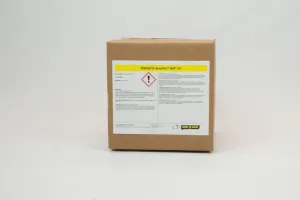 AxxaVis™ HST-10 is a water-soluble
 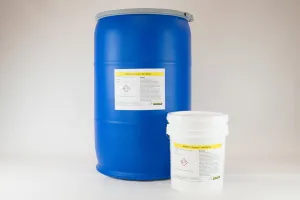 Axxatec™ HST-M100 is a multimetal
 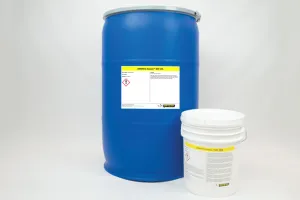 Axxatec™ HST-20L is a hydrostatic testing