
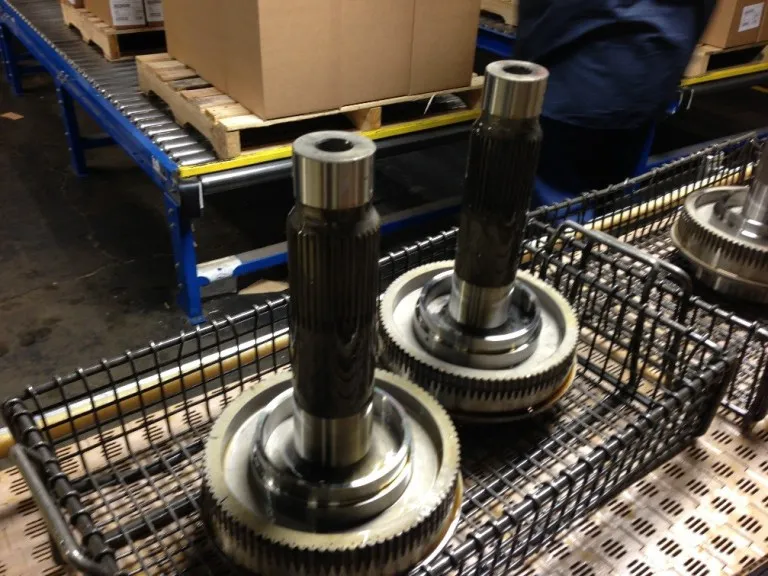
RP Oils or VCIs: Which Protection Method is Best for Me?
When evaluating corrosion protection options, one of the most common questions engineers and operations teams ask is: RP Oils or VCIs? Which protection method is best for my application? Both methods are widely used across manufacturing, metalworking, and export packaging environments. However, choosing between RP oils or VCIs depends on your process, performance expectations, handling requirements,

Is There a Rust Season or is it Open Season for Rust?
When you mention the words “rust season” to someone in the metalworking industry, you may get a dry smile. Their immediate answer is typically summer, when high heat and humidity create the perfect conditions for corrosion. Unfortunately, that answer is usually quickly followed by reasons why their metals can corrode the rest of the year.
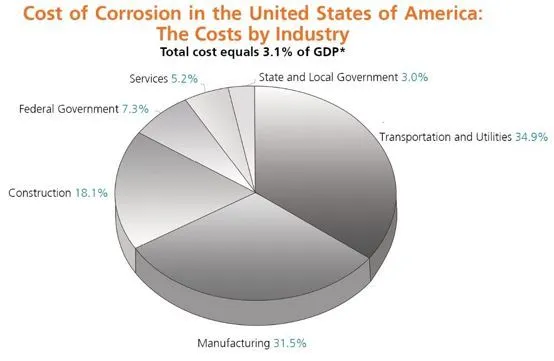
What Does Corrosion Really Cost You and The Environment?
Corrosion does more than damage metal. It silently increases operational costs, wastes energy, consumes natural resources, and negatively impacts the corrosion environment around us. When equipment fails due to corrosion, companies often focus on repair costs. But the true cost includes environmental impact, energy use, safety risks, and the long-term consequences of operating in an
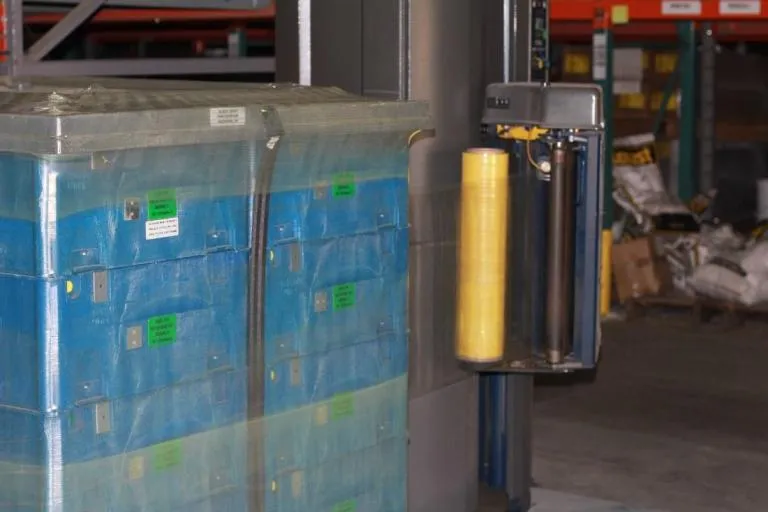
What is the Difference Between VCI Shrink and VCI Stretch Wrap?
When protecting metal parts for shipment or storage, choosing the right packaging matters. Two commonly used options are VCI shrink wrap and VCI stretch wrap. While both contain Vapor Corrosion Inhibitor (VCI) technology, they serve different purposes. If you’re unsure whether VCI shrink wrap or VCI stretch film is right for your application, this guide
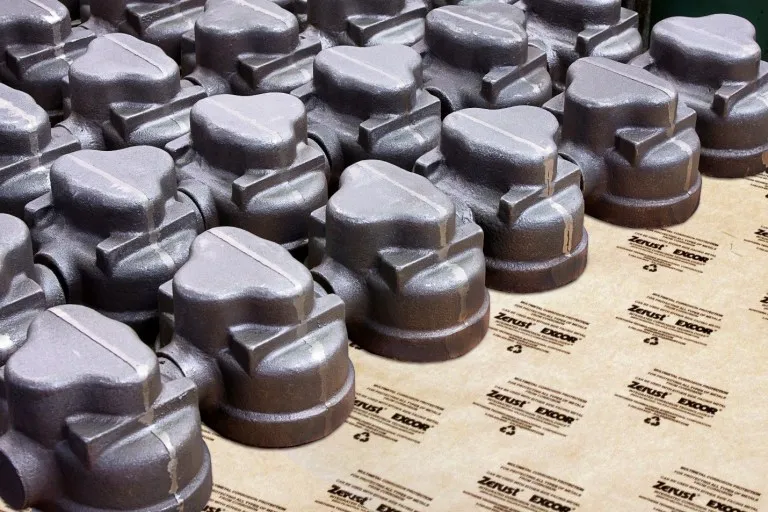
Does Corrugated Affect Corrosion & What Can You Do About It?
After opening a corrugated box to retrieve a spare part, you discover unexpected rust on the metal surface. The component was dry when packaged, and the box appears intact. Naturally, you begin to wonder: Does Corrugated Affect Corrosion? Corrugated boxes are one of the most common packaging materials used in industrial shipping and storage. They
Corrosion Prevention: When to Use VCI Diffusers with VCI Packaging
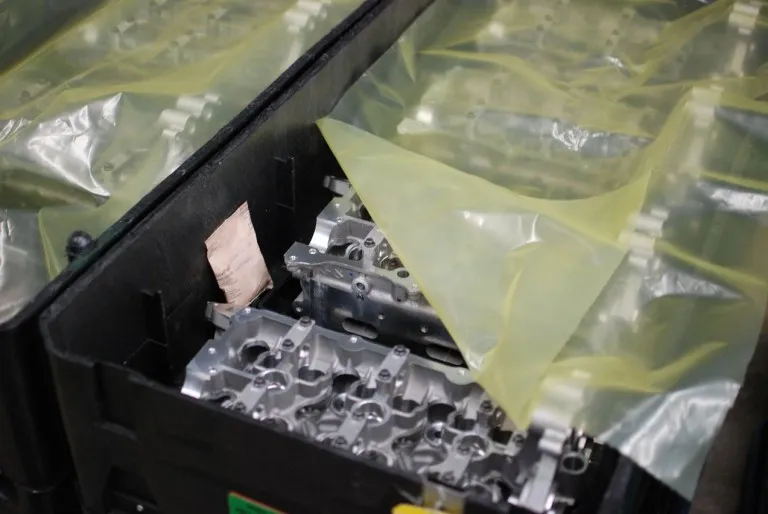
When evaluating VCI diffusers with VCI packaging, many manufacturers ask: Do I need both? While VCI films, bags, and paper provide reliable corrosion protection in sealed environments, certain applications require additional vapor support. Understanding when to combine Vapor Corrosion Inhibitor (VCI) packaging and VCI diffusers can prevent rust in large enclosures, complex assemblies, electrical panels,
VCI Poly vs VCI Paper? The Advantages and Disadvantages Explained
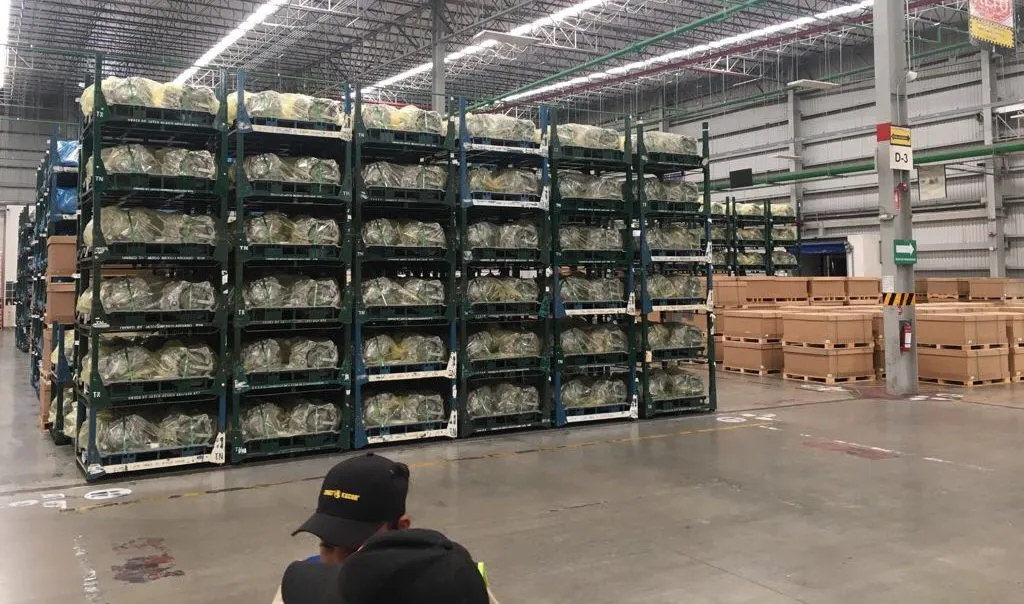
When comparing VCI Poly vs VCI Paper, it is important to understand how each material evolved and how performance differences affect real-world corrosion protection. Vapor Corrosion Inhibitors, or VCIs, have been used since the 1940s, but not all VCI delivery methods perform the same. This guide explains the advantages and disadvantages of VCI Poly vs
VCIs vs Desiccants. How do they Differ?
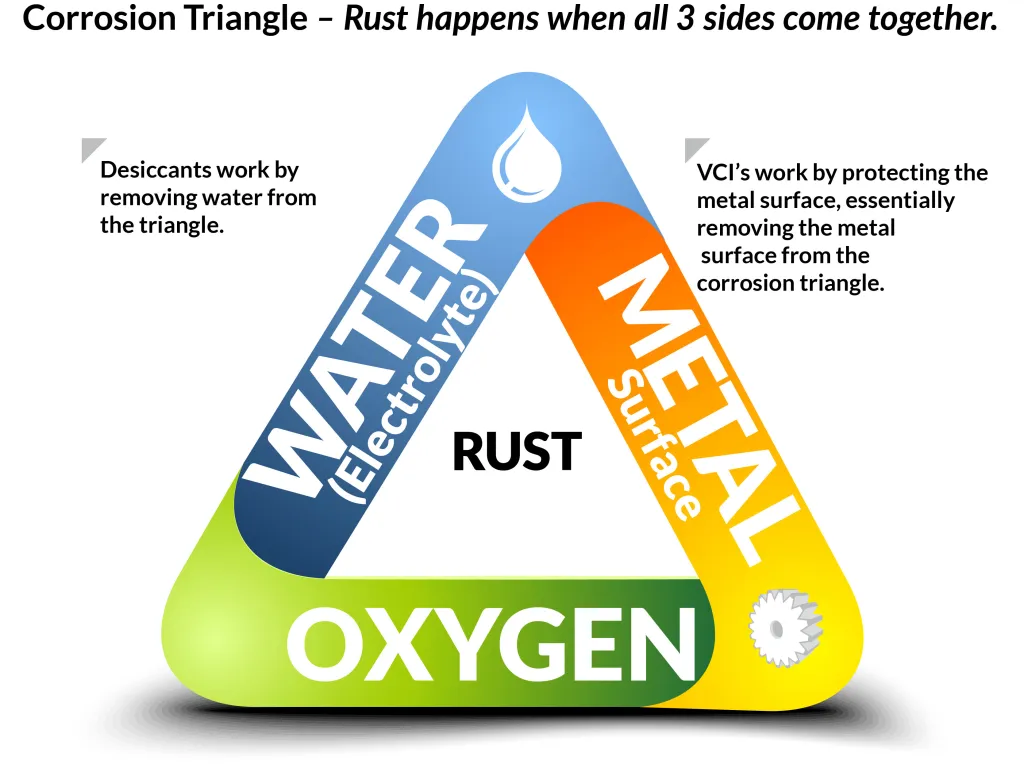
When evaluating VCI vs desiccants for corrosion protection, it’s important to understand the difference between VCI and desiccants, because moisture control and corrosion inhibition are not the same thing. While desiccants absorb humidity, Vapor Corrosion Inhibitors (VCI) actively protect metal surfaces inside sealed packaging. Furthermore, choosing the wrong method can lead to rust, warranty claims,
